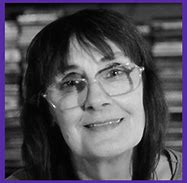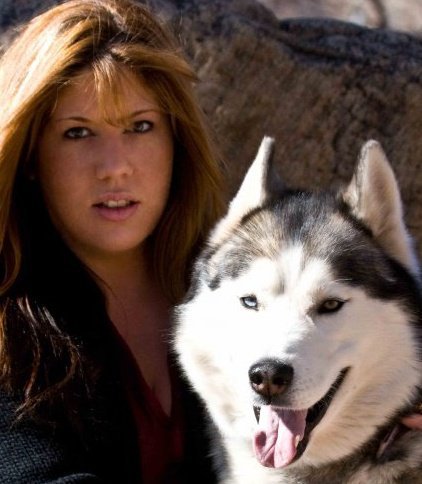
ELYSE DRAPER – WRITER, PUBLISHER, FORMATTING EDITOR – DECLARES “ART IS A MEAN OLD IMMORTAL BASTARD, VIRULENT WITH SHARPER TEETH THAN ANY CRITIC OR DISEASE” .. CREATORS DURING COVID-19: WHAT THEY’RE DOING AND WHAT WE CAN DO TO SUPPORT THEM

JAMES STRECKER: In what specific ways has COVID-19 changed your creative/artistic life in the arts?

ELYSE DRAPER: As a creative person, I spend most of my time in my head, where I can ride the waves of imagination back to dry land and coherent ideas. Most of us artistic types are a funky mix of extroverted introverts, showing our most vulnerable parts in our artwork for inspection by the general populous, while hiding under our respective blankets to avoid eye contact. We are already used to a certain amount of isolation… that isn’t to say that we don’t miss going out and socializing. For us, I believe the stir craziness isn’t as much of an issue when the means of escape can be found in a good book or pigment spread on canvas. All of this to say, the virus and resulting quarantine has not hampered the creative spirit; however, the houseful of fellow detainees, who are painfully exuberant with their stir craziness, are a bit of a distraction.

JS: How creative are you feeling with COVID-19 on your mind?

ED: My prominent form of creative expression is found in writing, in particular dark fiction and/or speculative fiction. The virus, for me, is more of an inspiration than an obstruction. Watching human nature play out in all of its brutal glory provides more subject matter than I know what to do with … the only ones finding a more compelling muse during this time are comedians and humorists.

JS: In what specific ways has COVID-19 changed your personal life?

ED: I have spent the last nine years attempting to understand the auto-immune disease that is presently, progressively, and quite painfully robbing me of my eyesight. In particular, I have spent the last six years on high doses of immunosuppressant medications, simply trying to slow the advancement of the disease. I have been dealing with a severely compromised immune system for long enough now that not much has changed from my personal perspective. Any highly communicable illness is a threat to my life; therefore, I have been aware of what precautions to take in order to try and stay healthy for quite some time. My family has been with me through this learning curve; and as a result, they take remarkable care of themselves. Knowing that they are healthy, and in turn keeping their friends healthy, removes virtually all fear. At a certain point, without fear or panic there is an acceptance of how fragile life is, but one cannot stop living; thus, one takes their safety measures and makes the appropriate concessions, while finding creative ways to grab life by the ear and drag it into submission.

It is important to remember that Sisyphus’s punishment of eternally pushing a boulder uphill, the crushing defeat of having physical freewill taken away, the hopelessness that follows … is a myth. As long as our minds are free, so is our will. The creative mind is particularly free during trying times such as this; whether inspired through fear or fascination, we are the fortunate ones.

JS: What are your primary worries, at this time, about the present situation in the arts because of COVID-19?

ED: I believe that there are three major facets to the arts, in economics and thus social importance in a capitalist society; and only one as far as its existential importance. Economically, there are the sponsors, the producers, and the consumers. Whereas existentially, art in all of its vast mediums is the manifestation of humanity’s creativity, the physical expression of the creatures of imagination and introspection … and thus holds mankind’s ability to not only understand the world around them and within them, but to tangibly tap into our universal subconscious connections, where we remember how to heal through the simple thought, “I am not alone.”

At times such as this, where the economy is in a downward spiral, the arts become a target (even more so than at times of prosperity) for those who do not appreciate its existential importance, and thus deem it non-essential. These are the shallow thinkers in positions of power and influence, cutting the fat, as it were … thus the sponsors and consumers follow suit to focus on fundamental survival needs- food, shelter, water (and apparently toilet paper.) Understandably, it can be a disheartening turn for the artistic producer, and anxiety for the existence of the arts becomes unavoidable.

However, we must remember that no matter who seemingly believes in the non-essential nature of the arts, it is an existential societal necessity, especially during hard times to serve as a reminder that we are in this together. The imaginative mind does not stop creating because it is told that the act is frivolous … much like a hawk does not stop gliding because it is told that only ‘real birds’ flap their wings. We are what we are; we do what we do whether we have an audience or not; and the arts themselves cannot be extinguished, while artists exist. Therefore, take heart – Art is a mean old immortal bastard, virulent with sharper teeth than any critic or disease.

JS: What are your primary worries about the future situation in the arts because of COVID-19?

ED: Economically, artists will have to become more inventive with their earning potential, and broaden their skill sets until there is a resurrection of the trade. We are imaginative folks, after all.

Throughout history, the arts’ popularity ebbs, and flows, but always resurfaces because of its fundamental importance to humanity’s collective psyche. The arts will survive. It survived the fall of the Library of Alexandria, Great Famine and Black Death, The Third Reich, and Kanye West … it will survive COVID-19 as well.

JS: What are you yourself doing to get through this time of crisis?

ED: I have become more inventive with my earning potential and broadened my skill set… I should probably add that I have been doing so over the past two years, going blind tends to make one become imaginative with their future earning potential. I own and operate a graphic design- branding and merchandising company that is also a graphic t-shirt internet boutique. Small businesses are being hit particularly hard with the quarantine; however, we are still stable-ish as an internet company, for now. Consumer spending is decreasing exponentially, and marketing has become secondary to keeping a businesses’ doors open – so, everyone is feeling the strain equally.

Through the pressure though, my partner and I realized that we could help to bolster our neighbors’ businesses rather than curse our circumstances. We have spent the last month of quarantine building two campaigns-

1.) Our boutique is selling two discounted shirts, at $15 each, 50% of each sale is being donated to #GetUsPPE to help our medical community stay safe.

1.) FEELING HELPLESS? WHAT YOU CAN DO DURING THE CORONAVIRUS CRISIS: A SMALL BUSINESS’S REMEDY DURING COVID-19 – PART ONE

2.) We created a stimulus marketing proposal to help our local foodservice businesses and their employees, and it also translates into helping other small businesses. We are offering merchandise at cost, apparel printing for free, and graphic design creations at an extreme discount. The hope is to help our local restaurants, bars and taverns, distilleries and breweries create a separate, affordable, merchandising platform to bring in another avenue of income. We are also opening up our internet boutique to promote their merchandise, with direct links back to their points of sale- websites and/or take out menus. In keeping our prices incredibly low, the sellers can also provide sale prices to their customers, thus addressing the decrease in consumer spending. This is a twofold plan, it helps with sales now, and maintains marketing (in wearable stylish billboards) after the quarantine restrictions have been lifted.

2.) BUSINESSES HELPING BUSINESSES, A STIMULUS PROPOSAL TO HELP OUR LOCAL FAVORITE HAUNTS A Small Business Response to the Covid 19 Crisis-Part Two

JS: What are other creative/artistic people you know doing to get through this time of crisis?

ED: We are creative/artistic inventive individuals … most of my friends and co-conspirators are recreating themselves to fit their needs.

JS: What are the saddest stories you’ve heard about creative/artistic people during this time of COVID-19?

ED: We are also intuitive emotional souls … there are too many stories of the anxiety, and foreboding, translating into self-deprecation, and a general feeling of inadequacy.

JS: What are the most encouraging or inspiring stories you’ve heard about creative/artistic people during this time of COVID-19?

ED: I believe that when we look at our creative intuitive friends, the most inspiring stories come from their overcoming their own anxieties, their own inadequacies, to embrace supporting one another and sharing compassion and humor. This is an overwhelming, and heartening trait within our community; we couldn’t ask for anything more encouraging than that.

JS: How can we support people in the arts during this difficult time?

ED: Never stop sponsoring, purchasing, and promoting your favorite artists. Inspire infectious conversations about how their pieces have stirred your soul or spoken to your subconscious in healing whispers. Allow the arts to continue to feed the seeds of imagination and insight.

JS: Finally, what specifically can we do to support your life and work in the arts?

ED: Find my work and pass on your impressions. Amazon Author Page. Tell your favorite small businesses about The Hall Closet Custom Shirtworks’ stimulus plan. Continue to support the arts in general, for it feeds us all.

Posted in Uncategorized | Tagged | Leave a comment

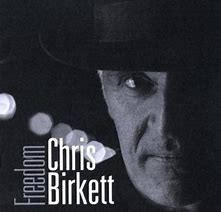
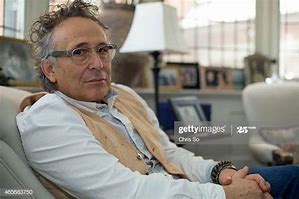
CHRIS BIRKETT: PRODUCER, ENGINEER, MUSICAN, SINGER-SONGWRITER, WHOSE COLLABORATIONS HAVE SOLD MORE THAN 100 MILLION RECORDS WORLD-WIDE EXPLAINS “I BELIEVE THAT ONCE SOMEONE FINDS OUT WHY THEY ARE HERE, AND PURSUES THIS WITH ALL THEIR PASSION, EVERYTHING FALLS INTO PLACE.” … A REVIEWER INTERVIEWS PEOPLE IN THE ARTS

JAMES STRECKER: Please tell us about one or more projects that you have been working on or have recently completed. Why exactly do they matter to you and why should they matter to

CHRIS BIRKETT: The album ‘Medicine Songs’ by Buffy Sainte-Marie that I co-produced recently has a song on it called ‘The War Racket’. This song is a powerful Wake Up message about the financial aspect of War and those who gain from it.

I’m currently recording a project with First Nation artist David Moses, who is a DJ on Toronto’s ELMNT 106.5 FM first nation radio station called The Spirit of Toronto. There’s a very important song that we just finished called ‘Mind Bender’. It’s about alcohol addiction in the First Nation culture. I believe this song has a message that everyone should hear.

JS: How did doing these projects change you as a person and as a creator?

CB: Working with Buffy Sainte Marie since 1992 has had a profound influence on my songwriting. Buffy taught me the difference between creativity and editing. The creative process is a gift from another place and will flow through if you let it. I always had a tendency to critic my lyric writing before I had finished what I wanted to say. This is the editor in me kicking in. Now I ignore the editor, that is, I don’t approve or disapprove what I’m doing until it’s done.

JS: What might others not understand or appreciate about the work you produce or do?

CB: Every project I choose to work on as a producer has to have a motive of expressing truth for the benefit of others. This also applies to all the songs I write. The Universal language of music can cut through boundaries of Race, Culture and Politics. This makes music a powerful force for change.

JS: What are the most important parts of yourself that you put into your work?

CB: My Heart, soul, talent and experience. I am blessed with being able to play a lot of different instruments. With todays reduced budgets I can help an artist realize their dreams without having to find fortunes to record. My 40 years + experience making records helps me to understand exactly what the artist wants.

JS: What are your biggest challenges as a creative person?

CB: Time is the biggest challenge for me. I have 3 albums written as an artist but they are waiting on the shelf as my main income is from record production. I love producing other artists, and I learn from them all the time, but my own music is very important to me. When I arrived here in Toronto in 2012, I promised myself that I would dedicate 50% of my time to recording and playing my own creations. Creativity is always flowing in me like a river, but there are dams and waterfalls in the way.

JS: Imagine that you are meeting two or three people, living or dead, whom you admire because of their work in your form of artistic expression. What would you say to them and what would they say to you?

CB: I look forward to meeting John Lennon when I leave this planet. He saw me on stage playing guitar for Ann Peebles back in the 70’s. I would ask him if he liked my playing, hopefully he would say yes

JS: Please describe at least one major turning point in your life that helped to make you who you are as a creative artist.

CB: I was a homeless musician living on the streets in London UK in the 70’s. Playing in Irish pubs was not bringing enough money to survive. I got a job as a night shift worker in a gas station in Peckham, South East London. One night at around 2am a guy came in and said “Are you Chris Birkett the guitar player?” I affirmed and he asked me to join his band that were leaving for an 18-month tour of Germany the next day. I accepted and everything changed from that point.

JS: What are the hardest things for an outsider to understand about your life as a person in the arts?

CB: Being an artist is being a risk taker. There is no guarantee that you will not be starving at some time. The lack of financial security that artists endure is hard for outsiders to understand. Some of the biggest artists I’ve worked with have never been in it for the money. Creativity is addictive and, when you have it, nothing else matters. When I co-produced Nothing Compares 2 U with Sinead O’Connor, we had no idea how big a hit we had made. I was at a Sinead concert in London to celebrate the success of the record and she said “If I had known this would be a hit, I never would have f..kin done it”.

JS: Please tell us what you haven’t attempted as yet that you would like to do in the arts? Why the delay so far?

CB: I have never written a musical before now. Top of my bucket list is a musical called The Age of Awakening. It’s about the current shift in thinking that is happening right now. The Corona Virus situation is a part of this shift. I have all the music written for this, but I haven’t managed to find the right script and finance to get it up and running.

JS: If you could re-live your life in the arts, how would you change it and why?

CB: I came from a very poor family and grew up in one of the worst parts of the greater London suburbs. If I had my time again, I would love to grow up in a family and situation that supported music. I had no training and no encouragement. I had to build my first guitar from scraps of wood found in the garbage when I was 8 years old.

JS: Let’s talk about the state of the arts in today’s society, including the forms in which you work. What specifically gives you hope and what specifically do you find depressing?

CB: The collapse of the music industry due to streaming technology has resulted in a huge drop in financial support for artists. Record labels don’t finance records any more. But every stick has two ends. The good thing about this is that no one is steering artistic expression, so artists are free to express their vision without an agenda imposed by music business executives, accountants and lawyers. I see this as healthy for the future of original music. It’s a brave new world and we have to find our way. I’m looking forward to playing and interacting with my musician friends when all this isolation is over. However, the extra time we all have can lead to some wonderful new creations.

JS: What exactly do you like about the work you create and/or do?

CB: As for songwriting, I don’t feel that I do anything. I am just a vehicle for creative energy looking for a way to materialize. So many times I have listened to what has come out and wonder where it came from. I’m full of gratitude for having this gift.

JS: In your creative life thus far, what have been the most helpful comments you have heard about your work?

CB: I enjoy constructive criticism as it helps me grow. Some criticism is destructive, but I ignore this if I feel the motive for it is a negative one.

JS: Finally, what do you yourself find to be the most intriguing and/or surprising things about you?

CB: I am surprised and grateful that the spark in me called music has saved my life many times. During my travels around the world in countries like India and Africa, I have had some major psychological break throughs resulting in my realizing why I’m here. I believe that once someone finds out why they are here, and pursues this with all their passion, everything falls into place.

Posted in Uncategorized | Leave a comment

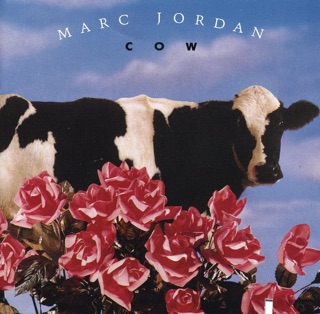
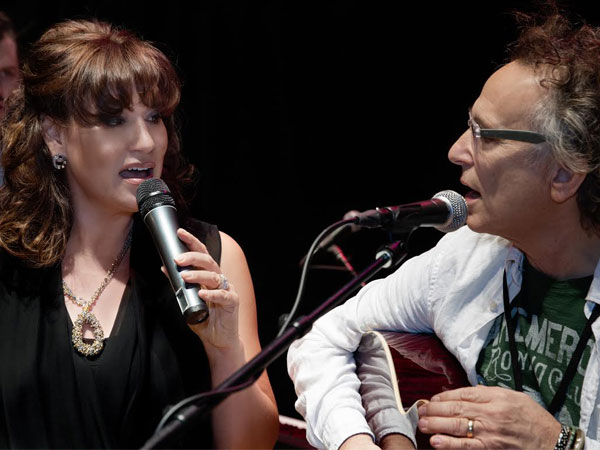
MARC JORDAN: SINGER, SONGWRITER, PRODUCER, MUSICIAN DECLARES “ARTISTS MUST BE ABLE TO MAKE A LIVING, OTHERWISE THE VARIOUS ART FORMS WILL BE COMPROMISED. THE ROYALTY RATE ON STREAMING MUST INCREASE DRAMATICALLY AND NOT GO MOSTLY TO RECORD COMPANIES” …. JAMES STRECKER REVIEWS THE ARTS

JAMES STRECKER: Please tell us about one or more projects that you have been working on or have recently completed. Why exactly do they matter to you and why should they matter:

MARC JORDAN: I finished my first orchestral CD last year with the Prague Symphony arranged by Lou Pomanti and it was very meaning full to me in that I did mostly cover songs for the 1st time ever, songs that I’ve loved and admired – everything from Hoagy Carmichael to Lou Reed. To feel the orchestra around those songs was special. It was a tip of the hat to my dad Charles Jordan who was a classical singer, but sang with orchestras and big bands in the 1930s and 40s. It was very meaningful for me in that way and I think it is important to do what you love because others will love it too. We are more alike than different.

JS: How did doing these projects change you as a person and as a creator?

MJ: You have to learn to sing to an orchestra. The singer conducts with his or her voice when doing a project like this.

JS: What might others not understand or appreciate about the work you produce or do?

MJ: I am very Dyslexic and never got a proper musical education. What I have done all my life is from an instinct for what works. Sometimes a handicap is a blessing in disguise. I never do what it perhaps technically right, rather, it’s how it makes me feel. Music for me has to be visceral to make sense to me.

JS: What are the most important parts of yourself that you put into your work?

MJ: I work all the time and I never let go till I feel the song is really right. I also use my voice a bit like a band instrument. I improvise a great deal around the chords much like a horn player would. There is no difference between my work and my life – my life is my work and my work is my life. I would not change a thing. Music has given me my life in the arts. I am grateful and I continue to be able to work, and do concert work which I have grown to appreciate in ways that I never thought possible.

JS: Imagine that you are meeting two or three people, living or dead, whom you admire because of their work in your form of artistic expression. What would you say to them and what would they say to you?

MJ: Ravel. Without Ravel, maybe there is no Bill Evans or Duke Ellington or Quincy Jones.

JS: Please describe at least one major turning point in your life that helped to make you who you are as a creative artist.

MJ: When I got my first US record deal, I was thrust suddenly into the studio with the likes of TOTO drummer Jeff Porcaro, and musicians like Donald Fagen, Tom Scott, Steve Lukather, Larry Carleton, David Foster, and on and on. It was an intense boot camp for me, but it changed my life forever.

JS: Please tell us what you haven’t attempted as yet that you would like to do in the arts? Why the delay so far?

MJ: I am working on a duet project with my wife Amy Sky. We’re not sure why we waited so long, but it will be done this year.

JS: Let’s talk about the state of the arts in today’s society, including the forms in which you work. What specifically gives you hope and what specifically do you find depressing?

MJ: I think people have to get their heads around the fact that music is not free. Artists must be able to make a living, otherwise the various art forms will be compromised. The royalty rate on streaming must increase dramatically and not go mostly to record companies.

Posted in Uncategorized | Tagged | Leave a comment

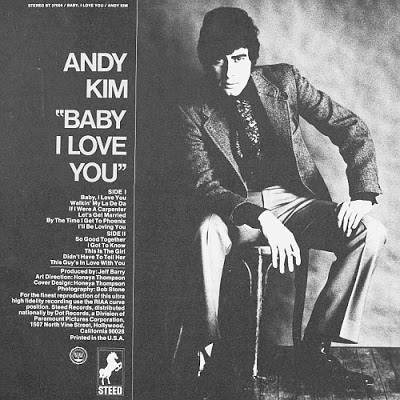
ANDY KIM – SINGER, SONGWRITER – CREATORS DURING COVID-19: WHAT THEY’RE DOING AND WHAT WE CAN DO TO SUPPORT THEM

JAMES STRECKER: In what specific ways has COVID-19 changed your creative life in the arts?

ANDY KIM: It has not changed at all. I’ve lived a life filled with the best of blessings and the hardest pain of loss. Understanding that you break even in the end. Live your life to the fullest. Enjoy the win and celebrate the loss. Artists have to understand they have been given the gift, and nothing and no one can steal that away.

JS: How creative are you feeling with COVID-19 on your mind?

AK: I’m observing more than creating. The laws of your mind are directed by what you expect. I don’t expect anything from my art. I am only thankful when it arrives.

JS: What are your primary worries, at this time, about the present situation in the arts because of COVID-19?

AK: I’m concerned the arts have assumed that this virus will defeat and win. It will not. With so many shows being cancelled or postponed the artists’ way of life is on hold. It’s not gone. The money will return a hundred-fold if you are wise and patient. All I know is that those who have the passion to create understand, that all this, is helping them store their subconscious with songs that will blow them away. Sculptors and painters and dancers know what it takes to achieve excellence. I’m not worried for the Arts or Artists. They were here before the COVID-19 and they will be here long after you or I.

Posted in Uncategorized | Tagged | Leave a comment

DVDS AND DVD SETS FOR THE COVID-19 ERA INDOORS – PERSONAL RECOMMENDATIONS

1) NATIVE AMERICA: FIRST PEOPLE, ANCIENT CIVILIZATIONS, ENDURING CULTURES does indeed explore “some of the most advanced cultures in human history and the Native American people who created them.” It does indeed feature “sacred rituals filmed for the first time, history-changing scientific discoveries, and rarely heard voices from the living legacy of Native American culture.” It does indeed, through breathtaking and haunting visuals, give many insights into “peoples who are deeply connected to earth, sky, water, and all living things.” In all, this four-part series is a profoundly moving, heartbreaking (think systematic and cruel Christian genocide of Native Americans), firmly spiritual and heart-opening experience of ways of life rooted in both the earth and the universe. I remember a trip of many years ago to New Mexico’s Chaco Canyon that moved me deeply, and this unforgettable series reconnects me to that life-altering experience.
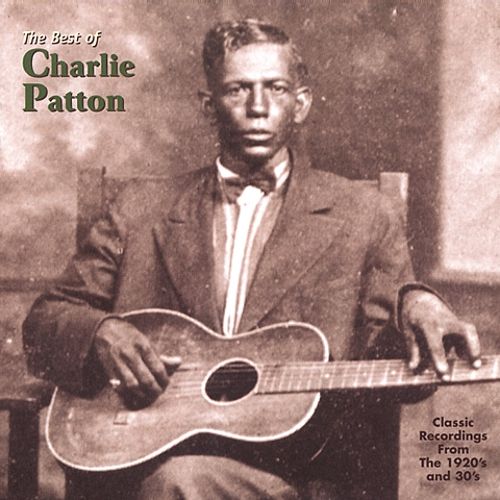
2) RUMBLE: THE INDIANS WHO ROCKED THE WORLD is another eye, ear and heart opener that explores “the profound and overlooked influence of Indigenous people on popular American music.” We begin with Link Wray whose instrumental “Rumble” haunted our CHUM charts and airwaves in the fifties with an almost otherworldly effect. “Can our guitars do that?” we used to ask. And what about Charley Patton, an influence acknowledged by many other blues greats like Howlin’ Wolf, whose blues are as much native chanting as 12-bar format. Ask Tony Bennett about native rooted and influenced Mildred Bailey who gave us the goods on reshaping a melodic line in jazz. Yes, Jimi Hendrix, Robbie Robertson, and Jesse Ed Davis, all known for distinctive rock rhythms and riffs have personal and musical roots in Native music. I remember the first time I met Buffy Sainte-Marie at Hamilton’s Happy Medium Coffee House where she sang me a new song by a then unknown Bob Dylan and then on stage performed in a vibrato-ish chanted style that has since then been one of the distinctive voices in folk music.
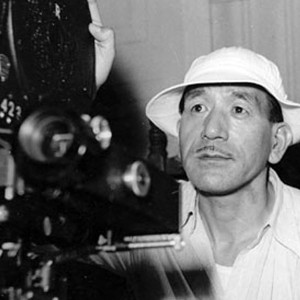
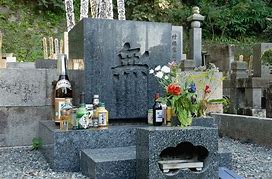
3) I’ve viewed Mark Cousins’ fifteen episode THE STORY OF FILM: AN ODYSSEY maybe five times over these past years, for several reasons. Cousins, a director-producer-critic, speaks with a gentle yet passionate authoritative voice that compels the viewer to submit willingly to his selective insights and to savour all that touches him, as a film-maker and a lover of film, as he covers an enormous chronological and geographic span in his look at our world’s cinema. Surprises abound too. I once interviewed the influential Algerian novelist, translator, filmmaker, and frequent Nobel Prize contender Assia Djebar, and, though her feminist staunchly anti-patriarchy books were available, I never imagined that I would see anything of her film-making – but Cousins here includes a sequence. If one episode is titled The 1930s: The Great American Movie Genres and the Brilliance of European Film, another is titled 1953-1967 The Swollen Story: World Cinema Bursting at the Seams, and each has intriguing examples, some expected and some unknown. A splendid education in, and experience of, film. And I even got to visit the grave of director Yasujiro Ozu, with the sole marking on it, in Japanese, meaning Nothingness. But then, Ozu always saw universal dimensions in his depictions of daily Japanese life.
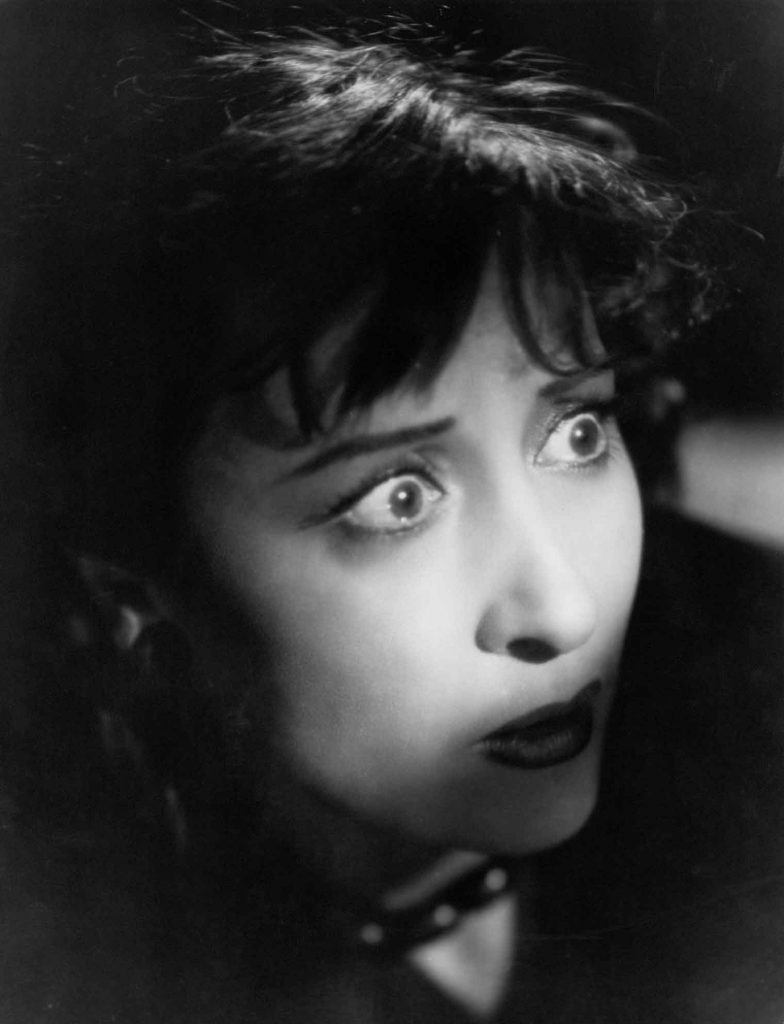
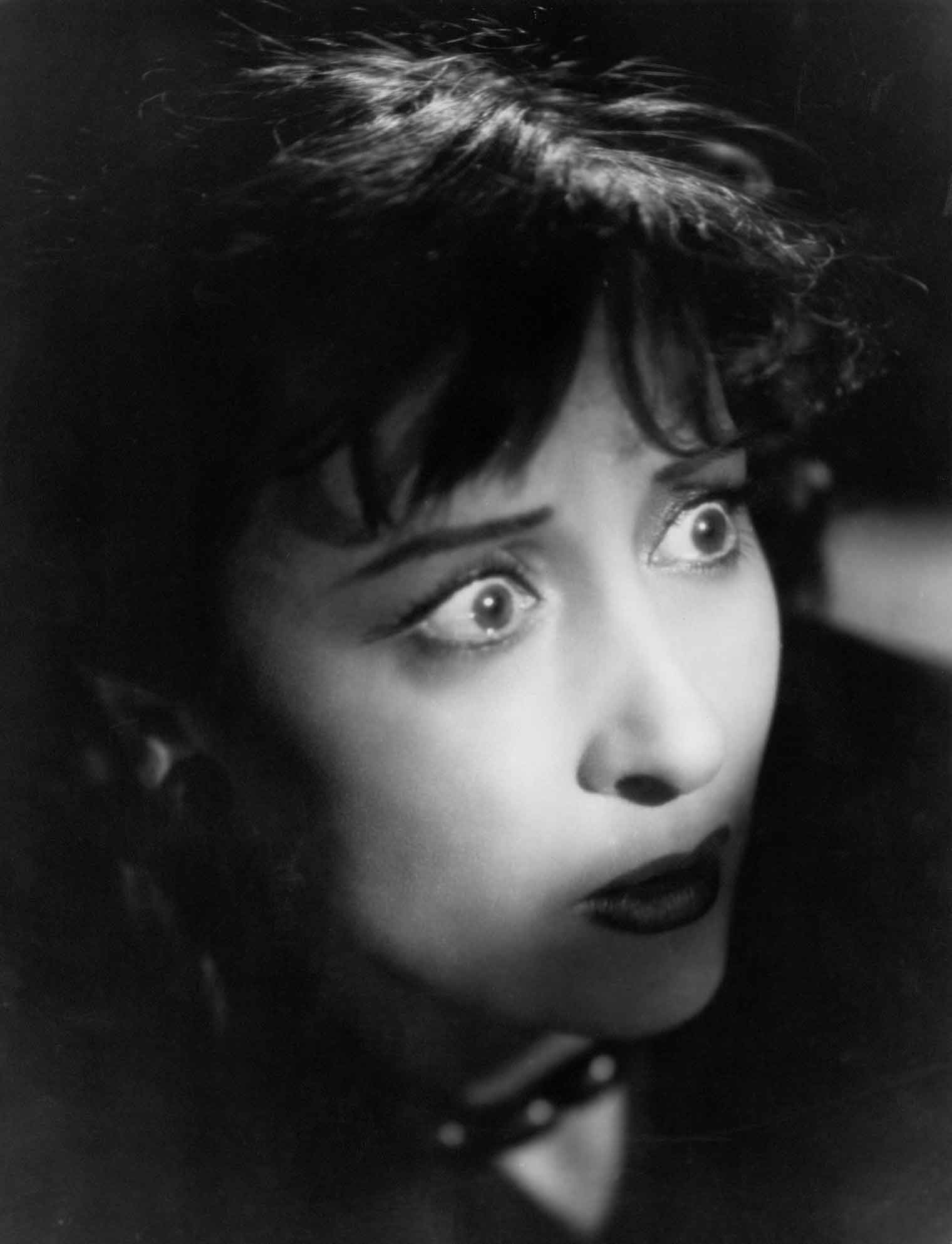
Ossessione (1942 Italy)
Directed by Luchino Visconti
Shown: Clara Calamai
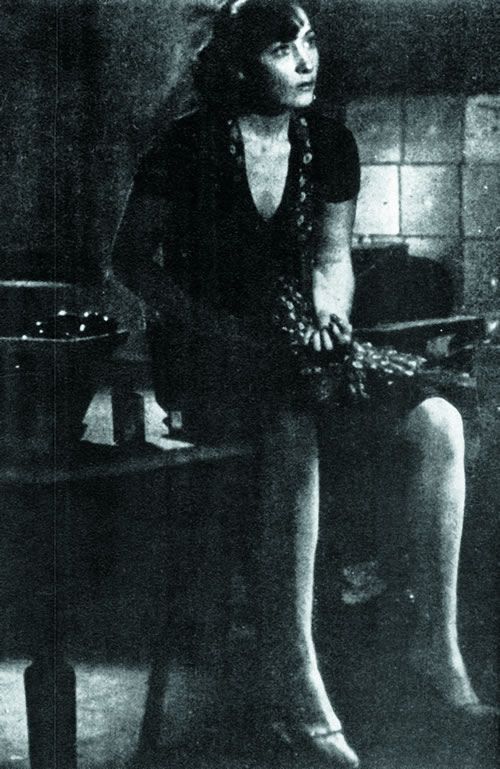
4) Many years ago, in recorded time, I used to watch a series on TV titled Il Mio Viaggio in Italia which, unfortunately lacked subtitles to help one follow the dialogue of many examples of often Italian neorealism films. Fortunately, the film-maker and host was Martin Scorcese who used to see such films as a child on TV in New York and who developed a palpable passion one could feel while listening to his narrations and discussions. The DVD version, now with subtitles, is titled MY VOYAGE TO ITALY: A LOOK AT THE MOVIES THAT INFLUENCED A FILMMAKER’S PASSION We begin with Visconti and Rossellini and, because Scorcese like Mark Cousins has both a film-maker’s sensibility and eye, each director considered becomes something of a new experience for us. I own a number of these films and want to see them again, but now in new light, although Scorcese’s examples might be lengthy enough for some. We do move on to Antonioni (I’m coming, Monica Vitti) and Fellini. Scorsese gives useful background to the directors and evaluates the many films on aesthetic, political, personal, and sociological grounds. The actual footage incorporated into the films -say, Nazi soldiers in Open City or the actual execution of collaborators with the Nazis – are brief but very disturbing.

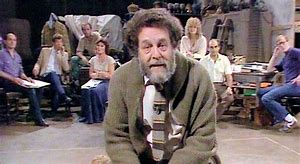
5) I was once fortunate enough to interview theatre director and scholar John Barton at his roomy flat in London and, because the man’s curiosity for truth and accuracy were unending, our meeting scheduled for one hour became three. John would pull book after book down to determine the etymological routes of a word in question and I was thrilled to briefly piggyback his enthusiasm. Such is the same experience in watching his PLAYING SHAKESPEARE, a nine-episode series of master-classes from 1984 which allow the viewer to explore Shakespeare’s lines for hidden clues to character motivation, watch actors trying to balance intellect and passion, and hear famous scenes afresh through the subtlest of shadings spoken in even one sentence. On this occasion, one’s master-classmates include Judi Dench, Ben Kingsley, Peggy Ashcroft, Ian McKellen, Patrick Stewart, David Suchet, Alan Howard, and a number of inspiring others. And yes, I have watched this series a number of times and, on each occasion, felt myself privileged to share the explorations and performances of some of the world’s most accomplished actors
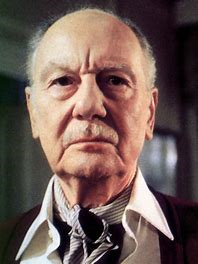
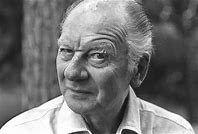
6) SIX CENTURIES OF VERSE: POETRY’S GREATEST HITS BROUGHT TO LIFE, also from 1984, is another excellent series whose repeated viewings guarantee new insights and pleasures each time. Hosted by John Gielgud, who on occasion also does a poem for himself, the company of readers includes Anthony Hopkins, Ralph Richardson, Lee Remick, Peggy Ashcroft, Stacy Keach, Ian Richardson, and Julian Glover. It is interesting to note in which poetry a specific reader excels in recitation and where (but not often) they do not, so to speak, blend with the verse, as you might expect of an actor. The sixteen episodes begin Old English and Beowulf, proceed through Chaucer, then the medievals and Elizabethans right up to, on Episode 15, Yeats, Owen, Frost, Eliot, Auden and on Episode 16 Thomas, Lowell, Larkin, and Hughes. It’s also a pleasure to reconnect here and there with a poem that resonated with one’s younger years and how the same poem rings true in newer, perhaps, deeper ways when one is not as young. One personal favorite is Cyril Cusack reading – and living, it seems – the words of Yeats.
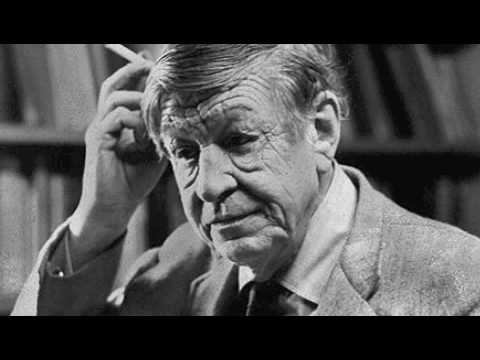
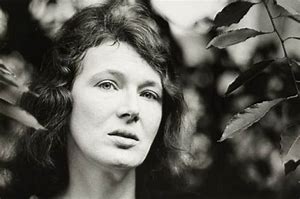
7) IN THEIR OWN WORDS: BBC INTERVIEWS WITH GREAT NOVELISTS AND THINKERS satisfies, in rare films and recordings, an inevitable curiosity of every reader to know what a given author looked and sounded like. This six-part series begins with three programs of novelists, first from 1919 -1939 – E. M. Forster, Virginia Woolf (only audio), P, G. Wodehouse, Aldous Huxley, George Orwell (no audio, though he was at the B.B.C. for two years), Grahame Greene, and Jean Rhys who, being underappreciated disappeared into a small bungalow in Devon for many years. Second, Tolkien, Ian Fleming, John LeCarre, John Wyndham, Anthony Burgess, Doris Lessing, and Margaret Drabble (whose The Radiant Way was once a flight to London reading for me). The third disc includes Ian McEwen, Martin Amis, Angela Carter (whose Wise Children was once a flight back to Toronto reading), and Salman Rushdie. The three THINKERS discs include, on one, Freud, Jung, Mead, Goodall, Dawkins, B. F. Skinner, and R. D. Laing who once occupied the urinal next to mine before his talk at U. of T. – we had a very brief conversation. Two includes Bertrand Russell and cohort in straw hat J M. Keynes, Herbert Marcuse, and Germaine Greer. The last disc is titled Culture Wars with F.R. Leavis, Raymond Williams, Susan Sontag, Kenneth Clarke and Marshall McLuhan whose interview “was not transmitted because it was too bizarre.” One should say, contradicting the commentary, that Marshall did not have “trouble communicating his ideas”, but that the patronizing Brits who found him “unscholarly” actually didn’t “get” him because what he was saying undermined their comfortable yet mired intellectual status quo.
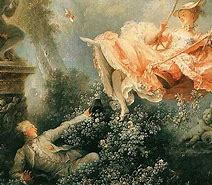
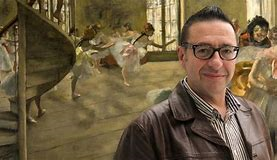
8) If it’s Art you wish to explore, meet Waldemar Januszczak who has been twice honoured as Critic of the year in the U.K. and here presents not one but six different series. The joy of each one is that, over and over, the viewer, through the host’s physically energetic, thoroughly informed, and compellingly passionate accounts, gains fresh and exciting insights into masterpieces and eras that are too often spoken of in academic monotones and drained of their immediacy. With Waldemar, however, you have to walk fast to keep up with him as, at many a turn, you’ll find yourself saying “I didn’t know that” or, better, “I didn’t feel that before now.” You can “Explore the secrets behind some of the world’s most famous paintings” in EVERY PICRURE TELLS A STORY,” reconsider what you thought you knew with THE IMPRESSIONISTS, get “THE FULL STORY” with “GAUGIN” (this one turned my attitudes around, always a good thing). You can also do the fascinating comparison of WALTER SICKERT VS JOHN SINGER SARGENT, “find beauty and refinement where one might have expected only brutality and destruction” in THE DARK AGES: AN AGE OF LIGHT, and try UNDERSTANDING ART: BAROQUE AND ROCOCO as you whirlpool with your guide when, as usual, he implants his examples and ideas in your psyche and knows you will change with them.
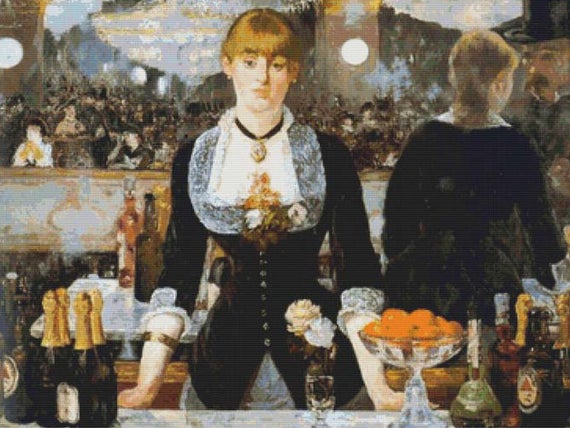
9) In GREAT ARTISTS host Tim Marlow offers many of the same benefits as our friend above but, rather than Januszczak’s “life is short, I’m a bit overweight, I have to live it all” manner, Marlow’s is peacefully engaging, sharply insightful, firmly but quietly enthusiastic, easy in style, and accessible in language as he sets up space for our profound experience and unforced reflection. We go on GREAT ARTISTS from Giotto, Leonardo, Durer, Michelangelo, Titian and Bruegel, on disc one, to El Greco, Rubens, Velazquez, Rembrandt, Vermeer, Turner and Van Gogh on disc two. The series is shot on location “in over fifty museums, churches, and palaces throughout Europe and the United State. Marlow’s other gem of a set, THE COURTAULD, explores the renowned collection of “one of the finest small museums in the world.” We see Manet’s A Bar at the Folies-Bergère, Van Gogh’s Self Portrait with Bandaged Ear, plus much else unknown or not as well known, plus a “look behind the scenes at The Courtauld’s conservation department. I love this gallery and am grateful for Marlow’s tour of it. Memorable experience here. You get to live inside paintings with your guide.
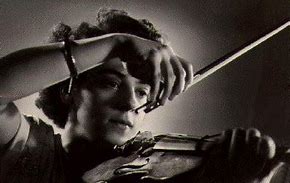
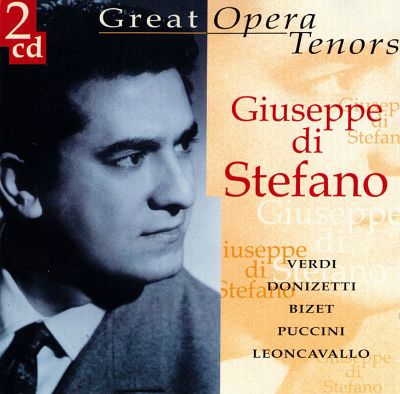
10) THE ART OF CONDUCTING: GREAT CONDUCTORS OF THE PAST and The ART OF CONDUCTING: LEGENDARY CONDUCTORS OF A GOLDEN ERA include, in the former, samplings of Barbirolli, Busch, Furtwangler, Karajan, Klemperer, Weingartner, Walter, Toscanini, Beecham, Reiner, Szell, Richard Strauss, even Nikisch, while the later offers, for example, Mravinsky, Erich Kleiber, Munch, Scherchen, Celibidache, Mengelberg, and Furtwangler again. Generous samples of film footage may be of rehearsal or live performance, and commentaries feature so many, like Menuhin, John Eliot Gardner, Stokowski, Isaac Stern, Karajan, Barenboim, and Schwartzkopf. These are masters speaking of their personal experience of masters and one doesn’t get a much better musical education anywhere. Next, we have THE ART OF VIOLIN: THE DEVIL’S INSTRUMENT TRANSCENDING THE VIOLIN with a mind-blowing roster that includes in part Enescu, Neveu, Grumiaux, Heifetz, Kreisler, Menuhin, Milstein, Oistrakh, Stern, Ricci, and Milstein, with constant opportunity for comparison, pleasure, revelation, and thrills. On THE ART OF THE PIANO: GREAT PIANISTS OF THE 20TH CENTURY, the usual suspects have been rounded up and they include, in performance, Arrau, Cortot, Edwin Fischer, Gilels, Gould, Hess, Hofmann, Horowitz, Rubinstein, Richter, and Rachmaninoff. Included are commentaries by Kovacevich, Kissin, Barenboim, and Sir Colin Davis, to name but a few. Finally, on THE ART OF SINGING: GOLDEN VOICES OF THE CENTURY offers yet another irreplaceable goldmine of unforgettable vocal brilliance from Caruso to Callas and much other greatness in between. Included are Martinelli, Gigli, Schipa, Ponselle, Tauber, Chaliapin, Flagsted, Melchior, Tebaldi, Bjorling, Sutherland, Christoff, Vickers, and, wait, I must not leave out a favorite, di Stefano. Memorable is the going word on this set, as it is on all the others, and I cannot recommend each title enough.
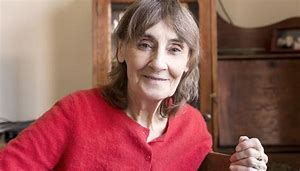
Posted in Uncategorized | Leave a comment

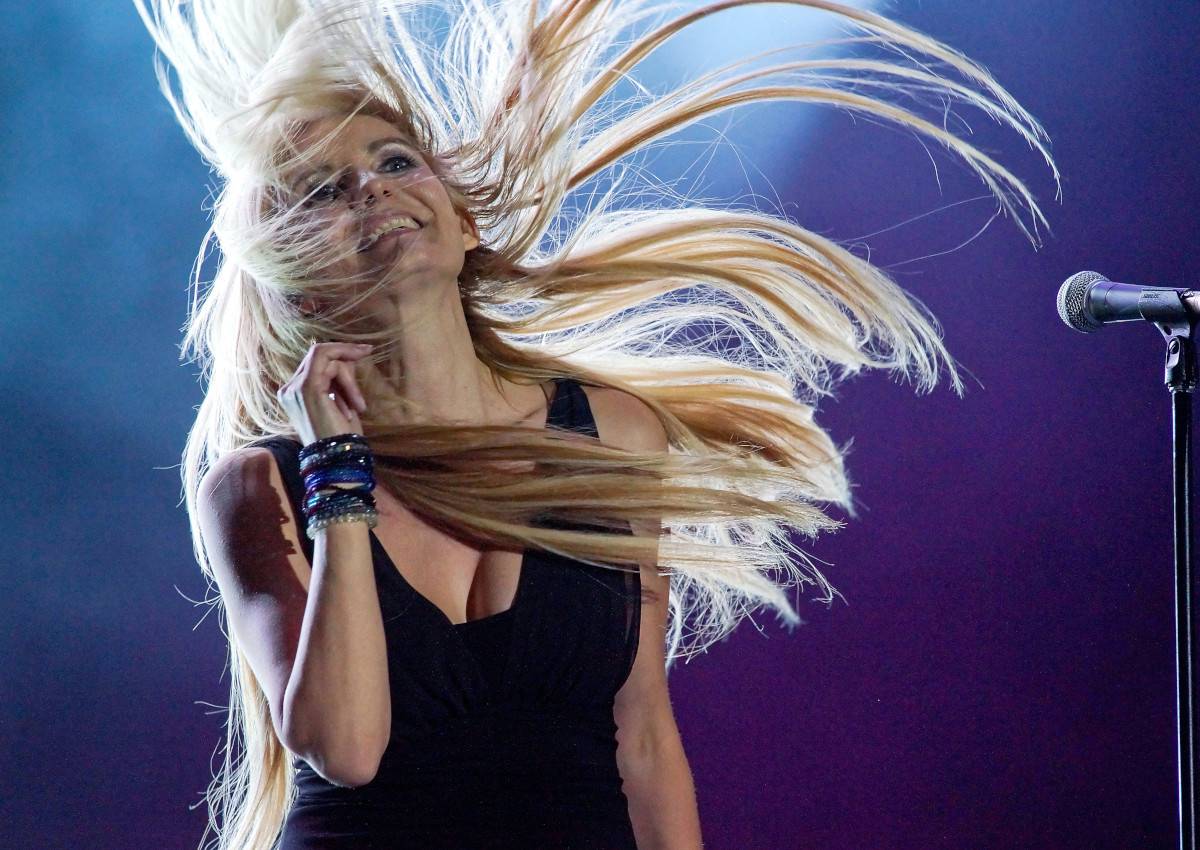
SASS JORDAN, SINGER-SONGWRITER – CREATORS DURING COVID-19: WHAT THEY’RE DOING AND WHAT WE CAN DO TO SUPPORT THEM

JAMES STRECKER: In what specific ways has COVID-19 changed your creative life in the arts?
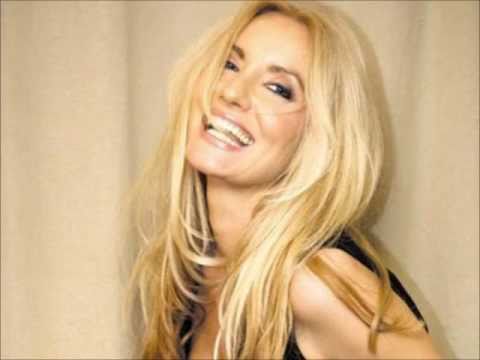
SASS JORDAN: It completely stopped all live performance and touring, and even being able to get together with my band for streaming performances. Anything I want to do with regards to recording new stuff with my band etc. has to be postponed, of course.

JS: How creative are you feeling with COVID-19 on your mind?

SJ: First of all, I try to keep it off my mind! I find that if I don’t focus on scary things, I do a lot better in general. I feel very creative, because nature is reminding me that everything comes and goes – right now, nature is getting ready to bring in a new generation!

JS: In what specific ways has COVID-19 changed your personal life?

SJ: No physical contact with friends and extended family, not being able to just walk into the grocery store or ANY store, for that matter – and also seeing how vulnerable everyone is to polarizing opinions.

JS: What are your primary worries, at this time, about the present situation in the arts because of COVID-19?

SJ: I would say that the worries are the same as they are for anyone in any type of business that depends on working with groups of people and the public in general. It is threatening a lot of people’s livelihoods, because it is not just about the artists, but all the people who facilitate what we do, which is a huge and varied group.

JS: What are your primary worries about the future situation in the arts because of COVID-19?

SJ: I make a practice of not worrying, as it doesn’t help anything or anyone. I look forward to the future, as I always do, and all I can do is trust that we will be able to weather this crisis as a community, each of us helping the other to the extent that we are able.

JS: What are you yourself doing to get through this time of crisis?
SJ: Working on being the best that I can be, my crafts, listening to a lot of music, doing a lot of research on all the things that I don’t normally have time to do, cooking, and keeping in touch with friends and family through technology.

JS: What are other creative people you know doing to get through this time of crisis?

SJ: I would say much of the same that I mentioned above! I think everyone is doing the best that they can, and focusing on the merits of inner freedom.

JS: What are the saddest stories you’ve heard about creative people during this time of COVID-19?

SJ: I’m not hearing a lot of sad stories – I’m hearing far more stories of people getting to know themselves at a deeper level, which I think is a wonderful thing for people seeking to express themselves creatively.

JS: What are the most encouraging or inspiring stories you’ve heard about creative people during this time of COVID-19?

SJ: I love how people find so many creative and interesting ways to connect – a lot of it is through social media platforms, which are a double-edged sword, of course, but I like to focus on the positive side of them!

JS: How can we support people in the arts during this difficult time?

SJ: By buying whatever products they are offering if it’s something that you appreciate!

JS: Finally, what specifically can we do to support your life and work in the arts?

SJ: I would say that the answer to the above question is the same answer here! Telling your friends, telling your followers about us – enjoying what we offer and taking care of each other in any way you can!

Posted in Uncategorized | Tagged | Leave a comment

BIF NAKED, SINGER-SONGWRITER – CREATORS DURING COVID-19: WHAT THEY’RE DOING AND WHAT WE CAN DO TO SUPPORT THEM

JAMES STRECKER: In what specific ways has COVID-19 changed your creative life in the arts?
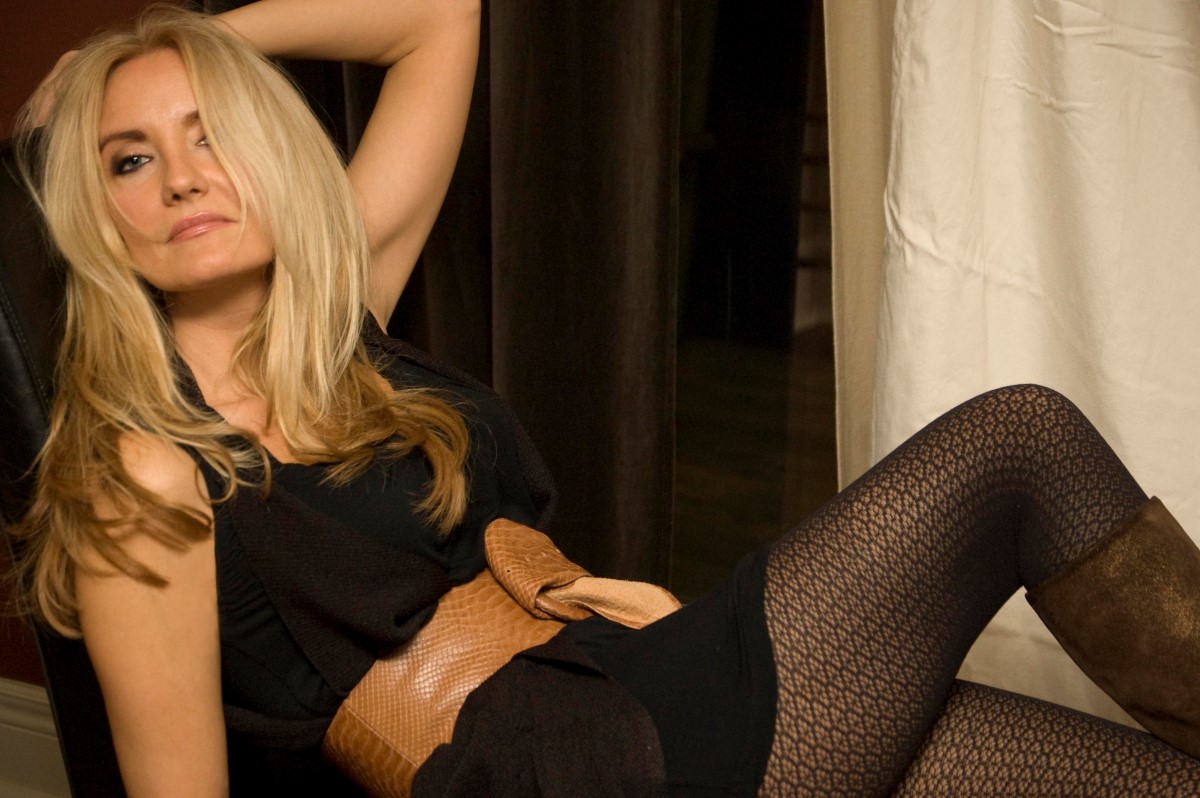
BIF NAKED: COVID-19 has impacted everyone I know, and has been particularly awful for all of us in the performing arts. It has removed our ability to make any appearances, and this is obviously disappointing. Performing is my greatest joy and the favourite part of my job, but of course, that’s what’s absolutely necessary to keep our country alive, really. Other than physical appearances, we are always writing and working on writing or recording at home, anyway, so that has been very much the same as ever.

JS: How creative are you feeling with COVID-19 on your mind?

BN: COVID -19 actually permeates our every deliberation, whether we think it does or not, and I find it has been making marbles of my brains. My poetry and ongoing lyric modifications (for our new record and other recordings we are doing) have a darker feel, and I think even my artwork (painting and other visual arts) are starting to feel sombre. I am generally an extremely optimistic and effusive person, so I am discovering these little dark emotions are creeping up, out of nowhere, and peppering my work. I think this Year will be a remarkable one in art history all over the world.

JS: In what specific ways has COVID-19 changed your personal life?

BN: COVID-19 has changed my personal life as far as my regular work week, and the habits of seeing my manager and his family a few times a week. He has been my manager since I was 22 years old and he and his family have been my family for so long, that it is very difficult not spending time with them. As far as my own, personal home life goes, my fella (Snake Allen, my guitar player) is a notoriously shy introvert, so we rarely venture out and always eat at home (rumour has it he married me for my cooking). Our day-to-day home lifestyle has not changed as we are always at home, staying in every night, when we are not on tour.

JS: What are your primary worries, at this time, about the present situation in the arts because of COVID-19?

BN: My primary worries for the arts in general, is really my feelings for, and worrying about, other artists. I am sure there are still many artists whom have never worked “normal” jobs in the workforce, have never been faced with any financial uncertainty before, and have no other training (or interests!) This is a very daunting fact! I do know a lot of writers who have only their writing income to support themselves, and painters who rely on galleries. But performing musicians, I feel will be particularly vulnerable as they generally are paid to physically be somewhere to perform. Whatever will we do if we are unable to actually be in a venue? I don’t know what will become of us all. :

JS: What are your primary worries about the future situation in the arts because of COVID-19?

BN: The future is unwritten, of course, and still unfolding. On one hand, technology will benefit the arts as people will have grown accustomed to trying a deeper “online” hustle (through being more active on their social medias, or pushing fans to purchase merchandise online). Many artists have already taken to ‘online performing” which is very lovely and certainly entertains their fans whilst everyone is staying at home, but it probably will not help any of the rest of us have much of a future, as it removes the independent artists’ ability to make a living doing this type of thing, moving forward. It is hard to know what to do. The future is terribly exciting on the other hand, if we do actually defeat the spread of this pandemic and slowly begin to reclaim life and work. People will feel elated to be healthy and hopefully, may feel like celebrating with their favourite artists who will hopefully resume touring and performing.

JS: What are you yourself doing to get through this time of crisis?

BN: During this time of crisis, I am in the middle of a few things that were already underway: I’m working on a book about cancer that has been my work for three years now. It is very specific in its content and message and I am writing it for newly diagnosed patients, their families, and caregivers. I am also working toward final mixing approvals for our CHAMPION record that is coming out end-of-summer/early-fall. I also have my first book of poetry (called Razorblade Chewing Gum) being finalized, and am working on my first audiobook. I always have something on the go.

JS: What are other creative people you know doing to get through this time of crisis?

BN: Many of my friends are doing online versions of their appearance work, or creating new ways to showcase what they are creatively working on. That is really remarkable and for many of my arts friends, this time of self-isolation has actually pushed them to learn more about all manner of online media and mediums. I also know a few friends who have had to create new content all the time, for themselves, and that may have been something that they were avoiding or didn’t want to do previously. I think times of crisis and adversity tend to push our limits, creatively, and push our buttons, emotionally (which forces us creative kids to, well, create more as a cathartic way of dealing with fears or stressors.) I have a feeling there will be a million records coming out next year that are called “Quarantine” or “Isolation” or whatever. I think the creativity has really started to flow for the world, not just for artists.

JS: What are the saddest stories you’ve heard about creative people during this time of COVID-19?

BN: I guess the saddest stories are still being told, and still coming out. Many artists are losing their only incomes: appearances. This is almost like the last nail in the coffin for many of us because we were already fighting to eat/pay rent/feed families in an era of “music streaming” and it was already kind of tricky. I know a lot of artists who will just hang up the towel, now. Not because they want to, or because they feel so defeated…but because they need to feed their kids or pay off their pro tools subscriptions or have rehearsal space rents. I mean, whatever will artists do? It’s sheer romance to envision the “starving artists” that live on baguettes and wine. In reality, it’s just not that glamourous at all.

JS: What are the most encouraging or inspiring stories you’ve heard about creative people during this time of COVID-19?

BN: The most inspiring stories are the ones that are still unfolding. The artists that are blossoming and experiencing a metamorphosis, through this. They are channelling their stress and fears into creating masterful works of art, in music, writing, and photography, in painting, graphic novels, cartoons, and film. Adversity and crisis have always been a catalyst for creating, and this era we are in will certainly prove no different. There are always people who never ever give up and fearlessly keep going, no matter what life hands them. We all need those people because they are our beacons of light, our glimmers of hope, and our heroes. We look up to people who inspire us to keep going, and I believe with all my heart that there are always more of these types of people than there are quitters.

JS: How can we support people in the arts during this difficult time?

BN: The easiest way to support artists is also the fastest: just buy their art. Just go online and buy their books, purchase their glicée prints, buy their stickers, vinyl records and tee shirts, support their social media campaigns and buy their music from their websites, or itunes, or wherever you buy it, not only from streaming. We can support artists by SUPPORTING ARTISTS. And, of course, once we are eventually able to, support them by attending their concerts, gallery shows, and book readings. GO SEE THEM.

JS: Finally, what specifically can we do to support your life and work in the arts?

BN: To support me, I would say GO ADOPT A SHELTER PET first and foremost. Or, There are three animal charities on my website: SAINTS Rescue (which rescues special needs and end-of-life animals) and Muffin’s Halo (which provides mobility aids to blind dogs) and Vintage Pet Rescue (which is a senior dog retirement home and hospice)
You can also support me by supporting your local palliative care volunteers and their organizations. I hope you will support Journey Home Hospice (Toronto’s only hospice supporting end-of-life or terminal patients who are homeless).

Lastly, you can support me by following my work, checking out my repertoire and memoir, and coming to a show! I was lucky enough to have performed at Aeolian Hall Performing arts Centre, this past March, with my “Songs and Stories tour” and it was a magical night made utterly perfect by typically beautiful London audience. I can’t wait to come back! My website is www.bifnaked.com

Posted in Uncategorized | Tagged , , , , | Leave a comment

NATHAN HILTZ, GUITARIST – CREATORS DURING COVID-19: WHAT THEY’RE DOING AND WHAT WE CAN DO TO SUPPORT THEM

JAMES STRECKER: In what specific ways has COVID-19 changed your creative life in the arts?
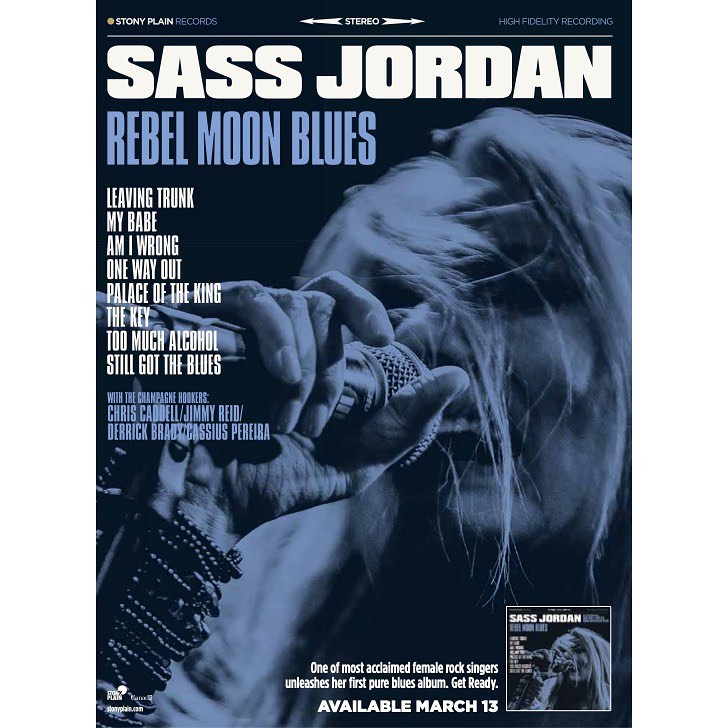
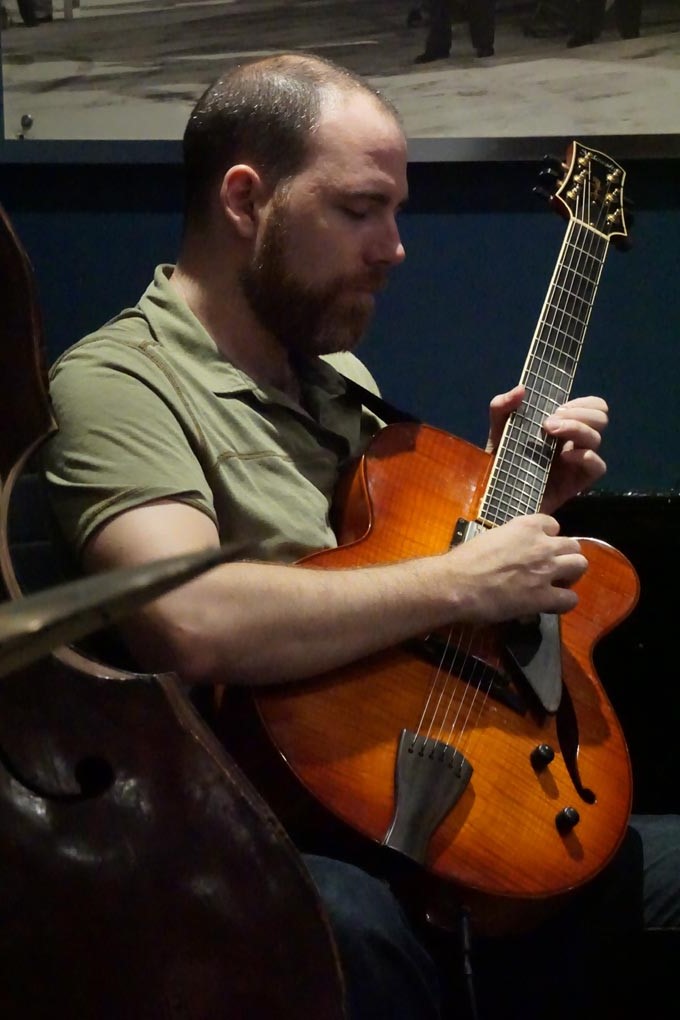
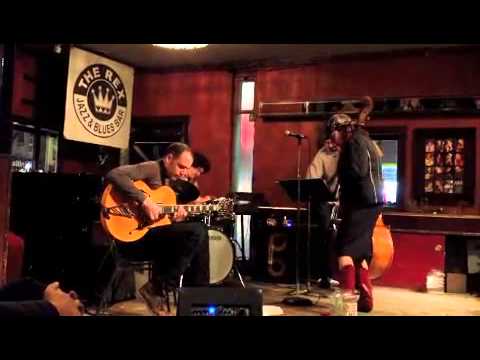
NATHAN HILTZ: My last performance was on March 15 at the Rex Hotel here in Toronto. I typically perform 3-6 times a week so this is a big adjustment. I also teach at Humber College and Regent Park School of Music, which have both quickly deployed E-learning strategies. This has been a lot of work to get up to speed with electronic course delivery, but in some ways has filled up some of that lost gig time, so I am grateful to have work to do.

JS: How creative are you feeling with COVID-19 on your mind?

NH: Very creative, I love to practice, compose and arrange. When things were normal, I often would lament lack of time for these activities but now I’ve got lots of time! The only drag is these activities come to fruition in live performance. I do feel a lot of anxiety and worry about the pandemic, but if I am able to get my guitar out of the case, tuned, and in my lap, I can very much enjoy these activities.

JS: In what specific ways has COVID-19 changed your personal life?

NH: I am home all the time! I typically am working 7 days a week, apart from Sunday day time, I am usually away from home between 4-10 hours in any given day. Now I am home all day every day. This is bad financially, of course, but I have a 4-year-old daughter so any time I am with her I am very content. There is increased risk and fear in our world – I see isolation and safety in this situation as a big priority here at home, and am glad I can be here to be vigilant with sanitizing things, social distancing, and safely getting food and supplies into our home.

JS: What are your primary worries, at this time, about the present situation in the arts because of Covid 19

NH: My biggest concerns are my immediate family, friends, and students. I am trying to support everyone to the best of my capacities whether it be offering lessons for free to students that are not working, or offering to drop groceries on people’s doorsteps. If we all do what small things we can for each other, I hope that we can all get through this with some comfort and dignity.

JS: What are your primary worries about the future situation in the arts because of COVID-19?

NH: I am most worried about musicians that make their whole living from gigs and live pay cheque to pay cheque. I hope that Trudeau comes through for them. I am also worried about the clubs and venues that support us, and all the staff and supply chain that depend on those venues. I am encouraged by Ford allowing them to deliver alcohol, hopefully some can get back some business that way.

JS: What are you yourself doing to get through this time of crisis?

NH: I am currently busy with teaching activities relating to the completion of this semester. That feels good and almost normal. But when all of that is over, I’m not sure what I’ll do. Our whole lives seem to have jumped onto online platforms, with all our social life and music career more fully playing out on Facebook, Instagram, and YouTube. I suppose I will continue to interact on those platforms, though I’m unsure how to actually make money from them. I have my wife and daughter to care for, so I am very focused on caring for them.

JS: What are other creative people you know doing to get through this time of crisis?

NH: I’ve seen people doing fun sort of guitar challenges where you have to make a video response. One I got was ‘play a blues in f#’ that was fun, people are posting songs, sets and concerts. Those who had tours and new recordings happening are doing their best to release them and get some energy behind them. There is a ton of discussion online from the music community in many different directions. Lots of talk about the government, health, social justice, and many big emotions from sadness, to anger and everything in between.

I’m feeling a real urgent need from many members of my community that they need to ‘do’ something, to say something wise or meaningful, to post something amazing, to even fix this whole pandemic situation really with their viewpoint.
I’m not too engaged in any discourse, at this time. I’m focusing on my work, my immediate family, and my students. I leave this whole situation to the frontline workers, the medical establishment, our government, and to God.

JS: What are the saddest stories you’ve heard about creative people during this time of COVID-19?

NH: When I hear young musicians worrying about paying rent, or clubs that are considering closing that makes me sad. But the saddest thing for me is each new death from COVID-19, the thought of a victim spending their last moments not able to see your loved ones is a nightmare. This is a traumatic way to die, and the trauma is shared between the friends and family of the victim and the frontline workers. I am not scared that music will disappear, it will be here in one way or another after all of this. And yes, the world situation will be difficult, but at least those of us who make it will be in it together.

JS: What are the most encouraging or inspiring stories you’ve heard about creative people during this time of COVID-19?

NH: My friend Drew Jurecka made a very sweet and inspiring music video with his daughters singing a song and hanging out around is home. That was really nice!

JS: How can we support people in the arts during this difficult time?

NH: Take online lessons with musicians, that is probably the most direct way to assist financially. It’s a good time to improve at music, I mean we have lots of time to practice right?? Book weekly lessons if you can afford it, even a single new student will make a meaningful difference in a musician’s life, giving them some income they can count on and some routine during this time. Consider studying with someone you know to be vulnerable to this loss of work.

JS: Finally, what specifically can we do to support your life and work in the arts?
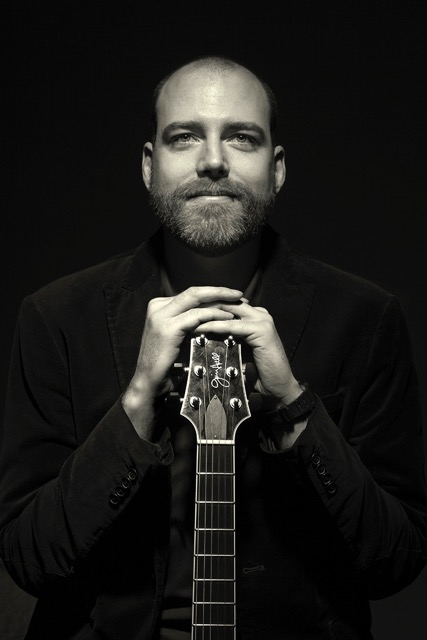
NH: You can study guitar with me online (nathanhiltz.com). You could also purchase my recordings on iTunes, and you can follow me and my band Samways on Facebook and Instagram (@natehiltz @samwaystheband).


Contact Nathan Hiltz

St. Clair and Bathurst

Phone:416-934-1719

Email: natehiltz@gmail.com
Web: www.nathanhiltz.com

Posted in Uncategorized | Tagged , | Leave a comment

ELYSE DRAPER: WRITER, PUBLISHER, AND FORMATTING EDITOR EXPLAINS, “CREATIVITY IS SALVE FOR THE RAW AND WOUNDED SOUL. WE TRY TO MAKE SOMETHING GOOD OUT OF THE TOXICITY WITHIN; AND, IF WE’RE VERY LUCKY, IT CAN REMIND OUR ONLOOKERS THAT THEY ARE NOT ALONE.” … A REVIEWER INTERVIEWS PEOPLE IN THE ARTS

JAMES STRECKER: Please tell us about one or more projects that you have been working on or have recently completed. Why exactly do they matter to you and why should they matter to others.

ELYSE DRAPER: My life has taken on more than a few twists and turns over the past nine years. Creation had been a compulsion since I was very young – writing, painting, web design, graphic illustration, and marketing. Until, I manifested a rare autoimmune disease that would progressively destroy my retinas and lead me into a black hole. Over the next seven years of sight loss, I became a single parent, taking chemotherapy levels of immunosuppressants, and working fifty to sixty hours a week. Artistic creation had to take a back seat to surviving.

A little over a year ago, night blindness forced me to cut back my work schedule, and brought me face to face with a desperation to make up for lost time, to finish projects that I once loved, and start down a new path that ensured a healthy future.

Now here we are, with recent projects and what they mean. I am amid one of the most creatively hyperactive time periods in my life. As a publisher, and formatting editor, I published three books.

• From Murder Incorporated to the PGA Tour: The Remarkable Untold Story of Charlie “The Bug” Workman & His Son PGA Pro Chuck Workman https://www.amazon.com/Murder-Incorporated-PGA-Tour-Remarkable/dp/0692182357, By Chuck Workman, with Peter Cimino.
• The Legend of Ugly Joe https://www.amazon.com/Legend-Ugly-Joe-Gregory-Hall/dp/1695676408/ By Gregory L Hall.
• TALES FOR THE 21st CENTURY volume 2 https://www.amazon.com/TALES-21st-CENTURY-Freedreamer-Tinkanesh/dp/108108488X By W. Freedreamer Tinkanesh.

I am writing a beautifully brutal sociological science fiction, speculative series – Overtaken, which has two books down and one more to go (one of multiple projects that I had begun to write over nine years ago.) A tale that asks if humanity is prepared to evolve. What if we don’t have the possibility of refusing … what if we have made our choice by how we treat one another; how we have treated the world around us?

And I started a new business with my partner, Stephen Hawkins, based on the same premise that I have always applied to my writing – if you are searching for something and can’t find it, create it yourself. In our case, affordable graphic design and merchandising for us little guys, who simply don’t have a million-dollar marketing budget. The Hall Closet Custom Shirtworks LLC, specializes in supplying custom graphic design and branding services, as well as promotional products from clothing to candles. We focus on providing professional corporate design and marketing to clients who are self-employed, running a start-up, and/or small businesses with limited budgets. I am particularly proud of developing a model for my fellow authors, whether independent or small press, which allows them a unique marketing opportunity, by having access to affordable merchandising. And, we’re funny … No; I mean it, we’re actually quite humorous. Or, at least, we laugh a lot, and thoroughly enjoy our work.

What does this mean? Hope. Independence. Creative fulfillment. Life. Looking out from the darkness, my art is giving me life.

JS: How did doing these projects change you as a person and as a creator?

ED: Art in all its mediums, rarely appears from happy minds; the most brilliant words usually come from deep dark places. With that being said, creativity is salve for the raw and wounded soul. We try to make something good out of the toxicity within; and, if we’re very lucky, it can remind our onlookers that they are not alone.

Every time I delve deep into my imagination and carve out something that I can hold, it reminds me that creativity is a gift. After a lifetime of invention, each piece that I can still finish with pride, no matter the hurdles, makes me stronger. As a matter of fact, I think progressively overcoming more difficult situations, leaves one feeling like everything is going to be okay if they don’t give up on making their dreams a reality.

With these latest hurdles, my present projects have been teaching me how to continue with hope, and abandon despondency. It is always an ongoing process; and through method or madness, my work is changing me in profound (hopefully positive) ways.

JS: What might others not understand or appreciate about the work you produce or do?

ED: I have spent my entire life absorbing as much philosophy as possible, reading constantly, only to realize that I know very little, but thrive on the search for and expressions of knowledge. Consequently, I have found tremendous pleasure in attempting to organize my thoughts and research, while weaving them into the fantastical, the visceral, and the fictional. Trying to untangle the nest of notes, stray thoughts, and emotions from complicated timelines, atypical protagonists/antagonists, and support characters that are constantly stealing the spotlight … most certainly is my idea of a good time. Kind of like putting together a 100,000-piece puzzle, of a polar bear in a blizzard … if quite a few of the pieces are missing behind the couch, so you create new ones with colored scrap paper. Thus, my work can be complex and an acquired taste; however, over the years, I have received more positive feedback than ridicule.

JS: What are the most important parts of yourself that you put into your work?

ED: The hidden fragile parts that only see the light of day when projected through my imagination.

Authors are a funny breed; we like to hang our knickers on the clothesline for inspection, but then run back inside to hide, occasionally peeking out the kitchen window to see what people think of our various under-garments.

JS: What are your biggest challenges as a creative person?

ED: Balance. I have come to appreciate that making time and finding balance with my creative self is as important as preventative health care.

JS: Imagine that you are meeting two or three people, living or dead, whom you admire because of their work in your form of artistic expression. What would you say to them and what would they say to you?

ED: I would love to have Jean Paul Sartre, Albert Einstein, Sir Patrick Stewart and Sir Ian McKellen over for a casual dinner. I wouldn’t say a word; I would just close my eyes and listen, like the proper fangirl of the human condition that I am. Well… I may, at some point, ask Stewart and McKellen if they wouldn’t mind reading aloud a sonnet or two.

After all, listening, learning, observing, dreaming, and feeling are the most important factors in drawing out artistic expression.

JS: Please describe at least one major turning point in your life that helped to make you who you are as a creative artist.

ED: Approximately twenty years ago, the accumulated deep dark places and general confusion about life began to overflow with my work as a hospice care provider. I, in turn, began to ooze an angst for not being able to express myself. Writing saved me then, as much as it is now.

JS: What are the hardest things for an outsider to understand about your life as a person in the arts?
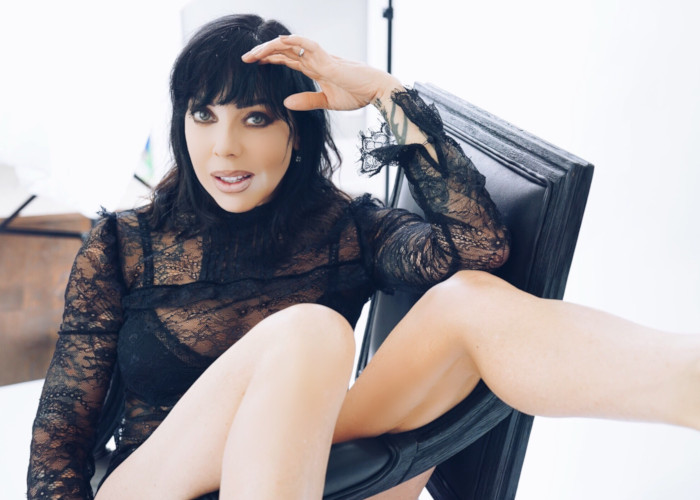
ED: That the term “starving artist” is not some cute avant-garde concept to describe the existential struggle to create … as if deliberately struggling and starving gives birth to our art. We’re starving, people; take an interest, while we’re still alive.

JS: Please tell us what you haven’t attempted as yet that you would like to do in the arts? Why the delay so far?
ED: Movies. I have yet to do work as a screenwriter. Honestly, I think I might be too long winded to be a truly successful one. Perhaps, working with a good screenwriter, one day I could see my work on the big screen, or streamed through a little one.

What would be the delay, up to this point? Representation. Let’s face it, it is ultimately the name of the game … if you want your work noticed, it must be visible to those who might want to buy and/or support your dream. It’s not what you know, it’s who you know.

JS: If you could re-live your life in the arts, how would you change it and why?

ED: I wish that I had a sharper learning curve concerning who to trust with support. However, the hardest lessons learned, are the one’s with the most impact. Ultimately, I wouldn’t change anything … I’ve earned where I am now.

JS: Let’s talk about the state of the arts in today’s society, including the forms in which you work. What specifically gives you hope and what specifically do you find depressing?

ED: The history of art’s impact on society has been the topic of countless books and educational publications. Comparatively, I cannot elaborate any better than those authors on art’s tremendous influence on humanity or. to a timelier extent, society. I can express my opinion though – Art, by the consequence of its existence, touches the unspoken parallels that connect us to each other. Art in its purest forms, surpasses our differences and prejudices, to lay our commonality bare. And yet, those who fear that connection, the ignorant, the narcissists and the xenophobes, have always and will always try to block others from building a broader perspective of the world around them. It is not a coincidence that the largest fearmongers are also those spouting the loudest that the art culture is a luxury and wasteful, and therefore, eliminated.

Within the writing world, I see hope in the explosion of writing and sharing different perspectives through independent publishing innovations. So much talent has gone unknown because there simply wasn’t a platform for distribution. I also find it depressing that so many extraordinary voices are lost inside the sheer quantity of noise that would be better served by a different medium. It really is a double-edged sword for the philosophical grammar nazi.

JS: What exactly do you like about the work you create and/or do?

ED: Taking the mess that I call a brain, spilling it out onto a page, and eventually (with extensive fine-tuning) seeing it make sense.

JS: In your creative life thus far, what have been the most helpful comments you have heard about your work?

ED: “It means something. Don’t stop.” Just vague enough to be left open to interpretation, while also incredibly encouraging.

JS: Finally, what do you yourself find to be the most intriguing and/or surprising things about you?

ED: When I finally found the medium to express myself, I was extremely surprised to find that anyone cared to listen.

Posted in Uncategorized | Tagged , , , , | Leave a comment

BRYCE KANBARA: “I THINK IMAGINATION IS AN UNDER-USED, UNDER-VALUED COMPONENT IN ART THESE DAYS” SAYS THE AWARD-WINNING ARTIST, CURATOR AND WRITER, PLUS FOUNDER OF HAMILTON ARTISTS INC.,WITH POSITIONS AT BURLINGTON ART CENTRE, ART GALLERY OF HAMILTON, THE ONTARIO ARTS COUNCIL, THE NATIONAL ASSOCIATION OF JAPANESE CANADIANS, AND THE WORKERS ARTS & HERITAGE CENTRE OF HAMILTON, PLUS A FREQUENT REGIONAL AND NATIONAL EXHIBITOR … “A REVIEWER INTERVIEWS PEOPLE IN THE ARTS

JAMES STRECKER: Please tell us about one or more projects that you have been working on or have recently completed. Why exactly do they matter to you and why should they matter to us?

BRYCE KANBARA: I just installed my portion of a two-person exhibition with Lillian Michiko Blakey who is a Japanese Canadian sansei (third generation), as I am. Lillian’s work is about her JC identity and the impact of the World War 2 internment of Japanese Canadians on their families and community. My part of the exhibition is a companion to her’s; it’s comprised of three community art projects I organized from 2011-2017 which aimed to reach out and involve diverse ethnic communities in Hamilton. They were an attempt to chip away at the insularity which, it seems to me, thwarts interaction and mutual understanding. I am not a photographer. I worked with photographers, Jim Chambers, Masoud Eskandari and Mina Ao. The first, titled 55/58, was comprised of faces of 55 Hamilton artists (a community I know well) on one side, and 58 Hamilton Muslims on the other. The visual separation underlined the fact that the artists (including me) had little or no contact with the Muslims in our city. The second project, Our Place, began with an overly-ambitious plan to photograph a wide range of ethnically diverse families seated around their dining tables at dinner-time. In the end, we documented 19 families (Muslim, Hindu, and one Chinese senior couple) and learned a lot about the importance of relationship-building, patience, and trust. And the third project (which also, coincidentally, included 19 photos) was with urban Indigenous people in their homes. It was called, Tesatawiyat which in Mohawk means, “Come in”, as when someone knocks on your door. Community Art projects such as these, emphasize that process is as valuable as product.

JS: How did doing these projects change you as a person and as a creator?

BK: Cumulatively, these community art projects made me think more deeply about who I am and gave greater context to what I do. They expanded my art practice by taking me out of the of the studio and into the collective fray of the outside world. I’ve been involved in “activist activity” in the Arts community and the Japanese Canadian community for decades, and when “community art” became recognized as an art practice in itself, it presented an effective way to give voice to community issues through collaboration and creative participation with others.

JS: What might others not understand or appreciate about the work you produce or do?

BK: One of my favourite quotes is from painter, Ad Reinhardt: “Art is art. Everything else is everything else.”

JS: What are the most important parts of yourself that you put into your work?

BK: My scrap-yard sense of aesthetics, my experiences, my evolving perceptions of those experiences, and imagination. I think imagination is an under-used, under-valued component in art these days.

JS: What are your biggest challenges as a creative person?

BK: Finding balance between solitude necessary to think and work, and stepping up to the urgent responsibilities of harmonizing our relationships with family, society and planet.

JS: Imagine that you are meeting two or three people, living or dead, whom you admire because of their work in your form of artistic expression. What would you say to them and what would they say to you?

BK: I would prefer to watch them work – sort of like that well-known film of Picasso seen painting on a transparent panel from the back side so we can watch his intent look and how he changes colours and shapes, directs brush-strokes, hesitates, ponders his next move. I love printmaking. I’d like to sit in the corner of William Blake’s studio as he prints Songs of Innocence and Experience, or watch Goya working on his Disasters of War etchings, or Degas making monotypes of ballet dancers and brothels. I would say thank-you and hope that they found my presence unobtrusive and pleasant enough to be invited to go for a drink.

JS: Please describe at least one major turning point in your life that helped to make you who you are as a creative artist.

BK: Being fired as curator from the Burlington Art Centre in1993 was a useful revelation to me that institutional attitudes and priorities may not be in alignment with mine, and that I may be better off working from the margins. Mind you, I ploughed through a number of subsequent institutional jobs (and terminations) since then, because they afforded opportunities to do things I could not have done otherwise – such as advocate for artists and promote and write about their work. In 2002 I bought a small storefront building on James St. North and started you me gallery which has allowed me to do what I want, and what I think is best.

JS: What are the hardest things for an outsider to understand about your life as a person in the arts?
BK: Art is art, and everything else is everything else.

JS: Please tell us what you haven’t attempted as yet that you would like to do in the arts? Why the delay so far?

BK: Performance art. But that’s rooted in the tendency of post-WW2 born Japanese Canadians like me to want to assimilate and disappear into the mainstream. It’s no accident that until more recent years, Japanese Canadians were not disposed to engage in solo sports or performance careers. We were negatively self-conscious, which mitigates against the confidence necessary to be a good singles performer… tennis player, actor, dancer, singer, musician, magician…

JS: If you could re-live your life in the arts, how would you change it and why?

BK: I am 72 years old, and have neither vision for the future nor the unlived past. Sometimes I’ve wondered if there ought to be more attention to spirituality in my work – but I never saw angels perched in the backyard tree, like Blake did when he was a boy. I think there are discernible rhythms of gesture and thought that run through what I reflect on and produce. I’m grateful that they’ve had time to shape themselves. I like to think my work is an intuitive response to my lived and thinking experience up to now.

JS: Let’s talk about the state of the arts in today’s society, including the forms in which you work. What specifically gives you hope and what specifically do you find depressing?

BK: It gives me hope that there are artists around me who continue to make art despite years of under-recognition, who maintain values and lifestyles that require a healthy sense of unconventionality, and either obliviousness or courage. I’m glad I know them. It gives me hope that members of younger generations want to find ways to make art and art-making central to their lives. I’m dismayed by the limitation many people impose on their definitions and appreciation of culture. Raising awareness of the value of art and artists is a challenge that shouldn’t be as hard as it is.

JS: What exactly do you like about the work you create and/or do?

BK: I like that when I’m working mostly from my right brain, time is meaningless, and materials, ideas, techniques flow towards creating something fresh and new — whether it’s visual art, a text, or the coordination of a project. It’s deeply satisfying. I still look forward to waking up the next day to see if what I was working on the night before is as good as it seemed.

JS: In your creative life thus far, what have been the most helpful comments you have heard about your work?

BK: Feed-back from the general public in comments books from various exhibitions over the years. They’re humbling in both positive and negative ways. In 1994, at the invitation of Paul Lisson at Hamilton Central Public Library, I installed a small show of my abstract drywall wall-reliefs in the third-floor gallery area. I hung each of the eight or so works on individual 8×4 ft. sheets of drywall leaning against the wall. I figured it was a pretty smart solution for separating my work from the library’s surrounding visual distraction. Here are some of the written comments in the book: “if someone was paid for that, we are in trouble!” (unsigned); “I think it’s stupid. A toddler could do that garbage. Can’t you do any better than that?” (Rachel); “I hope to see the cluttered leftovers of your recent renovations cleaned up soon. A blank wall would do more for the imagination than this stuff.” (Arlene); “What a chunk of crud, Go back to the shell game in the subway.” (R. Geiger); “GET A LIFE! I could do better while I’m grossly intoxicated.” (M. Gemmell); “By the length of your resume, one would think you had something to say. There should be a camp for phoney’s like you. Stay the f___ away from me.” (G.P. Young); “It is embarrassing to see the lows an artist will sink to achieve commonality with the working man. BRYCE, TRY AND GET A REAL JOB.” (From a real artist).

JS: Finally, what do you yourself find to be the most intriguing and/or surprising things about you?

BK: a) How patient I can be. b) How impatient I can be.

Posted in Uncategorized | Tagged | Leave a comment