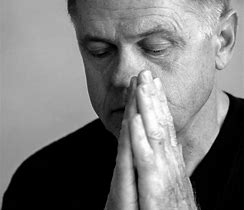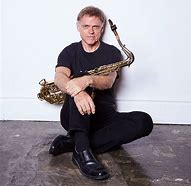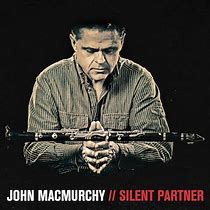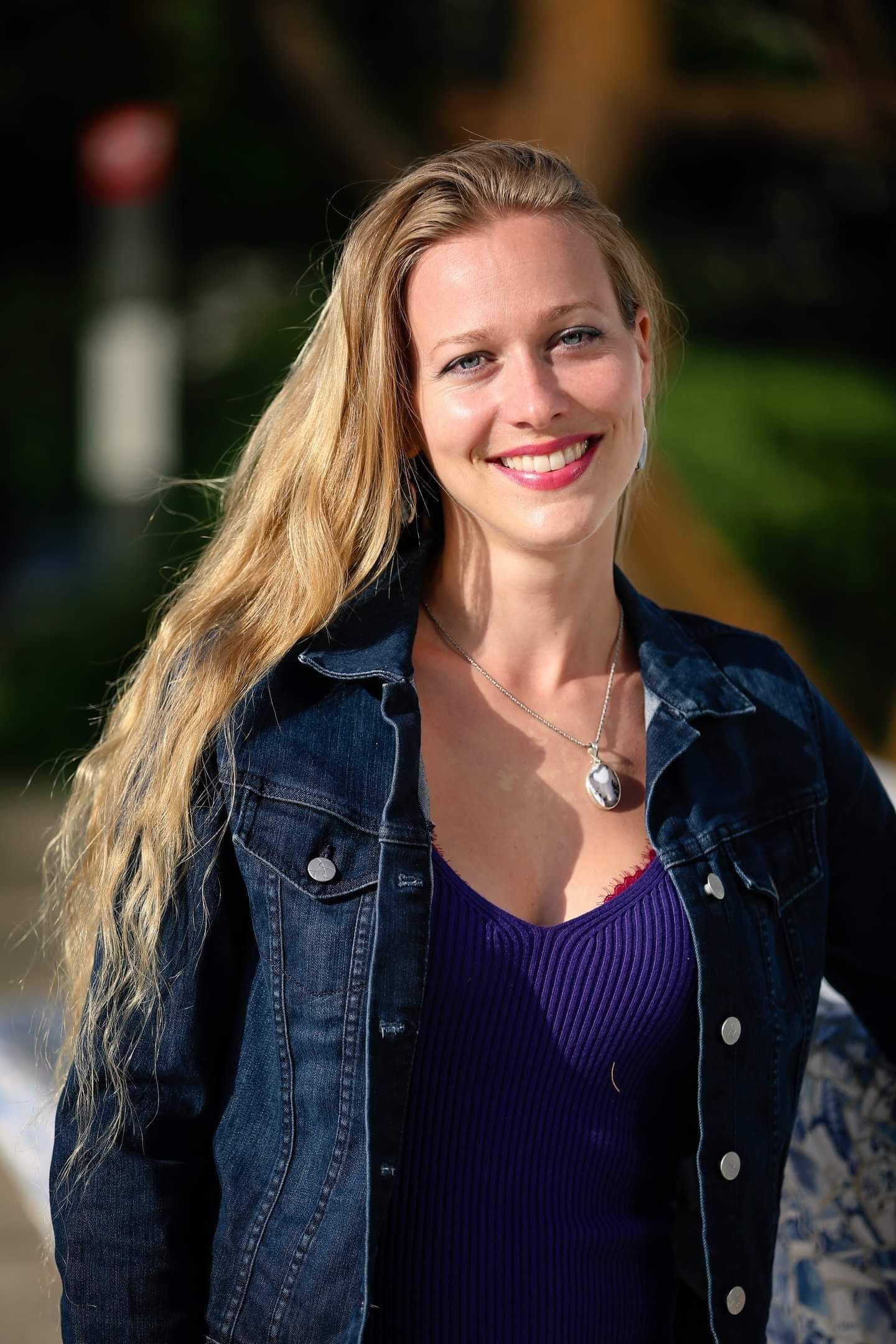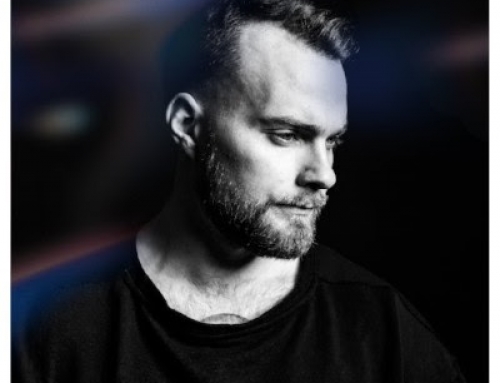
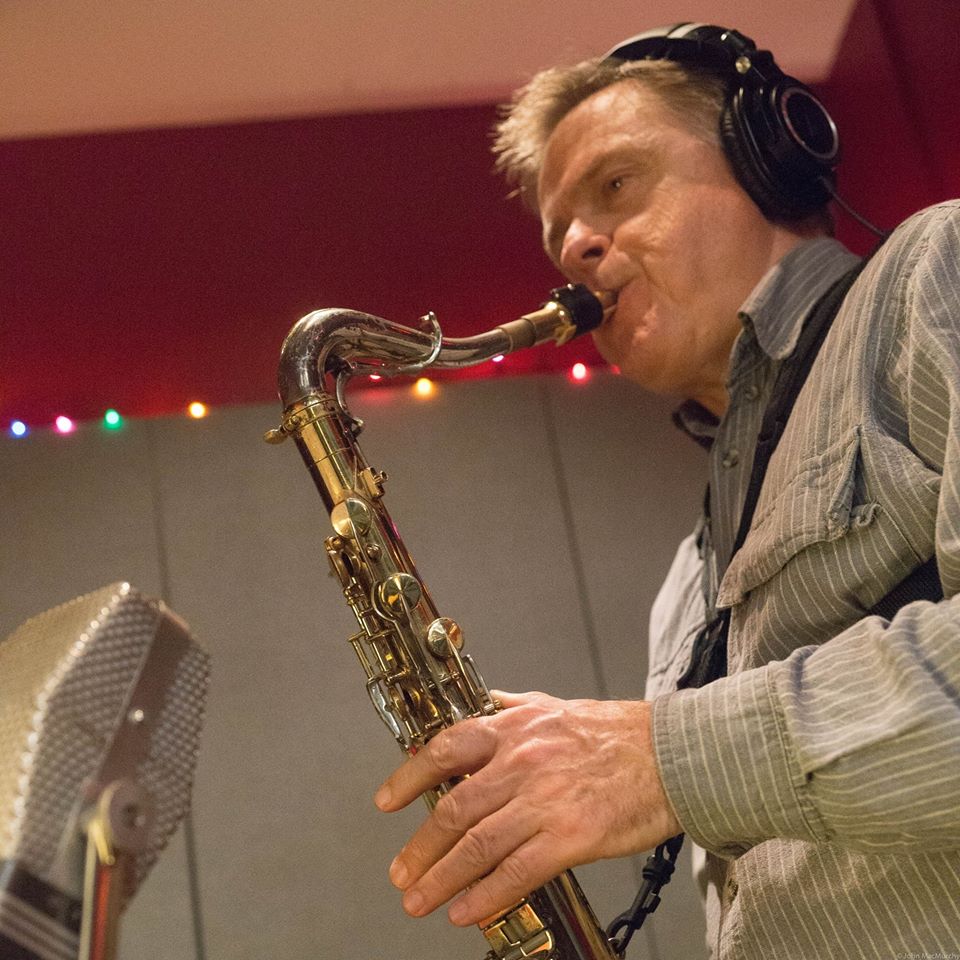
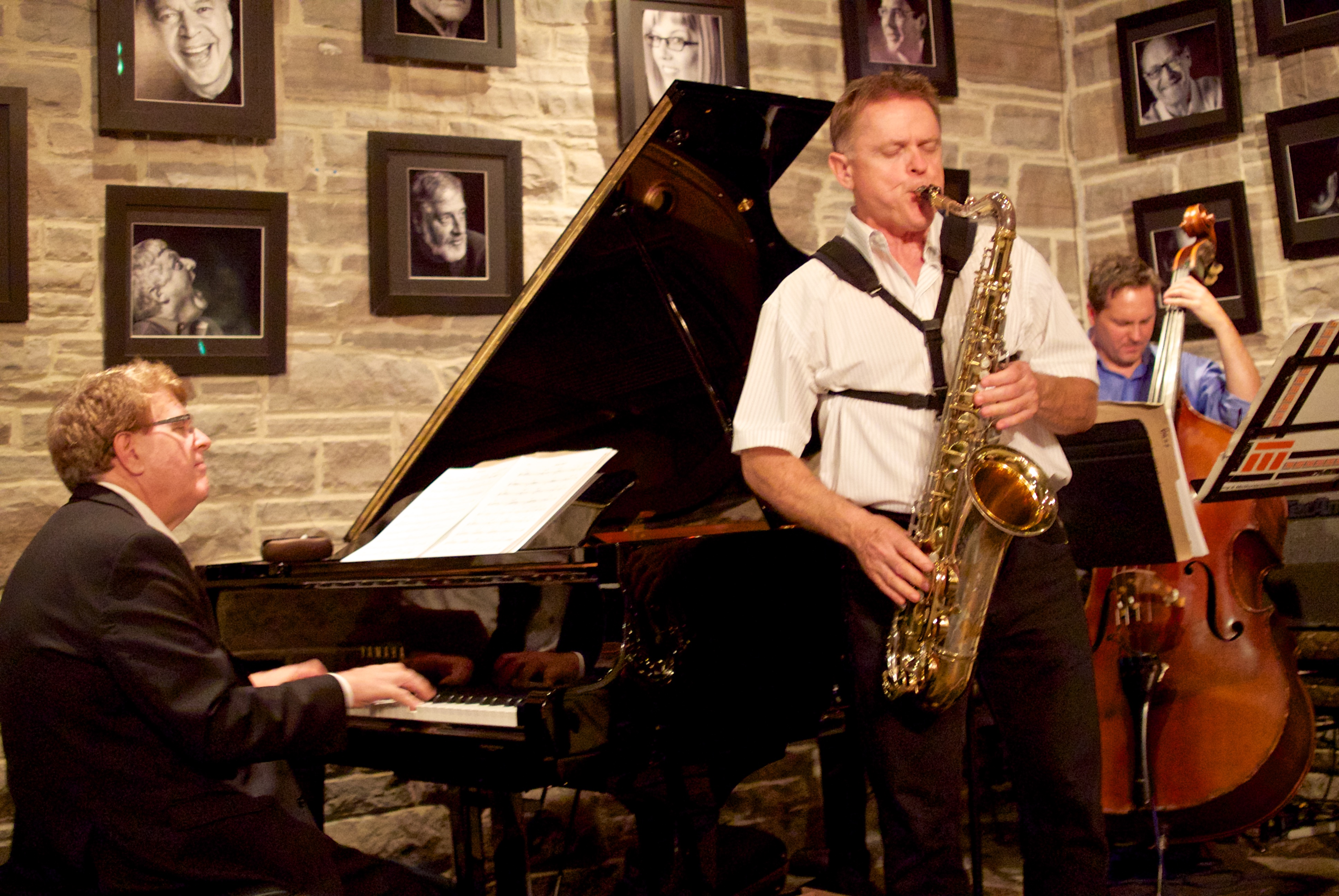
JOHN MACMURCHY, SAXOPHONIST, RECORDING ARTIST, COMPOSER – CREATORS DURING COVID-19: WHAT THEY’RE DOING AND WHAT WE CAN DO TO SUPPORT THEM-


JAMES STRECKER: In what specific ways has COVID-19 changed your creative/artistic life in the arts?

JOHN MACMURCHY: The creative input from colleagues has evaporated because of social distancing. My income has vanished because there is no work.

JS: How creative are you feeling with COVID-19 on your mind?
JM: The constant low-grade stress from isolation and loss of income is sapping my emotional energy and I find it difficult to motivate myself. I have ideas galore, but I’m not in my own house and everything is in limbo which results in a state of immobility.

JS: In what specific ways has COVID-19 changed your personal life?

JM: Like most musicians, my professional life is the major part of my personal life; I miss my friends desperately.

JS: What are your primary worries, at this time, about the present situation in the arts because of COVID-19?

JM: I worry that so many fine musicians will be lost to economics or depression.

JS: What are your primary worries about the future situation in the arts because of COVID-19?

JM: I’m concerned that the streaming services which have already decimated our income stream will be further strengthened by people’s current dependence upon it.

JS: What are you yourself doing to get through this time of crisis?

JM: I’m concentrating on dealing with other personal matters that need my attention.

JS: What are other creative/artistic people you know doing to get through this time of crisis?

JM: Some are practicing like crazy and some are creating videos for social media that are keeping us alive. I don’t have the technology for that.

JS: What are the saddest stories you’ve heard about creative/artistic people during this time of COVID-19?

JM: The American doctor who killed herself was also an amateur musician. Also, the death of John Prine was particularly poignant because it was something he might have written about.

JS: What are the most encouraging or inspiring stories you’ve heard about creative/artistic people during this time of COVID-19?

JM: The daily upbeat videos from artists of all ages and genres.

JS: How can we support people in the arts during this difficult time?

JM: Increase the CERB to $3K/month and make it a permanent basic income.

JS: Finally, what specifically can we do to support your life and work in the arts?

JM: Make my ex-wife honour our separation agreement.

Posted in Uncategorized | Tagged | Leave a comment

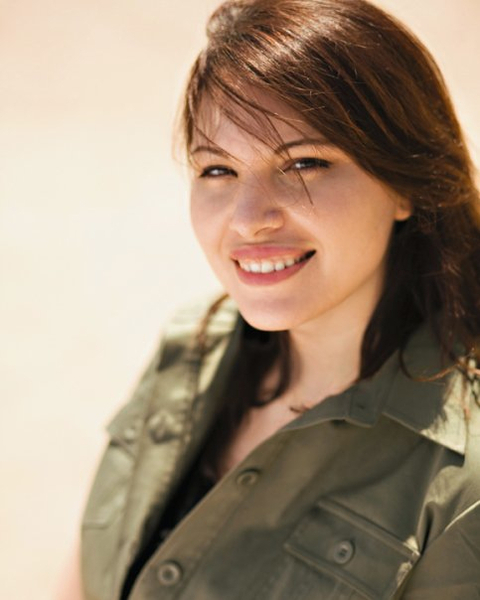
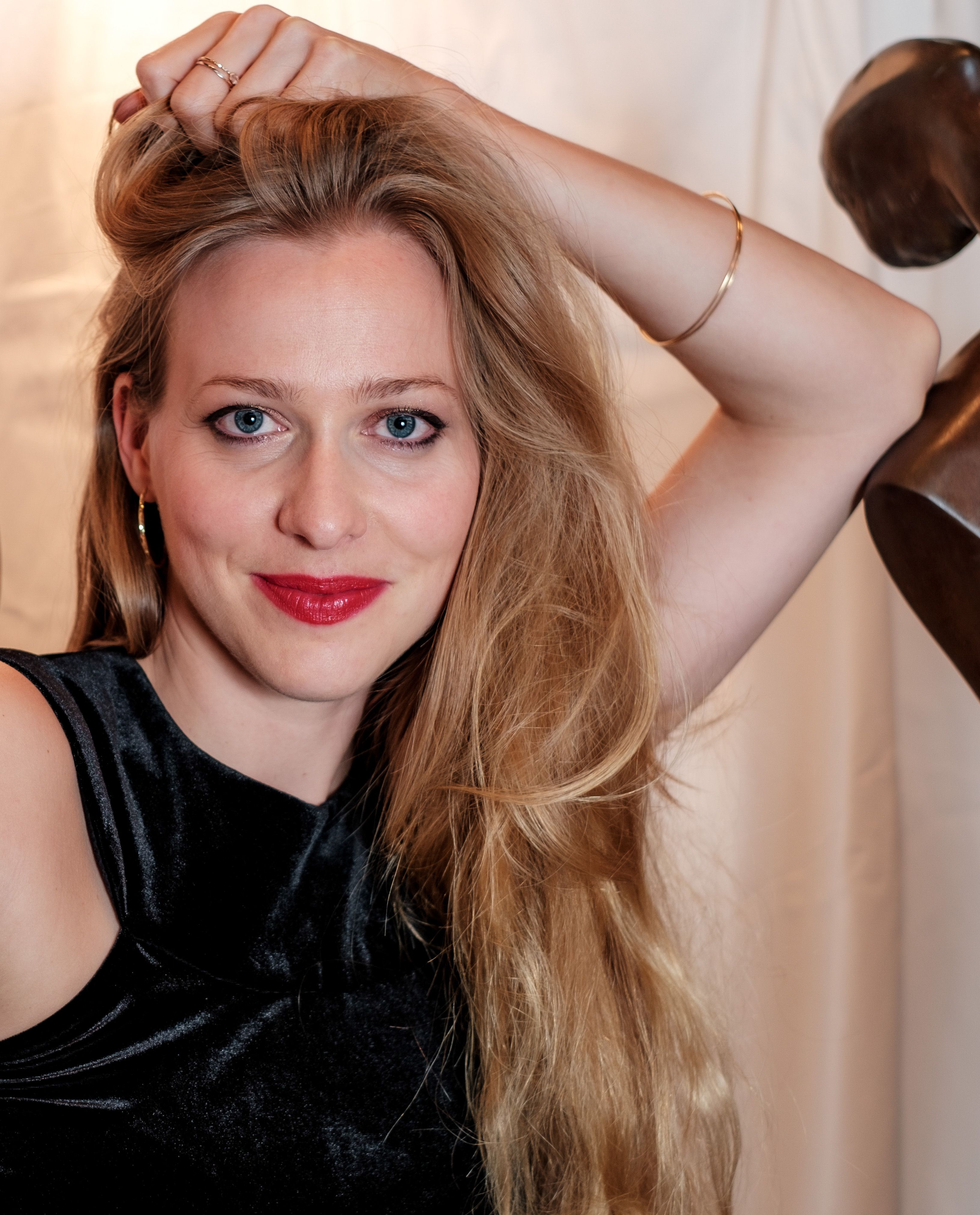
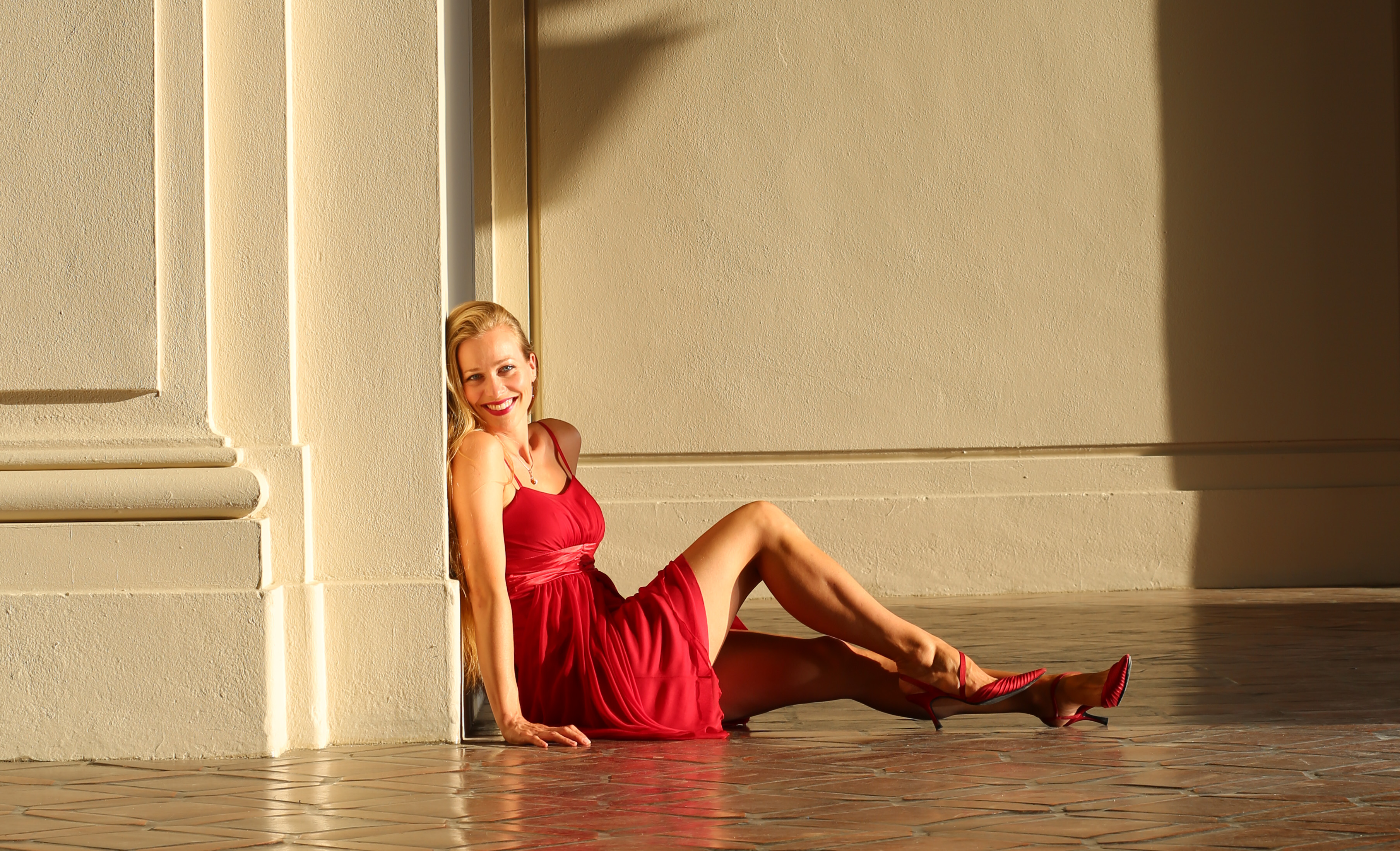
KATARZYNA SADEJ, MEZZO-SOPRANO: CREATORS DURING COVID-19: WHAT THEY’RE DOING AND WHAT WE CAN DO TO SUPPORT THEM

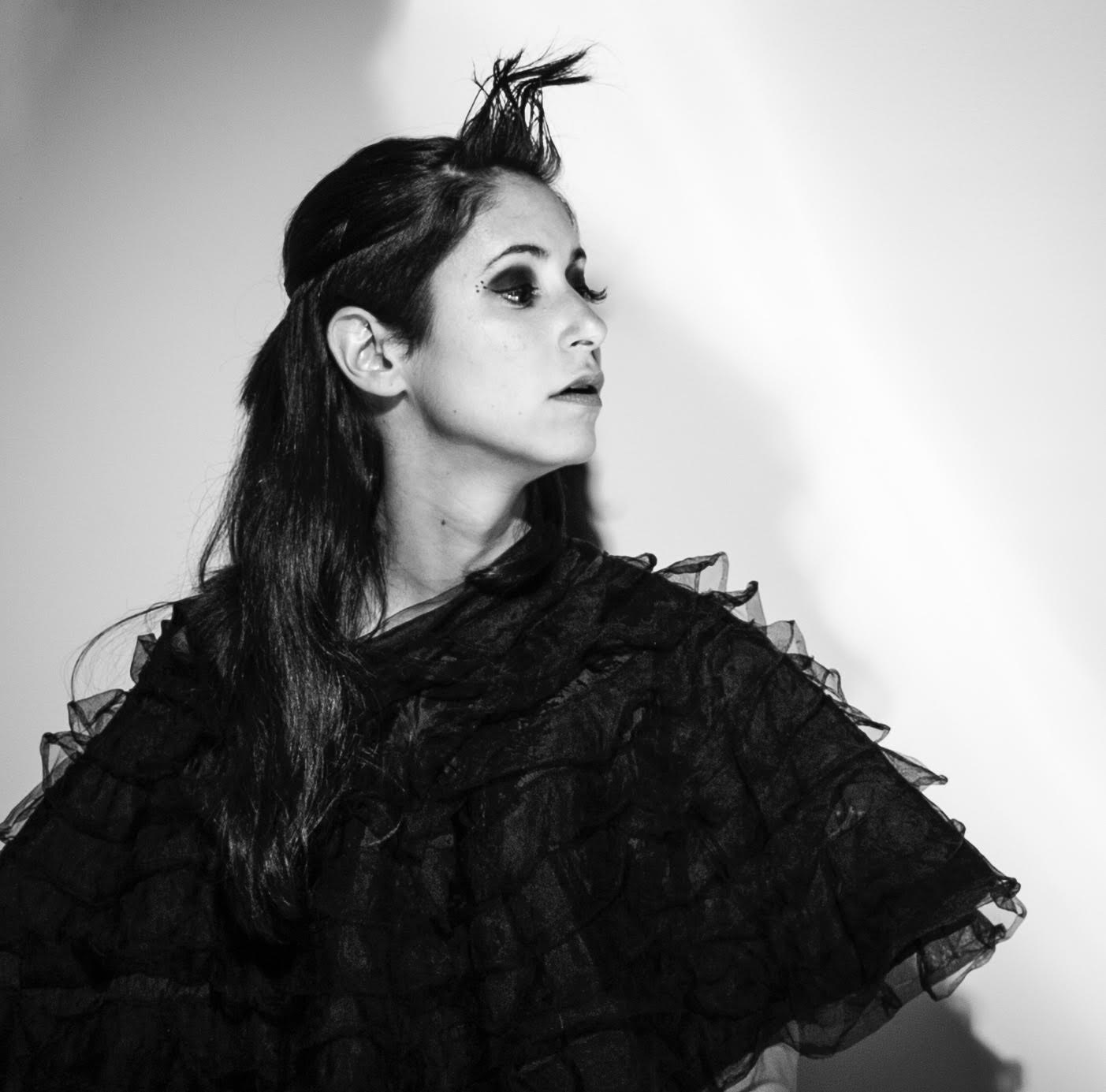
Photo: Juan A. Espino

JAMES STRECKER: In what specific ways has COVID-19 changed your creative/artistic life in the arts?

KATARZYNA SADEJ: It’s been a very hard time for all artists and entrepreneurs. I think we are all struggling with a sense of mourning for the cancelled and postponed-until-further-notice projects. Right when this crisis got really bad, I had 2 especially busy months of very exciting performances, which were all canceled or postponed. When you prepare for something (and MEMORIZE) for so long, it’s devastating for something like this to happen. I know that so many people in the world are in the same boat, and we’re all in this together. Many of us are now doing frequent online performances and some of my friends have even started regular series, which is just lovely to tune into. Most of us are also doing this with no or very little compensation, so it’s truly an effort of love and devotion to our art forms.

JS: How creative are you feeling with COVID-19 on your mind?
KS: Honestly, I have felt a surge of creativity simply to keep myself active and inspired. There have been days where I’ve felt very deflated and depressed. But I have been learning new songs and trying to be as creative as possible, and it’s been a meditation and remedy for the situation for me. The alternative is sitting in a corner and crying about the sad state of the world and unfulfilled performances. This is a situation we cannot control right now, so falling into an immobile depression is simply not an option for me.

JS: In what specific ways has COVID-19 changed your personal life?

KS: Well a lot of interactions with friends and family are online, which is different for sure. I am grateful to have my family in Canada close by during this crisis, as I did choose to spend this isolation period in Canada.

JS: What are your primary worries, at this time, about the present situation in the arts because of COVID-19?

KS: It’s hard to tell the damage this crisis will have on arts’ organizations. I wonder how many can survive if this isolation goes on for a longer period of time. I am, however, confident in the arts surviving as a whole. If this situation creates an opening for innovation and new ideas, we can look forward to that when the crisis is over.

JS: What are you yourself doing to get through this time of crisis?

KS: I am creating as much as possible and posting many things on my social media threads. Again, I feel that arts can help spread positivity and inspiration, so I gladly post frequently for my followers and supporters.

JS: What are other creative/artistic people you know doing to get through this time of crisis?

KS: Again, I have a few friends who have started regular concert series online. One is concert pianist Daniel Vnukovski, whose series I highly recommend if you love extraordinary piano playing. Follow him on YouTube via his channel for more information: https://www.youtube.com/danperforms

JS: What are the saddest stories you’ve heard about creative/artistic people during this time of COVID-19?

KS: The saddest is the loss of performances that musicians have been preparing for months (sometimes years), and often memorizing these performances. The amount of work and soul that goes into a high-class performance is only something another musician truly understands. The cancellations are absolutely devastating. And if you’re not sure that the performance will ever happen, it’s like you’ve devoted so much time to something that just won’t be. I dare say that it’s the loss of the performance itself that hurts much more than the loss of the income from that performance.

JS: What are the most encouraging or inspiring stories you’ve heard about creative/artistic people during this time of COVID-19?

KS: I’ve been touched that many performers have donated so much time to provide entertainment and hope for the global population. It’s a simple thing we can do, if we have a voice or talent.

JS: How can we support people in the arts during this difficult time?

KS: Follow as many online series as you can, donate to them if you can, and as soon as the crisis and isolation are over, go to as many concerts and performances as you can.

JS: Finally, what specifically can we do to support your life and work in the arts?

KS: Honestly, I am happy if anyone tunes into my online posts – if they share them, if they appreciate them. I have gotten some beautiful feedback and it’s been encouraging in these tough times.

Here is a Playlist I created on YouTube with my self-isolation shares. Please subscribe to my YouTube channel (believe me, it’s a great support for me to simply subscribe).
Self-isolation shares: https://www.youtube.com/playlist?list=PLHKUoKpKxYzYI9-F9c1acfcHWhXdX4isH
Youtube Channel: www.youtube.com/katarzynasadej

Please also follow me on my other social media threads:
Facebook: https://www.facebook.com/KatarzynaSadejMezzoSoprano/
Instagram: @katarzynasadej
Twitter: @MezzoSadej

Posted in Uncategorized | Tagged | Leave a comment

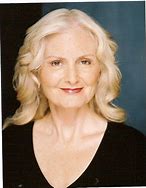
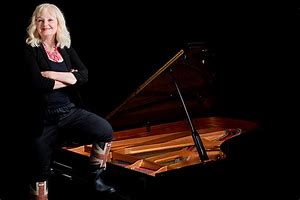
CHRISTINA PETROWSKA QUILICO, PIANIST & ARTIST – CREATORS IN THE ARTS DURING COVID-19: WHAT THEY’RE DOING AND WHAT WE CAN DO TO SUPPORT THEM

JAMES STRECKER: In what specific ways has COVID-19 changed your creative/artistic life in the arts?

CHRISTINA QUILICO: I believe that life in the arts will be changing for the next year. I will be teaching piano online, adjudicating, giving academic courses online.

JS: How creative are you feeling with COVID-19 on your mind?
CQ: I am finding it difficult to be as creative as I would like to be. Many of us are depressed not knowing whether our recordings will be happening soon and when our concerts will be rescheduled.

JS: In what specific ways has COVID-19 changed your personal life?

CQ: The good is that I keep in touch with my friends online more. My children and grandchildren are more available for Skype, FaceTime because they are always online now. Streets are quieter and wildlife is around more which I find comforting. The bad is that as artists we do crave more personal contact than online. Having discussions over a meal or a drink is much better than online. Listening to live music in a concert hall is thrilling. Online the sound is not as rich or vibrant. I am grateful for my dogs. Petting them gives my fingers a real touch. We need to experience that touch when we pianists play, and, let’s face it, piano keys are hard. We need to imagine something warm and vibrant.

JS: What are your primary worries, at this time, about the present situation in the arts because of COVID-19?

CQ: I am afraid that a lot of artists will not be able to survive financially and therefore not artistically. This is tragic because we need young talent to inspire us and keep the arts thriving.

JS: What are your primary worries about the future situation in the arts because of COVID-19?

CQ: As I said before, a lot of artists will have to find alternative ways to make a living. In Universities, a lot of part-time instructors will not be able to teach their regular number of hours. It will be very difficult for them. Online teaching is good during the present COVID crisis, but I am worried that it will become the norm. Nothing replaces real face to face teaching.

JS: What are you yourself doing to get through this time of crisis?

CQ: I am trying to get through as much paperwork as I can. I am also trying to learn all the repertoire (4 piano concertos and a concert of solo piano pieces) I need to perform and record so that when the crisis is over, I will be ready. I am also trying to rest and relax as much as I can. I never seem to find the time so some days I need to meditate.

JS: What are other creative/artistic people you know doing to get through this time of crisis?

CQ: My composer and performer friends are trying to continue with all their plans or make new plans if their concerts were cancelled. Battling negative thoughts has been difficult but we commiserate and support each other. Friendship is extremely important at this time.

JS: What are the saddest stories you’ve heard about creative/artistic people during this time of COVID-19?

CQ: I am trying not to read very sad stories. It becomes too depressing. If I know the artist who is suffering, I will try to reach out to talk. Losing jobs and questioning your artistic future is devastating.

JS: What are the most encouraging or inspiring stories you’ve heard about creative/artistic people during this time of COVID-19?

CQ: I hope that with age comes some wisdom. We must be positive and hopeful that the changes will help the arts in some new ways. Some of us are finding new creative inspirations in our lives. Having some extra time to reflect has been very good for a lot of us. Livestreaming like the Met Gala was absolutely wonderful and inspiring. Hopefully, the COC will do the same. It was exciting to watch and listen the Met stars sing from their hearts and homes.

JS: How can we support people in the arts during this difficult time?

CQ: Speak up as much as we can to keep the focus on how important the arts are and have been throughout the ages. Music feeds our souls and we need to keep reminding everyone of this. Great music has been written in the worst of times and has survived.

JS: Finally, what specifically can we do to support your life and work in the arts?

CQ: I would be very happy to have people listen to my CDs on Spotify. I also have hundreds of videos online on YouTube. Everything from Mozart, Grieg, Chopin, Liszt, opera, jazz, Southam and new music. That would help CD sales online and keep the record companies like Centrediscs, Naxos, and others. We don’t want to lose them and the support they give to Canadian music and artists.

Posted in Uncategorized | Tagged , | Leave a comment

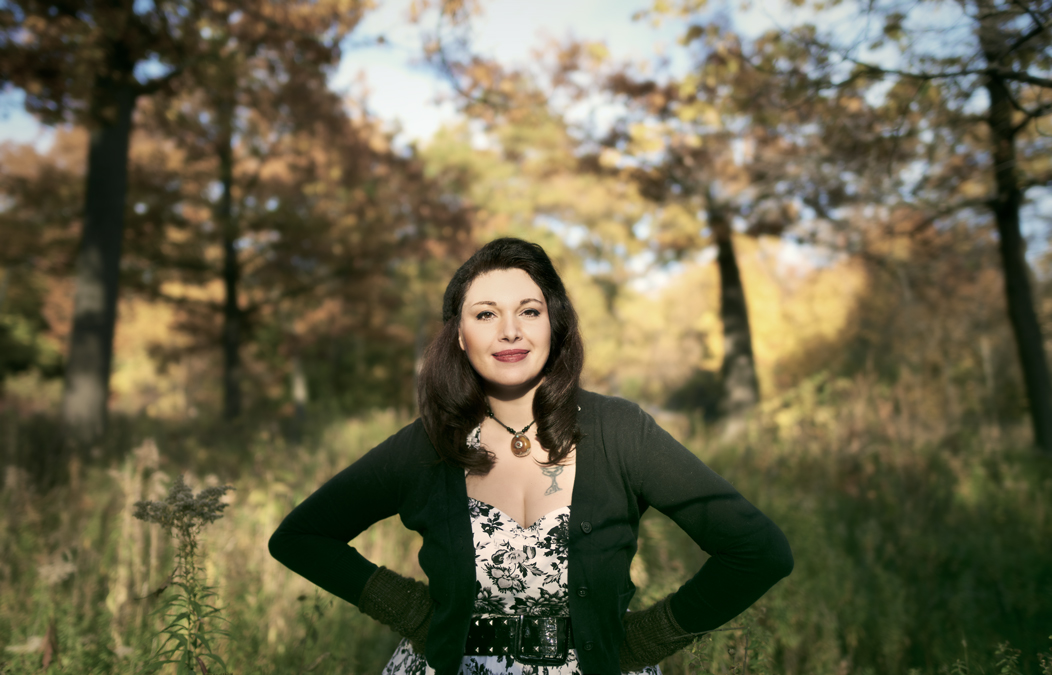
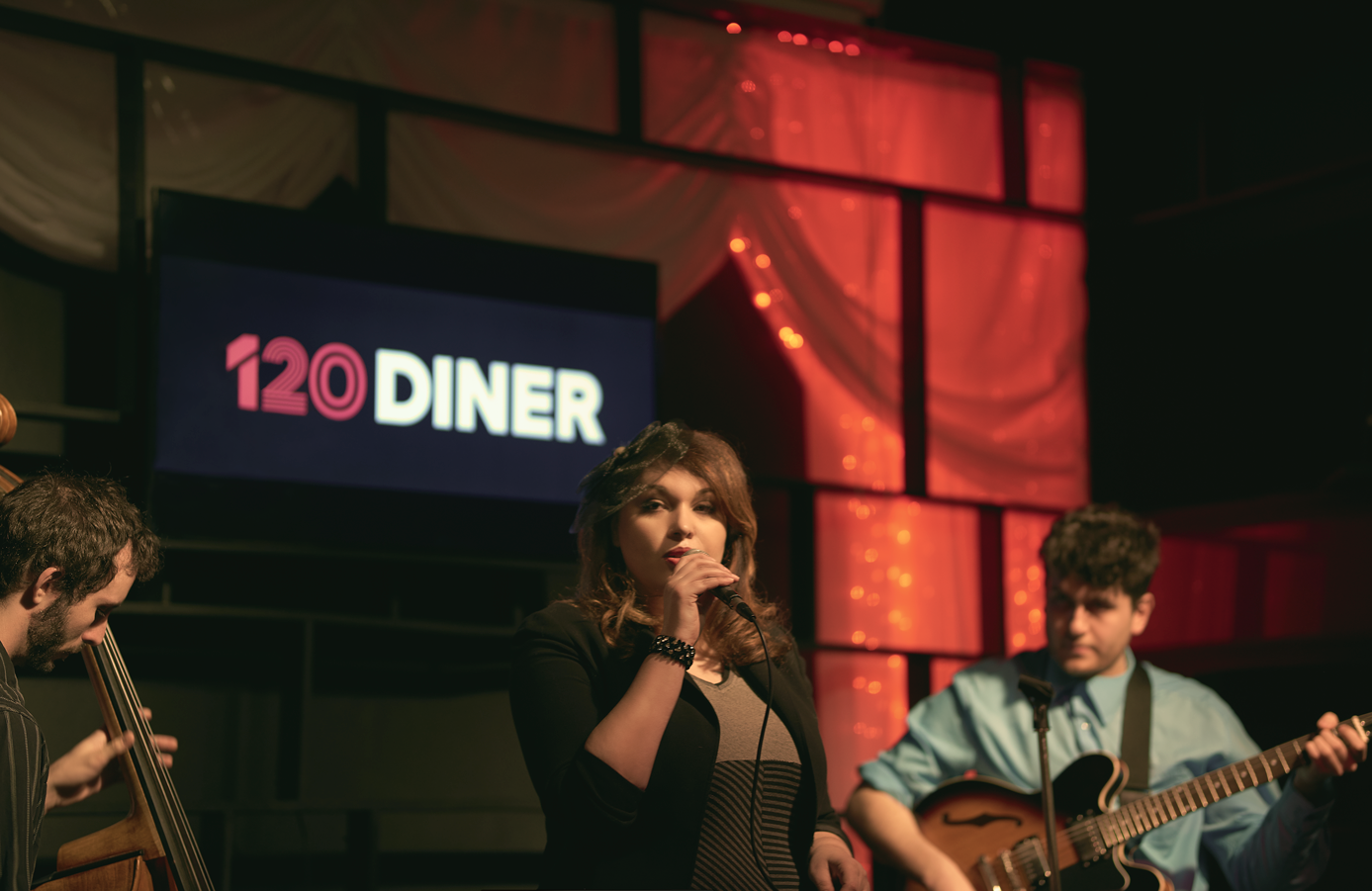
KATARZYNA SADEJ, MEZZO-SOPRANO, IN THE DOCUMENTARY FEATURE FILM “OUR LADY OF THE KITCHEN” – WHAT’S HAPPENING IN MY CREATIVE LIFE?

Photographer credits for four photos immediately above: Juan A. Espino, Andre Surma, Tom W. Bertolotti, Lucyna Przasnyski

JAMES STRECKER: Please tell us what you want the public to know about your recent completed projects and/or the ones you are actively working on. What is it for each one, why is it, and how was/is it done?

KATARZYNA SADEJ: Well probably the most interesting project currently in process, and certainly one of the most exciting in my career, has been my participation in the documentary feature film “Our Lady of the Kitchen”. This is the story of how a painting that was stolen from Poland by the Nazis during the second world war ended up hanging in the kitchen of Craig Gilmore and David Crocker; and, how this same painting was repatriated back to Poland by this loving and generous couple. I perform in this documentary, costumed-up as the original woman from the painting by Geldorp. Among the numbers I perform musically, accompanied by the incredible concert pianist Daniel Vnukovski, who also gifts us with some incredible solo piano in the film, are solo songs and duets with tenor Craig Gilmore (one of the heroes of our film). The big number is a Chopin song, with the poetry changed by me to reflect on current affairs. The documentary has a powerful message for human rights, LGBTQ rights, dignity and equality. Having the opportunity to participate, perform, and voice my own concerns for certain sentiments, intolerance and hatred prominent in the world today, has been a very poignant moment for me. You may wonder how a stolen painting and human rights come together in this film, so you may want to follow my frequent posts about this whole process and please do anticipate the release of this film in a few months’ time.

To find out more about the background story for “Our Lady of the Kitchen,” here is an article released by our very own CBC: https://www.cbc.ca/radio/thecurrent/the-current-for-may-21-2019-1.5142647/poland-s-lgbt-community-gets-unexpected-allies-because-of-a-painting-looted-by-nazis-1.5142713

JS: What kind of audience will this project interest? What new audience are you also seeking? Why to both questions?

KS: For any projects I do, including traditional classical music and opera performances, I always seek to interest people that are generally not in that world. I think it’s very important to always think outside the box and try to encourage people to give higher art a chance. “Our Lady of the Kitchen” is certainly a vehicle for that because it will reach many different people and hopefully many countries. What I say is not meant to look down on other genres of music (I have been known to jam pop tunes myself), but to emphasize that bridging the gigantic gap that now exists between classical music and popular music really should be narrowed. Why, for example, can we not see a real trained opera singer, with vocals of highest caliber, perform during the Academy Award ceremony? Because, right now, the vast majority of the public does not respect or understand operatic singing.

JS: In what ways was/is this project easy to do and in what ways was/is it difficult to realize? How long did it take and why that long?

KS: I have been involved with the documentary for about a year. The translations I did and the poetry I wrote, and the singing practice – all of that took a lot of time. But I tend to prepare things carefully and with my full heart in it. The actual filming has been over 2 years now for the director and producers. Some people are often afraid and feel that it’s too difficult to delve into such projects, which deal with human rights issues and politics. I personally felt compelled to participate from the very start and feel that certain human rights in the 21st century simply must be addressed.

JS: How are you planning to promote, market, and sell this project to the public?

KS: I do frequent posts about it on my social media to boost interest from my followers.

JS: Please give us a brief autobiography, some stuff about yourself, that is relevant to this project.

KS: This project is so special to me because I have really devoted a lot of my career to propagating Polish music (and not for the purpose of making money, believe me!). To be able to present something like this, where I can embody my work in the Polish music field, include my own poetry, and stand up for dignity and human rights all at once, is so unbelievably humbling. I am so grateful to have such a project emerge as a highlight reflecting years of work and learning. It’s also a huge pleasure to be involved with such a talented and amazing team that is creating this entire film.

My family also has an interesting history, having escaped communist Poland in 1988. I was always drawn to Polish music when I was studying music at University and it came easily to me to sing Polish classical songs. I felt like I was in my element. In December 2019 I also released a two-volume album of rarely-known Lutoslawski songs with pianist Basia Bochenek, which can be heard on all music streaming platforms if you search for my name on them. That project took 2 years, to get all the recording done, just so that we could show the world these fabulous 33 songs that barely anyone has heard of.

JS: What’s next in your creative life?]

KS: Much of it, as you might imagine, is on hold because of COVID. I am anticipating a recital tour of Atlantic Canada with concert pianist Daniel Vnukovski, performances as Carmen, a debut in China, a debut with Los Angeles’ Jacaranda series, and others. But other than live performance, which is on hold until further notice, I do have a few interesting side projects.

One is that I will be involved in helping promote another fabulous endeavour, this time by Polish sky-jumper Tomasz Kozlowski. He will be beating a world record in 2021, by doing the highest ever-recorded sky jump, from 45 KM above the earth. He graciously approached me a few months ago to see if I would be interested in participating in this project’s promotion. Of course, I agreed, so much so that I will jump out of an airplane with him in the coming months! I am hoping that, despite my huge fear of heights (which I’m willing to face), this can get some of my followers to support this ambitious project, which is aimed at raising funds for victims of climate change related environmental emergencies. I am also dedicating another project I have been working on – a series of me singing in various locations in the wilderness – to help promote Tomasz Kozlowski’s campaign. Please read more about this ambitious endeavor here: www.jumpfortheplanet.com

Aside from those projects, I am also working on creating online performance content which can hopefully bring some entertainment and positivity to people at this time. I am working with the “Our Lady of the Kitchen” documentary project constantly; and, also, I’m collaborating with other musicians online, which has been a huge pleasure.

Here is a Playlist I created on YouTube with my self-isolation shares. Please subscribe to my YouTube channel (believe me, it’s a great support for me to simply subscribe).
Self-isolation shares: https://www.youtube.com/playlist?list=PLHKUoKpKxYzYI9-F9c1acfcHWhXdX4isH
Youtube Channel: www.youtube.com/katarzynasadej

Please also follow me on my other social media threads:
Facebook: https://www.facebook.com/KatarzynaSadejMezzoSoprano/
Instagram: @katarzynasadej
Twitter: @MezzoSadej

Posted in Uncategorized | Leave a comment

CHRISTINA PETROWSKA QUILICO: PIANIST FOR 60 YEARS, ARTIST, AND LATENT EGYPTOLOGIST DECLARES “WE OVER-ANALYZE TODAY. I WANT TO GO HAVE A BEER WITH BACH AND MOZART. THEIR MUSIC SPEAKS TO ME AND I WOULD LIKE TO TALK WITH THEM ABOUT THEIR PROCESS OF COMPOSING” … A REVIEWER INTERVIEWS PEOPLE IN THE ARTS


JAMES STRECKER: Please tell us about one or more projects that you have been working on or have recently completed. Why exactly do they matter to you and why should they matter to us.

CHEISTINA QUILICO: I have been performing professionally for 60 years. I began playing with orchestra at 10, made my orchestral debut with orchestra in New York at 14 and so it continued. I am happy to say that I have performed and/or recorded 45 piano concertos already and 50 CDs. This summer I decided to take a break from performing to learn new repertoire. I am scheduled to perform the Tan Dun piano concerto twice next season with the Kindred Spirits Orchestra and record 3 other concertos by Larysa Kuzmenko, Alice Ping Yee Ho and Christos Hatzis with Marc Djokic, violin and Sinfonia Toronto, Nurhan Arman, conductor, as well as record a solo piano CD of works by Alice Ping Yee Ho. I am also a Full Professor of Piano Performance and Musicology at York, so I have been completing teaching, grading and adjudicating online.

JS: How did doing these projects change you as a person and as a creator?

CQ: Learning new repertoire and exploring the evolving work of composers I have worked with before is a mesmerizing and magical journey. I do a lot of art so working with new colours in the different styles of keyboard technique and orchestrations is extremely inspiring for my own art.

JS: What might others not understand or appreciate about the work you produce or do?

CQ: One of my Granddaughters once said to me: “Why do you have to practice? Don’t you know how to play the piano already?” Many people don’t understand the hours we need to spend at the piano to learn the notes, style, dynamics of our repertoire. Even when you have performed the pieces, they still evolve and need work. Keeping repertoire fresh is a difficult job sometimes. Also, as a Professor I need to research, read and prepare lectures and to create interesting classes. Especially now, when courses have to be taught online. It seems to be more work. I was fortunate enough to have several courses ready with PowerPoint presentations.

JS: What are the most important parts of yourself that you put into your work?

CQ: I put my soul, hard work, imagination, dreams and dedication into my music. I don’t want to let the composers down. I always want to do the best technically and musically when I perform, whether it is classical or new music. I also don’t want to let down the audiences who took time to come and hear me perform and spent money on a ticket. You want to give an audience the best experience and emotional journey through the music that you are playing.

JS: What are your biggest challenges as a creative person?

CQ: Finding time for me to enjoy life. Working full-time as a professor and trying to schedule enough time for practice and research is extremely difficult and becoming more so. Leaving special time for my children, grandchildren, family, dogs is crucial and with everyone so busy it is tough. We also need time to let our creative juices come to fruition and finding or scheduling those precious hours is becoming even more difficult. I am so exhausted from all my work that falling asleep on my sofa in front of the TV with my dogs is all I can do sometimes. I want more free time.

JS: Imagine that you are meeting two or three people, living or dead, whom you admire because of their work in your form of artistic expression. What would you say to them and what would they say to you?

CQ: I want to go have a beer or whatever they are drinking with Bach and Mozart. Their music speaks to me and I would like to talk with them about their process of composing. I think that we over analyze today so I have a feeling that they would just ask for another beer and gossip about other musicians and composers. I love Egyptology and ancient history so the third person would be the Pharaoh Akhenaten. I would ask him what spiritual journey took him from worshiping numerous Gods in Egypt to believing in one God Ra. I don’t have any idea what he would say and that is the mystery of the past which fascinates me.

JS: Please describe at least one major turning point in your life that helped to make you who you are as a creative artist.

CQ: I was always creative as a young child, but I loved academics and did well in school and in writing. My piano teacher Boris Berlin suggested I try out for Juilliard. My Father was very much against this because I was 14 and he had hoped I would choose an academic career. He challenged me with a dare. He would consider it if I received a scholarship from Juilliard. I was accepted with a scholarship and so I began my journey as an artist in New York. Before then I found playing very easy and wasn’t sure what I wanted but I fell in love with the energy in New York. Still my favourite place.

JS: What are the hardest things for an outsider to understand about your life as a person in the arts?

CQ: I think that outsiders don’t understand the amount of time you need to spend working on your music and that you are working even when you are not.

JS: Please tell us what you haven’t attempted as yet that you would like to do in the arts? Why the delay so far?

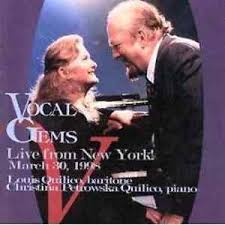
CQ; I have been fortunate to have experimented with a lot of different genres and musical groups in my life. I performed all the virtuoso romantic music, concertos with orchestra, accompanied my late husband, Metropolitan Opera Star, Louis Quilico, in recitals of songs and arias. I have done a lot of experimental music with my first husband, Michel-Geroges Brégent, Québec composer. I worked with Pierre Boulez, Karlheinz Stockhuasen, György Ligeti, John Cage. These were the greats at the time I was a young artist. I have played jazz, premiered numerous compositions in all different styles. I have worked with electronics, played harpsichord. I think doing more online is something I need to think about.

JS: If you could re-live your life in the arts, how would you change it and why?

CQ: If I could re-live my life I would definitely not be in the arts. I would love to be an Egyptologist. I took courses for over 6 years and toyed with the idea of getting another degree. I have been to Egypt and love exploring. The other choice would have been an astrophysicist if I had been slightly better in math. I was very good in science and I love anything to do with discoveries in space.

JS: Let’s talk about the state of the arts in today’s society, including the forms in which you work. What specifically gives you hope and what specifically do you find depressing?

CQ: At the moment we are in a crisis. The Universities are definitely going to be teaching as many courses as they can online. Solo instruments, like piano lessons can be taught online. I just adjudicated over 100 videos for a music competition online. The problem is that it isn’t a level playing field. Each piano is slightly different and some better than others, which makes fair adjudication difficult. However, chamber music at the moment will be difficult to teach safely. I think we have to wait out the pandemic and hope that artists survive financially.

JS: What exactly do you like about the work you create and/or do?

CQ: I love creating paintings or drawings inspired by the music I play. I had written much poetry when I was younger and one of my biggest thrills lately was that David Jaeger, composer and producer extraordinaire used some of my poetry for his compositions. I also love the fact that I have had the opportunity to work on Baroque, Classic, Romantic and Contemporary Music. Working on different styles keeps my performance fresh and hopefully interesting.

JS: In your creative life thus far, what have been the most helpful comments you have heard about your work?

CQ: I have been extremely lucky in my life to have had a lot of reviews. This is sadly not the case for young artists today. I remember as a young Juilliard pianist to be thrilled to have had so many excellent New York Times reviews by critics who were knowledgeable about the repertoire and the piano world. For me it was the affirmation by these New York Times reviews, and those from Paris, France and the rest of US, Canada, etc. that kept me in the profession. Also, one of my teachers said after I received an especially “rave” review from the New York Times: Don’t be too confident. The next time they could say, “Didn’t live up to potential.” I always remembered that and tried to better my previous performances.

JS: Finally, what do you yourself find to be the most intriguing and/or surprising things about you?

CQ: My close friends and family know that I am a big animal lover. I love going to Farm Sanctuaries and bonding with cows, goats, horses and other animals. My daughters and I have 13 pets (6 dogs,5 cats and 2 guinea pigs). I also have a backyard sanctuary for squirrels and birds. The squirrels sit by the window and knock on the door for food when I am practicing. It brings me close to nature. That, and my passion for ancient history, especially Egyptology is something not everyone knows about me. Although my 2 dogs, a Pug and a Yorkie are often featured on my Facebook page, more than my concerts.

Posted in Uncategorized | Leave a comment

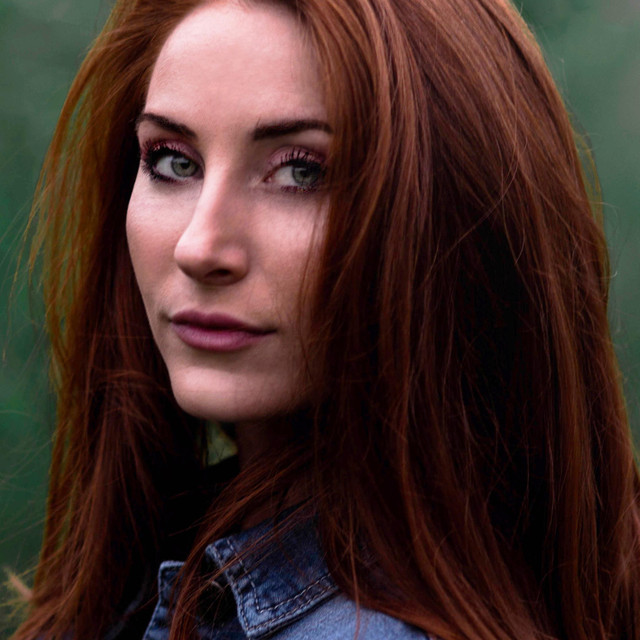
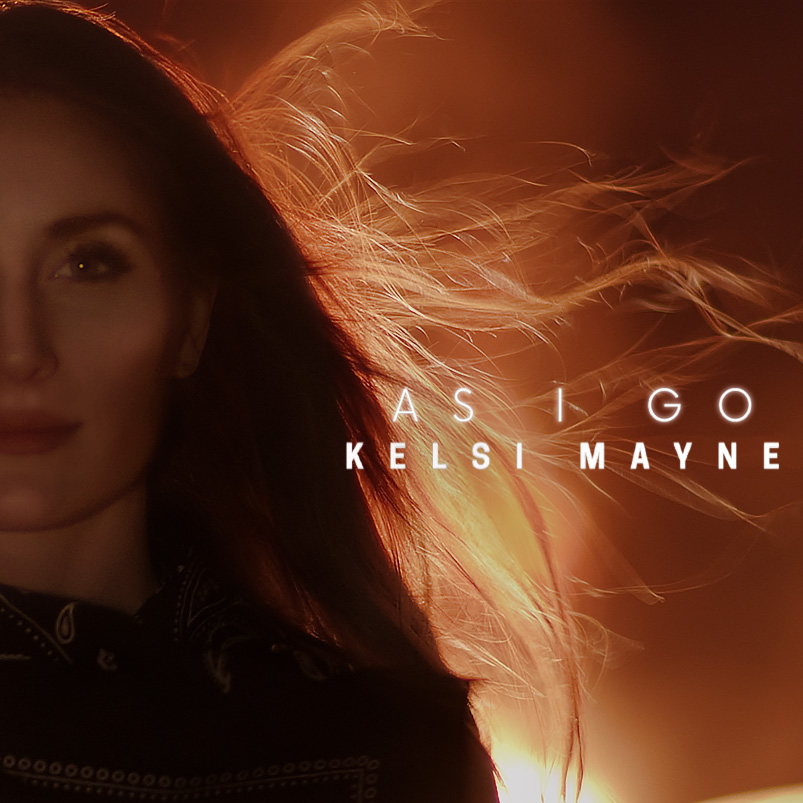
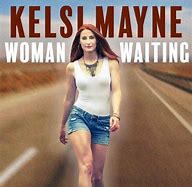
KELSI MAYNE, SINGER-SONGWRITER WITH DEBUT ALBUM “AS I GO” EXPLAINS “IF I DON’T BELIEVE IN SOMETHING, MY AUDIENCE SURE AS HELL AIN’T GONNA BELIEVE IT EITHER!” … A REVIEWER INTERVIEWS PEOPLE IN THE ARTS

      JS: How did doing “As I Go” change you as a person and as a creator?

KELSI MAYNE: “As I Go” being my first album, this really challenged me in finding my voice and really discovering who I am and who I want to be as an artist. I’ve learned to just trust my “gut” above all else, which sounds simple but can be really difficult at times.

JS: What might others not understand or appreciate about the work you produce or do?

KM: I’m completely independent and am involved in every step of the process. From writing the songs, to sitting in the studio with my producer and experimenting with the production, to running my socials, to designing my merch, to booking our shows, rehearsals & travel, to producing and editing my music videos and even on occasion making my own performance clothes.

JS: What are the most important parts of yourself that you put into your work?

KM: Everything has to be genuine. If I don’t believe in something, my audience sure as hell ain’t gonna believe it either!

JS: What are your biggest challenges as a creative person?

KM: Deciding when something is finished. You can tweak forever, but nothing will ever see the light of day. At some point you have to learn when to stop and move on.

JS: Please describe at least one major turning point in your life that helped to make you who you are as a creative artist.

KM: When I was in university, I worked as a “bevertainer” at a country bar (The Bull & Barrel). I would jump up on the bar or a table sing a song then jump back down and continue serving. It helped to pay for my education and I had a blast at the same time. It wasn’t supposed to be anything more than that, but it got me hooked on performing. Around the same time I was graduating, I had two different patrons on back-to-back nights tell me the exact same things: 1) What are you doing here? and 2) You need to take this to the big city. I was flattered by the first patron because a stranger has no obligation to compliment you or provide advice. Then when another patron says the exact same thing the very next night, I took that as a sign I could not ignore.

JS: If you could re-live your life in the arts, how would you change it and why?

KM: Sometimes I wonder what would have happened if I pursued music before I graduated university, but then I realize all of the life experiences I’ve had which inspire me now, so I wouldn’t change a thing.

JS: In your creative life thus far, what have been the most helpful comments you have heard about your work?

KM: “I don’t like country, but I like your music” is the recurring comment I love every time I hear it. Country is such a small genre, so to gain recognition both by country fans and non-country fans, it makes me feel really good as both an artist and songwriter because I know I’ve connected with a variety of people. Growing up in Windsor, I was influenced a lot by Detroit music and loved hip-hop, rap, r&b and country equally, so comments like this makes me feel successful in embodying all of my inspirations.

JS: Finally, what do you yourself find to be the most intriguing and/or surprising things about you?

KM: Pretty random but I grew up as an elite highland dancer and also ran track while at the University of Windsor and have a U-Sports national bronze medal in 60m hurdles.

Posted in Uncategorized | Tagged | Leave a comment

CRYSTAL SHAWANDA, SINGER-SONGWRITER, EXPLAINS “I FEEL LIKE IT’S IMPORTANT FOR EVERYONE TO IGNORE THE DISTRACTIONS IN LIFE AND SEEK OUT WHO WE ARE TRULY MEANT TO BE. THAT’S WHY THIS PROJECT MATTERED TO ME” … A REVIEWER INTERVIEWS PEOPLE IN THE ARTS

JAMES STRECKER: Please tell us about one or more projects that you have been working on or have recently completed. Why exactly do they matter to you and why should they matter to

CRYSTAL SHAWANDA: – I just completed and released my new album “Church House Blues”, and it is a definitive piece of art for me because I wasn’t trying to win over the critics or fit in anywhere, I just wrote and recorded what I know, what I’ve been through, where I’m going, and what feels good. I feel like it’s important for everyone to ignore the distractions in life and seek out who we are truly meant to be. That’s why this project mattered to me.

JS: JS: How did doing these projects change you as a person and as a creator?

CS: This project changed me because it has given me a renewed confidence, by choosing to embrace who I am, and recording and writing music that feels natural to me, rather than if it will be commercially successful. It also has a lot to do with working with my team True North Records who preferred songs I was writing, over the songs that were being pitched to me. I feel like they gave me back my voice as a songwriter, something I lost somewhere along the way.

JS: What are the most important parts of yourself that you put into your work?

CS: The most important parts of myself I put into my work is my heart and soul, my sincerity, and hope. Everything is very personal, I truly care about what I put out into the world, and hope it’ll help someone through whatever they’re dealing with.

JS: What are your biggest challenges as a creative person?

CS: My biggest challenges as a creative person is separating my heart and soul from the business side of things, to not take things too personal when a piece of music is judged and rejected.

JS: Please describe at least one major turning point in your life that helped to make you who you are as a creative artist.

CS: A major turning point in my career that made me who I am, came pretty early in life actually. When I was 6, I performed for the first time on stage for people, and there was a funny part in the song that made everyone laugh, and I can distinctly remember feeling their energy, and I fell in love with that connection. I’ve been chasing that feeling ever since, and it is what drives my performances as well as what I choose to write and record. I want to inspire people to go through their emotions, whether it’s sad and the music allows them to release it into the universe, or happy and the music pushes them to share it with everyone.

JS: What are the hardest things for an outsider to understand about your life as a person in the arts?

CS: I think the hardest thing for people to understand about my life as a person in the arts is everything, I do is an extension of me, and I invest myself so much that it can be mentally and emotionally exhausting. Also, the level of commitment it takes to be in the music biz is consuming, I miss a lot of important events in people’s lives, because my job is not 9-5 with weekends off, and I can’t put in a request for time off. Contracts are drawn up months sometimes a year ahead of time, and if I canceled, I could be sued. Some people I love eventually give up on me because of this, and some forgive me and try to understand, it’s not always easy but if it was everyone would be doing it.

JS: Please tell us what you haven’t attempted as yet that you would like to do in the arts? Why the delay so far?

CS: Something I’ve always wanted to do but haven’t attempted yet is writing children’s books. I have ideas, story boards, sketches of characters, but just haven’t been able to bring it to fruition. The only reason I haven’t done it yet is the lack of funding, I have tried applying for grants but just haven’t had any luck yet. I’ll keep trying though, because it’s something I really want to do, especially since the birth of my little girl Zhaa Zhaa 3 years ago. Till I find the means I will keep writing and collecting ideas so that when the opportunity presents itself, I’ll be ready.

Posted in Uncategorized | Tagged , , , | Leave a comment

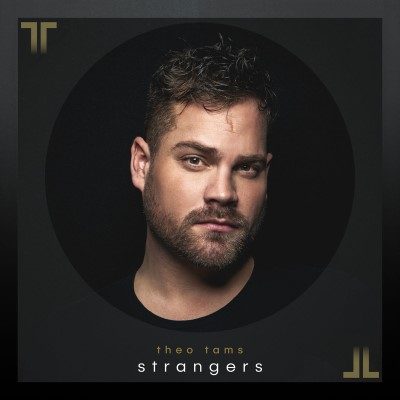
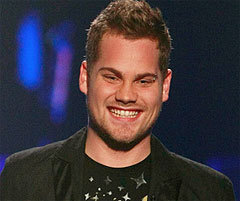
THEO TAMS: FIRST OPENLY GAY WINNER OF CANADIAN IDOL IN 2008 FEATURES TWO GAY COUPLES, ONE MALE AND ONE FEMALE, IN VIDEO FOR “LAZY LOVERS” AND COMMENTS, “I REFUSE TO LOSE THE ABILITY TO FEEL THINGS AND I’VE ALWAYS TRIED TO WRITE MUSIC THAT ALLOWS PEOPLE TO FEEL THINGS TOO, EVEN THINGS THEY’RE SCARED TO FEEL,” … A REVIEWER INTERVIEWS PEOPLE IN THE ARTS

JAMES STRECKER: Please tell us about one or more projects that you have been working on or have recently completed. Why exactly do they matter to you and why should they matter to us?

THEO TAMS: I just released a music video for my latest single “The Last Song” and the song is definitely one of the more personal songs I’ve written, so it was a challenge to try and represent that visually. I had the idea for the music video about a year before we shot it – I needed time to grow a proper beard lol. I knew that I wanted to depict a kind of metamorphosis and the feeling of trying to be everything and everyone for someone else, and you kind of lose your own self and your identity along the way. It was a really freeing process and it’s always a really beautiful thing to execute something the way you originally envisioned:

JS: How did doing these projects change you as a person and as a creator?

TT: Creating the EP “Call The Doctor” and the music video for “The Last Song” was really a form of therapy for me. I think for a long time I was in the studio censoring my own artistry, saying things like, “oh that sounds cool, but it’s not for me, I couldn’t pull that off…” and then I just starting saying “yes” to a lot more. Being more open, being more vulnerable. It’s the most personal EP I’ve done, and I’m really proud of it, it taught me a lot about myself and about trusting my instincts, but it also served a purpose and I think that purpose was to really let go of some shit that was holding me back. The new EP which will be coming out sometime this year has taken a really different turn sonically, and I think it took writing a really personal record to get me to that point where I was willing to start taking some bigger creative risks.

JS: What might others not understand or appreciate about the work you produce or do?

TT: Honestly, I don’t let my head go there. I am more focused on the people who DO understand and who DO appreciate the work I do. When you’re in a creative field and you put yourself out there, there are bound to be haters and people who want to come down on your art, it’s all part of the business and a shit part of the industry. It can eat at you, so you have to make a choice early on to focus on the positive that you’re getting back rather than the negative.

JS: What are the most important parts of yourself that you put into your work?

TT: I think for a long time I didn’t want to write about certain aspects of my life. I didn’t want to write about faith, I didn’t want to write about my sexuality, I didn’t want to write about my family…. because in certain ways, a lot of those things are very juxtaposed. But the older I get, the more I realized that we ALL have those juxtapositions in some ways. So, I just let go of steering away from those things and instead embrace all the complicated emotions that come with them.

JS: What are your biggest challenges as a creative person?

TT: The biggest challenge I face as a creative person, and I think a lot of creative people struggle with this, is finding ways to maintain being productive even when you’re not feeling inspired. That’s when working on your craft really becomes the job. The job is not creating, it’s pushing through the uninspiring times and learning how to use them to work on other aspects. When I’m not feeling inspired to write, maybe that’s when I can really work on my live set and the performance aspect. When I’m not inspired to sing, maybe that’s when I can really sit down with my journal and my words. When I’m not inspired to do either of those things, maybe that’s when I can sit in silence with my thoughts and try to unearth what might be blocking inspiration. There is ALWAYS something to do, but it’s about gently nudging things in one direction or another to make it all happen.

JS: Please describe at least one major turning point in your life that helped to make you who you are as a creative artist.

TT: Oh dear lord, I’ve had so many hahaha. I think the latest was a therapy session I was in a couple years ago, before the release of “Call The Doctor” and my anxiety was so crippling because there was so much fear attached to the release of this particular EP. It was an extremely personal group of songs, so I was putting myself out there in a way that I hadn’t really done before. I remember talking to my therapist and saying that I just wanted this EP to be successful and I wanted it to be a bit of breakthrough, etc., etc. and she said something to me that I will never forget. She said, “Outside of all those external forces that you cannot control, i.e. public perception, and industry acceptance, etc., do you not feel as though it is simply your purpose to create? To tell these stories and to sing these songs?” It was such an incredible moment for me as an artist because I immediately felt lighter and safer, when you break things down, it really is that simple. We are all here to create – that sounds so whitewashed eat pray love I know… lol, but it’s true.

JS: What are the hardest things for an outsider to understand about your life as a person in the arts?

TT: I think people often don’t understand that we often don’t get a choice of what inspires us. I can be inspired by the strangest things sometimes; my partner will look at me funny and I’ll write a song about how he broke my heart. My dog can be acting up and being rowdy and I’ll write a song about feeling completely irrelevant and unimportant. On the flip side of that, I’ll see a kid with an ice cream cone and write a song about how the world is a beautiful place and we are all going to be okay. Inspiration comes in the weirdest forms and I think it’s hard for outsiders to really understand that source at times.

JS: Please tell us what you haven’t attempted as yet that you would like to do in the arts? Why the delay so far?

TT: I have always wanted to write a musical. There have been so many songs that I’ve written over the years that never made the cut for projects, often because they were too cinematic sounding, or a bit to over the top, so…PERFECT for musical theatre haha. There hasn’t really been a delay so much as really finding the right time and the right people to collaborate with. BUT I can now safely say that it is in the works, and we have some basic plot information down, and really starting to dive into the characters as well. It’s exciting and the quarantine has finally given some time to really dive into these ideas.

JS: If you could re-live your life in the arts, how would you change it and why?

TT: I have two left feet so I wish I could move. I sometimes think about doing a music video with some dance elements or some choreography to it, but then I remember that I literally trip over myself constantly. I’ve always admired dance as an art form, I find being able to communicate stories and emotion through movement is just beautiful, it literally makes me weak in the knees. Who knows, maybe one day I’ll take the plunge.

JS: Let’s talk about the state of the arts in today’s society, including the forms in which you work. What specifically gives you hope and what specifically do you find depressing?

TT: The music industry has changed so much in the last decade especially, it’s a bit disheartening at times because as soon as you have a handle on one aspect of it, there’s 50 more avenues to explore but that’s also what keeps things exciting. You have to give people more than just music, more than just a product, you have to give them a reason to invest in you personally. They really need to care about you, I think that’s one of the positives of coming from a show like Canadian Idol – there has been downsides for sure, but the positive is that you have an incredible fan base of extremely loyal people who really do care about you. I’m super thankful for that.

JS: In your creative life thus far, what have been the most helpful comments you have heard about your work?

TT: I think in an industry where production is playing a bigger role than ever before, it’s really nice to hear that I’m still a legit singer haha. Autotune has it’s uses sure, but it has no place in my studio or in my process. I love being able to deliver raw emotion without having to rely on a computer to get me to sound a certain way.

JS: Finally, what do you yourself find to be the most intriguing and/or surprising things about you?

TT: I’m resilient as fuck. I think people often forget that or don’t realize it right away. But there are not many things that can break me, I’ve developed a really thick skin over the years which has served me well, but I refuse to lose the ability to feel things and I’ve always tried to write music that allows people to feel things too, even things they’re scared to feel, “The Last Song” is a perfect example of that.

Posted in Uncategorized | Leave a comment

JANE HARBURY, OF JANE HARBURY PUBLICITY (FOUNDED IN 1988), RECALLS “I AM IN MY 51ST YEAR OF THE PREDOMINANTLY ARTS RELATED WORLD.” … CREATORS/ARTISTS/PEOPLE IN THE ARTS DURING COVID-19: WHAT THEY’RE DOING AND WHAT WE CAN DO TO SUPPORT THEM

JAMES STRECKER: In what specific ways has COVID-19 changed your creative/artistic life in the arts?

JANE HARBURY: Not categorizing myself as Artist, I have been creative is some fairly boring ways. I have had time (and a good shredder that accepts stapled papers). I have shredded down several old (’09- ’12) tax related folders), many past clients files, and a number of duplicate artist-related print reviews. I have also started tackling the huge excess of CDs collected/given over the years. This is very hard given that so many are friends’ hard creative work and heart that went into the making, and I am making the painful decision to discard

JS: How creative are you feeling with COVID-19 on your mind?
JH: I make a list every morning (sometimes the evening before) and get ready to cross off the first 4 or 5: get up, put kettle on & pour boiling water into bodum, shower, dress, pour mug of coffee. Already I’ve done well – lots of ‘ticks.’

Then I watch CP24, and at 7AM click over to see what Savanna thinks about the White House night before lies.

Then I feed the birds (there are many more birds than 6 weeks ago).

I think about the rest of the to-do list, but first need to eat 2nd morning meal – it is, after all, now 9AM.

Check email and FB and respond to a few.
Check Tweets and reply to a few
By 10AM I usually walk down to mail box

And so it goes for the rest of each day – couple of little chores, then EAT – repeat x 10.

JS: In what specific ways has COVID-19 changed your personal life?

JH: What is this “personal life” of which you speak? Until March 14, I was busy working with clients, wrapping up campaigns, working with our Hugh’s Room team to try and massage some shows with less than capacity shows. writing at least 3 or 4 media releases each day and initiating or fielding media responses. My workday would be geared to leaving the house/office around 6PM to head down to my second home Hugh’s Room Live to make sure any accredited media followed the rules vis a vis where they would be situated and how many songs they were allowed to shoot etc.

JS: What are your primary worries, at this time, about the present situation in the arts because of COVID-19?

JH: Personally, I am very worried about my place in the only world I really know and embrace – I am in my 51st year of the predominantly arts related world.

There will likely not be touring opps for some time

I worry for all the venues, all the artists not being able to feel and see the audience response, all the concert goers – everyone needed for a healthy vibrant arts scene – and also when/if we are able to return to some semblance of that.

JS: What are your primary worries about the future situation in the arts because of COVID-19?

JH: See above response. This awful situation we’re all in will make good healthy houses way harder, no matter how great the artists/shows may be, I believe.

I am “going” to a number of artists’ on line concerts – it’s a great idea, particularly if they are able to monetize these. But the obvious disadvantages are reactions they can feel, the commitment from audiences to tune in on whatever platform they are on, commitment to stay for the whole ‘however long,’ and the general desire to support those artists they know and like/love versus other artists that are doing their thing at the same time.

It’s kinda like we seem to be suffering from a distinct lack of focus – attention span of a dill pickle really.

JS: What are you yourself doing to get through this time of crisis?

JH: James, I was always good at Precis-ing my responses, so I think I’ve maybe answered this. But – huge, for me – is that I’ve mastered zoom, and also I now know how to save a word doc into a pdf – it’s the little things right?

My next goal is to learn how to save some of my CDs to the computer so that I can get rid of some of the physical, and then add client copies to drop box.

JS: What are other creative/artistic people you know doing to get through this time of crisis? What are the saddest stories you’ve heard about creative/artistic people during this time of COVID-19? What are the most encouraging or inspiring stories you’ve heard about creative/artistic people during this time of COVID-19?

JH: The support and caring from those that are able to give to others, to initiate support using THEIR star power. I think of the goodness in so many. I love that Serge Ibaka (Toronto Raptor) is supporting his city (Toronto) so beautifully, I love that Slaight Family is always one of the, if not THE first to give support.

JS: How can we support people in the arts during this difficult time?

JH: Really I think, tune in to as many artists trying to do quarantine concerts as possible. There are VERY many and folks will likely enjoy a number. You don’t have to add financial support to most altho’ that would likely be well received. But I suggest that and buying a copy of the current release – and spreading the word. These are ways to keep artists’ hopes alive and will go a long way to help them adding fans to their core base.

JS: Finally, what specifically can we do to support your life and work in the arts?

JH: Not sure that there is much anyone can do short of telling folks about this old broad who still has good ears, the respect from (most) of the media. Who is now able to teach and communicate via zoom, who has learned how to convert a doc. from word to a pdf, but still gets responses from media types when asking for said response via email and/or telephone.

Posted in Uncategorized | Tagged , , | Leave a comment

MARIE PEEBLES -VIOLIST, TEACHER…. CREATORS/ARTISTS/PEOPLE IN THE ARTS DURING COVID-19: WHAT THEY’RE DOING AND WHAT WE CAN DO TO SUPPORT THEM

JAMES STRECKER: In what specific ways has COVID-19 changed your creative/ artistic life in the arts?

MARIE PEEBLES: Because of the shelter in place ordinance, I can no longer teach my 35 students in my home. I have had to learn some new technology in order to move “on line” to support my students as best I can. In addition, any coaching of local community orchestras has been cancelled. Although I am retired from professional ensembles, I feel the loss of any opportunity to perform live.

JS: How creative are you feeling with COVID-19 on your mind?
MP: I have surrendered to the knowledge that I can only control how I react to the serious, trying times we are all experiencing. Obviously, it gives me time to think about the role music plays in our lives. I am learning how best to teach the “whole “person using music as a tool to soothe, divert, and encourage.

JS: In what specific ways has COVID-19 changed your personal life?

MP: As a musician having spent many solitary hours in a practice room, isolation does not feel terribly different. I have more time to learn new repertoire, practice, read, check in with colleagues, students, family, and friends. It also reminds me of the importance of the little things: the flowers left on my porch by a student, the laugh of a friend who was sad at the beginning of our conversation on the phone, the sidewalk chalk message left in front of my house….

JS: What are your primary worries, at this time, about the present situation in the arts because of COVID-19?

MP: I am lucky as I am in the twilight of my career. I worry about the younger musicians just starting their careers. The lights are out on their stages, jobs have all disappeared, auditions cancelled. They are finding creative ways to perform and play together, but it is being done for free. It may feed their souls but it does not help them with instrument loans, food, rent, child care etc. The uncertainty and worry about whether there will be any live performing jobs in the near future, or ever, is overwhelming.

JS: What are your primary worries about the future situation in the arts because of COVID-19?

MP: The arts are always the last to recover from any disruption. Although during this difficult time, people are soothed by music, transported by the work of wonderful writers, delighted by beautiful art, or dance, I think the contribution the arts has made to keeping our lives livable will be forgotten. The arts will be seen again as a frill, as elitist, as dispensable.

JS: What are you yourself doing to get through this time of crisis?

MP: I am just staying home, finding new projects, teaching a few lessons every day, gardening a bit. I am trying to learn to “do “less and “be” more.

JS: What are other creative/artistic people you know doing to get through this time of crisis?

MP: Some are overwhelmed, but the majority of my musician friends are finding ways to perform by themselves or with colleagues on line. It is the best they can do while we all stay sheltered in place. Most are continuing to practice, learn new repertoire, teach a bit, and hope for a return to the concert stage. My son, who is a jazz musician in California and lives in a house with other musicians, played a concert from his driveway for the neighbourhood. Some of my own students played their band instruments from schools outside Nursing Homes as the residents watched from their windows. People are getting creative in their attempts to communicate.

JS: What are the saddest stories you’ve heard about creative/artistic people during this time of COVID-19?

MP: How many musicians have died from Covid-19, old and young, is very sad to me. We will not hear their voices again except on recordings. So many careers cut short but more importantly so many lives lost.

JS: What are the most encouraging or inspiring stories you’ve heard about creative/artistic people during this time of COVID-19?

MP: I think their unending desire to keep performing for people. Jeff Beecher, the principal bass of the Toronto Symphony, brought together his fellow musician to put together a heart melting video of Copland’s Appalachian Spring. He chose the section of the piece that uses the old hymn “It’s a Gift to be Simple, It’s a Gift to be Free”. He was unable to get the music, so he sat down with a recording and wrote out all the parts for his colleagues. It is awe inspiring just from a musical point of view, but knowing the back story is sincerely uplifting.

JS: How can we support people in the arts during this difficult time?

MP: Check in with them, see if they need anything, tell them you can’t wait to hear them again when these trying times are over. Buy their recordings if they are recording artists. Encourage them to keep playing. Tell them how much you value what they do.

JS: Finally, what specifically can we do to support your life and work in the arts?

MP: I am blessed beyond words to have a rich teaching life. I am in contact with all my students, colleagues, many old musician friends. We laugh and cry together. I have always tried to live simply and it serves me well in these times.

Posted in Uncategorized | Tagged , | Leave a comment