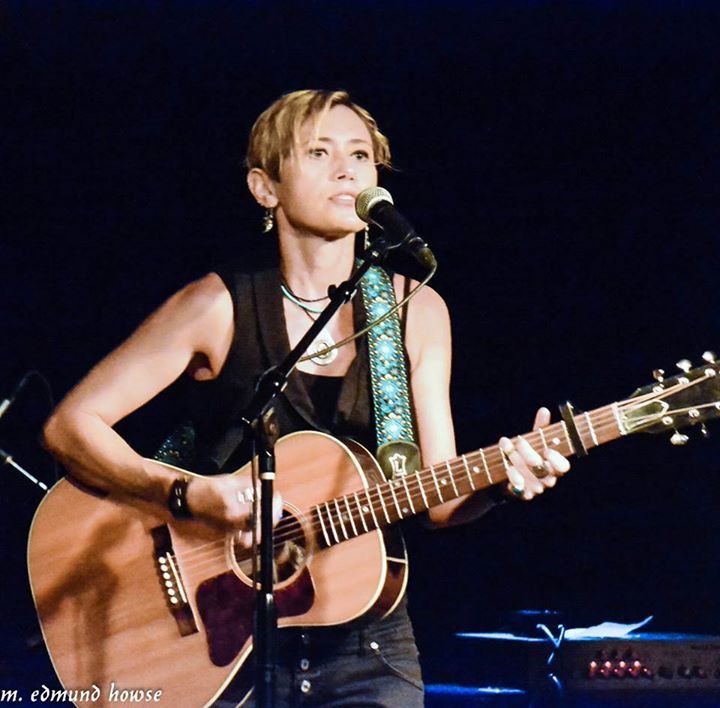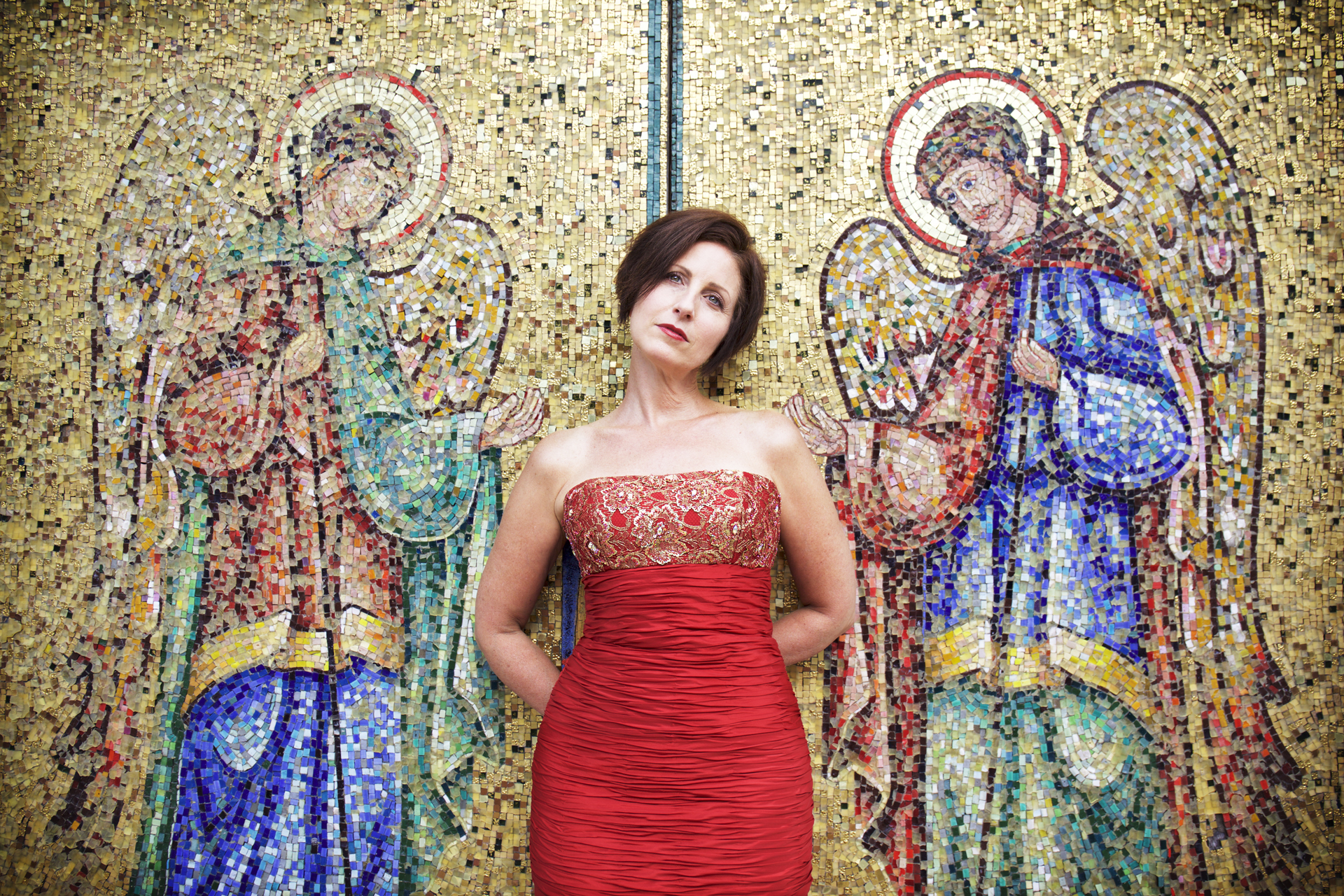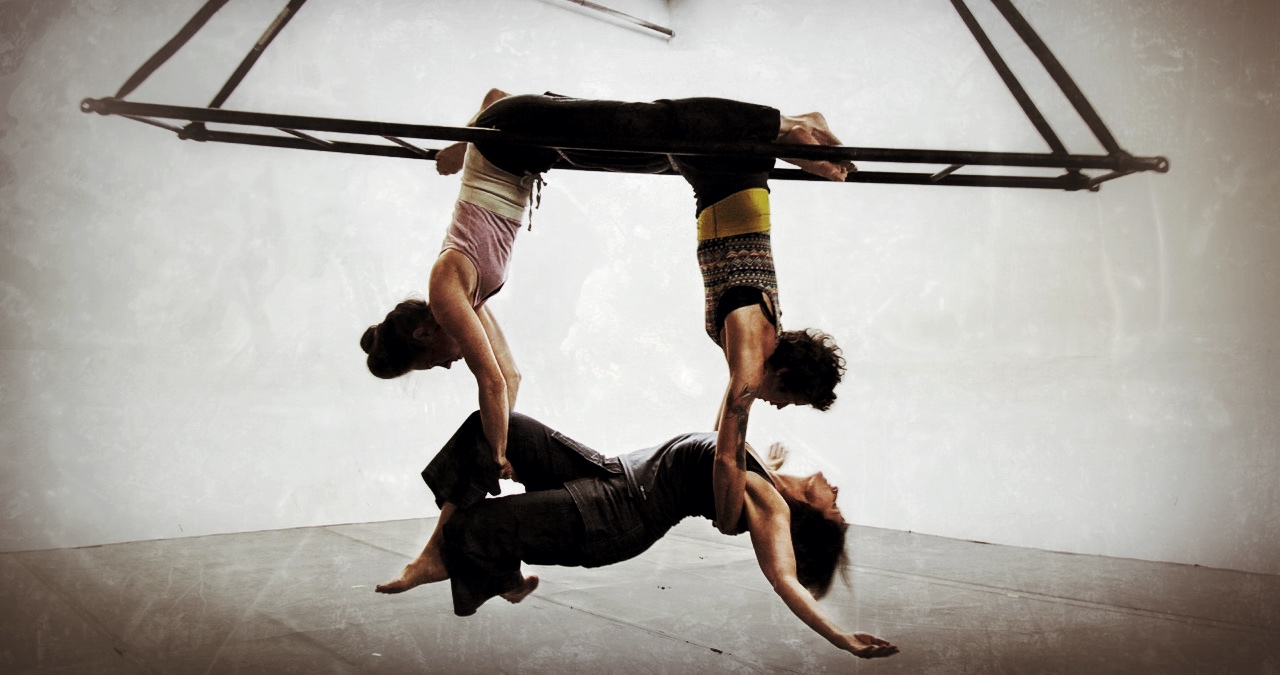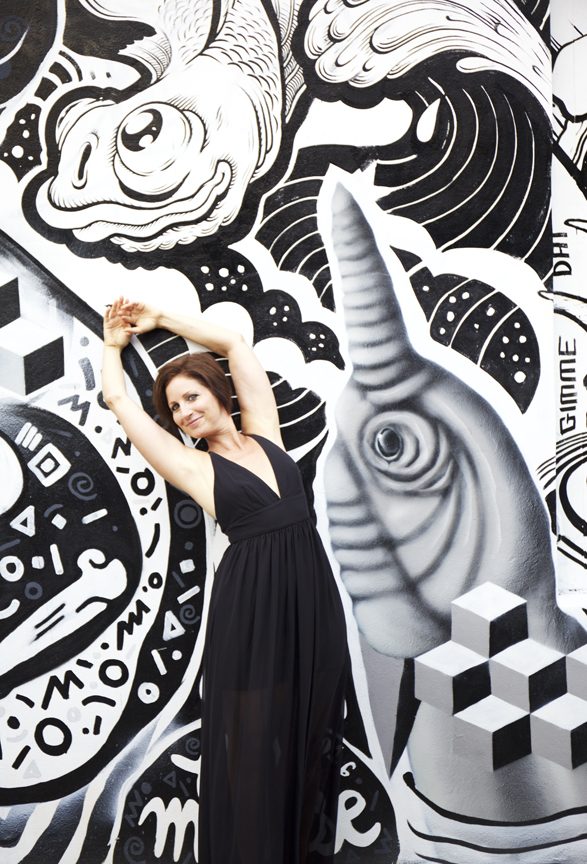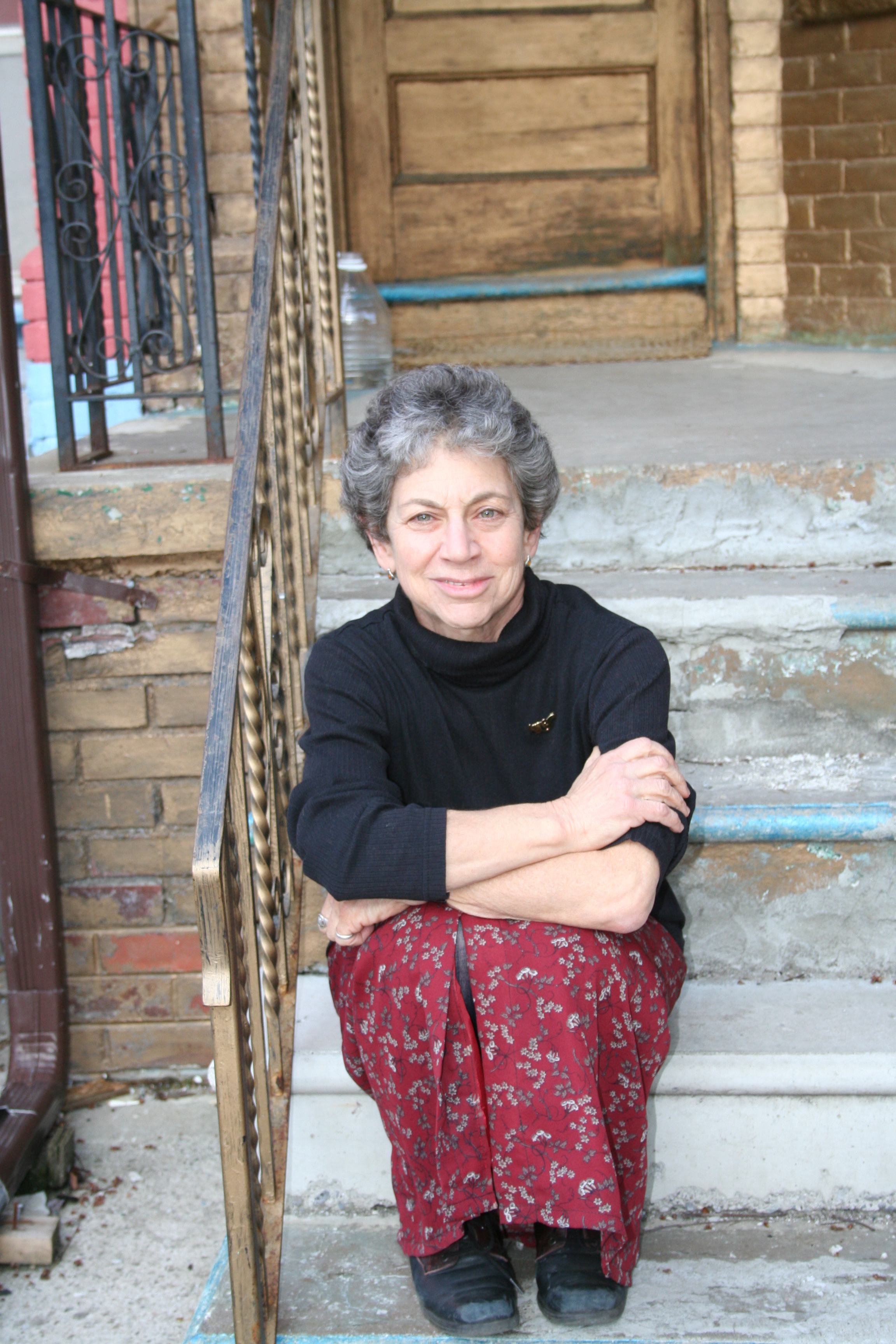
ELLEN S. JAFFE: POET, WRITER, PSYCHOTHERAPIST, TEACHER, DIAGNOSED WITH CANCER, HAS NEW BOOK ‘THE DAY I MET WILLIE MAYS AND OTHER POEMS,’ AND STATES, “WRITING THE POEMS ABOUT MY DIAGNOSIS AND ILLNESS, AND THE FEARS OF DYING IT INEVITABLY EVOKED, HELPED ME COPE BETTER WITH THE SITUATION, BY PUTTING IT INTO WORDS”… A REVIEWER INTERVIEWS PEOPLE IN THE ARTS

JAMES STRECKER: Please tell us about one or more projects that you have been working on or have recently completed. Why exactly do they matter to you and why should they matter to us?

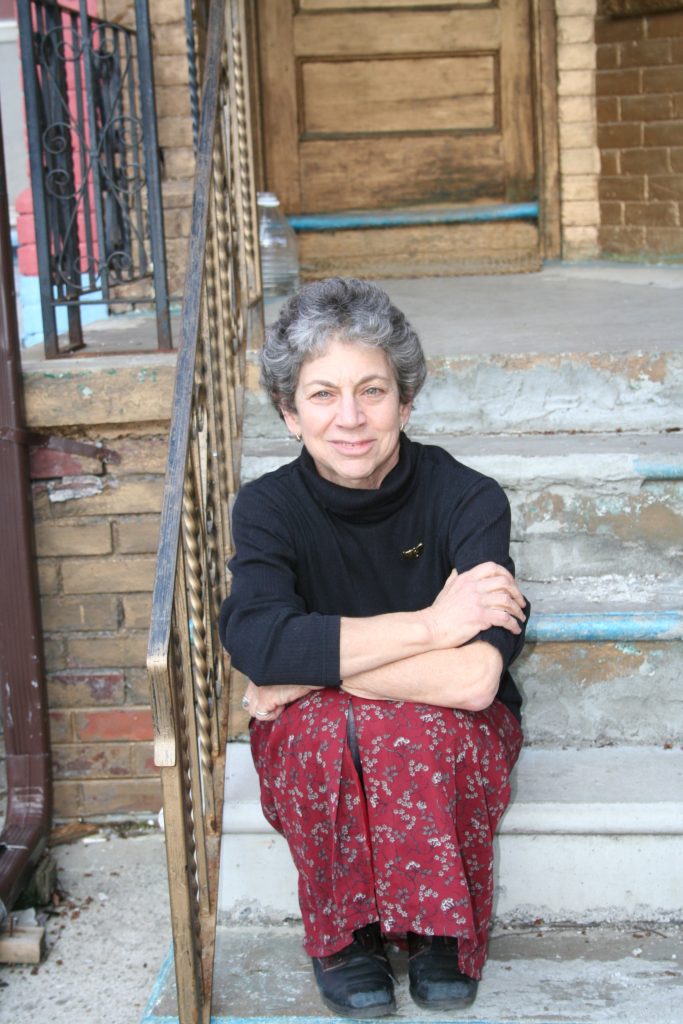
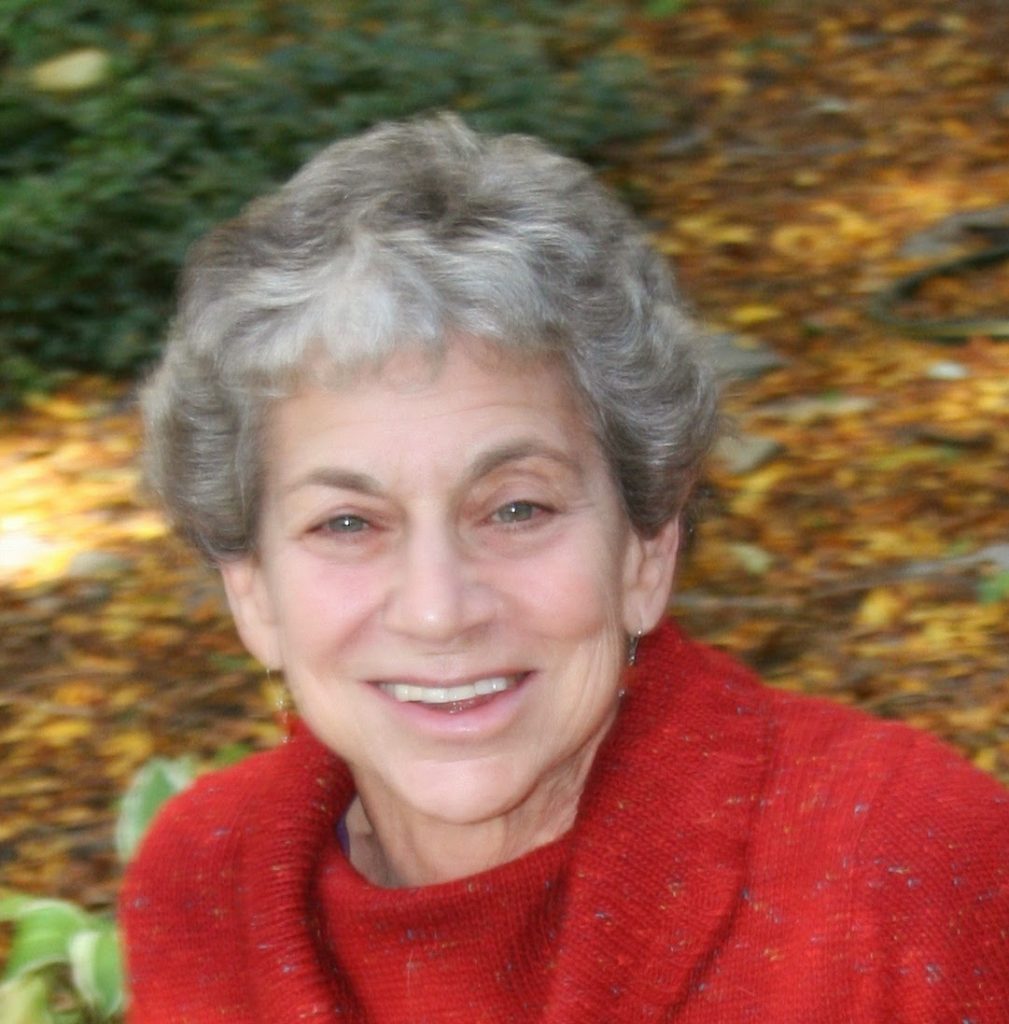
ELLEN S. JAFFE: I have just finished my third poetry collection, The Day I Saw Willie Mays, and Other Poems. I started putting the manuscript together in the autumn, helped by a Recommenders Grant for Writers from the Ontario Arts Council (recommended by Guernica Editions, who published my earlier collection, Skinny-Dipping With the Muse.) I was, however, diagnosed in February with esophageal cancer, for which I am still receiving treatment. Not knowing how much (or little) time I had left, I decided to self-publish the book with my colleague Lil Blume, through our occasional publishing company, Pinking Shears Publications.

I included many poems I had been working on for a few years, some of which have been published in journals. Then, in a burst of intense writing, before starting treatment (about six-eight weeks), I wrote a series of new poems, “After the Diagnosis.”I also included several poems written after my move to Toronto in August 2018, as well as a set of poems inspired by photographs by Karin Rosenthal (a photographer I have known since university); Karin and I had been discussing this project for several years and decided now was the time..

It was important to me to create and design this book and see its publication, and to know that these poems are out in the world. It is meaningful to see people’s responses to the poems and to know that these personal words and images also speak to others. The newer poems and many of the older ones deal with the uncertainty in life, what we know and what we don’t know. I felt I took some important risks in this book, in terms of both passion and language.

JS: How did doing these projects change you as a person and as a creator?

ESJ: Writing the poems about my diagnosis and illness, and the fears of dying, it inevitably evoked, helped me cope better with the situation, by putting it into words, and also — in several of the poems — took me to new places of love, courage, and more positive feelings than I would have thought possible when I began writing. For example, the poem “Waiting,” which begins with imaginary news flashes saying “You Are Going to Die” ends with “You Are Here/Now…You Are.”

I also felt that many of these poems, including the more political ones (e.g. “Breaking Boundaries” and “Luggage at Eight Years Old”) came from a more spontaneous and passionate place than I have felt for a while — going back to my earlier writing experience, and this felt good. I was also writing in my new home, which I share with my partner: he has encouraged my writing since we met, and it was good to be able to work in this new space and share my reflections on the creative process with him.

JS: What might others not understand or appreciate about the work you produce or do?

ESJ: That’s an interesting question. I usually hear more about the responses of people who do understand and appreciate the poems. I think I can be more outspoken in writing than in ordinary life, and I sometimes wonder if that disturbs people — but then, good writing should disturb and move people. I also think that some people (often because of educational experiences as children and teens) are wary of poetry because they think it is too abstract, remote, “fancy,” with too many rules; when they hear good modern poetry (by any writer) and see how the words relate to their own lives and feelings, they begin to respond more positively.

JS: What are the most important parts of yourself that you put into your work?

ESJ: 1) Family history, especially my Eastern-European-Jewish background, which connects me to my great-grandmother, whom I knew, and also to her parents and other relatives I was too young to meet. I also feel (and grew up with) the sense that it is important to do something to make the world better. In Judaism, the expression for this is “Tikkun Olam.” In the new book, I also deal with some problematic elements of growing up, including both emotional issues in the family and living a fairly privileged life in New York City while becoming aware of poverty and discrimination around me (and which, as Jews, we would have felt in Europe if my relative had not immigrated to the U.S. around 1900).

2) Love and relationships.

3) Awareness of growing old, illness, dying and grief for family and friends who have passed away.

4) Chance meetings and encounters — being open to these surprises in everyday life.

5) Joys and concerns about nature and our planet dealing with massive climate changes.

JS: What are your biggest challenges as a creative person?

ESJ: Time to do everything (or many things): writing projects to complete, reading to do, readings to attend, as well as live my daily life — cooking, time with friends, long walks, etc. Especially now, later in my life and dealing with illness, it is important to set priorities — and realize you can do some things but not everything. Another challenge, of course, is just the continuing learning, making your writing better — stretching beyond the comfort zone into new territory of content and craft.
:
JS: Imagine that you are meeting two or three people, living or dead, whom you admire because of their work in your form of artistic expression. What would you say to them and what would they say to you?

ESJ: 1) Margaret Laurence, although she writes prose, not poetry (I also write fiction, and adapted one of Margaret Laurence’s books for young people, Jason’s Quest, into a play — with permission from her estate): I would ask about her view that writers are a “tribe” who care about and support each other, and about writing from painful and difficult experiences.

2) June Jordan, Afro-American poet who died in 2002; I worked with her in the late 1960s-early 70s in a writing group for kids in Fort Greene, Brooklyn, called “The Voice of the Children” but did not know her well. I would ask how she moved from that work into doing “People’s Poetry” in California, and how she was able to write both strong political/social poetry and strong love poetry. I don’t know what she would say to me; I hope we would have some things in common to talk about. She also wrote prose; I think many writers are multi-genre, finding the form that suits the current work best.

3) John Donne: I fell in love with his poetry when I first read it in high school, and would also like to meet him as he is from a very different time and context. I am not sure what we would say to each other, but I think (perhaps wrongly) he would be charismatic and interesting.

4) Joy Harjo is a Native American poet whom I would love to meet and work with in a workshop — I admire her poems and view of the world.

JS: Please describe at least one major turning point in your life that helped to make you who you are as a creative artist.

ESJ: Two of the major turning points involved change of place: moving from New York to England in 1972, for a year’s fellowship that turned into 7 years, studying child psychotherapy and also writing and beginning to get published. The move took me out of my home country into a very different environment, at a time when the world was in a period of tension and change because of Vietnam and other events.

Then, moving to Canada in 1979, to marry my (then) partner. This turned out to be the move to a country where I feel at home and welcomed. I had my son here in 1980, and soon began to do more writing and become part of a writing community. We lived in Woodstock, Ontario, a fairly limited community; and fortunately bill bissett did a year-long writer-in-residence at the Woodstock Public Library; I was part of his weekly writing group and not only learned a lot about writing, but became friends with bill and this helped me feel part of the larger world of Canadian writing. And moving to Hamilton in 2000 really gave a jump-start to my writing and being published, and connections in Hamilton, Toronto, and across Canada — as well as making many friends there. I have kept up these connections even after moving to Toronto in 2018 to live with my partner, who I have known since 2001 and who has whole-heartedly supported my writing.

JS: What are the hardest things for an outsider to understand about your life as a person in the arts?

ESJ: I think the focus and attention that one has to give to a creative project while you are working on it (my ex-husband, for example, found that difficult to deal with, as well as my growing friendships with other writers, both male and female). My current partner, although writing and art is not his life-work, has done both creative and scientific work and understands the need to “go to my office and write for a while.”

JS: Please tell us what you haven’t attempted as yet that you would like to do in the arts? Why the delay so far?

ESJ: I would like to do more play-writing and work in theatre; this is one of the paths that I didn’t pursue with as much diligence as I could have done. I have written plays, and directed one of my own short plays — that was a wonderful experience, where I learned more about the non-verbal aspects of theatre, something that has always attracted me. I like the communal work in theatre — but I have tended to work more on poetry and fiction, perhaps because it is harder and takes more rigorous time to both write and produce a play than to work on your own (and with editors) on other genres. If I were younger, this is something I would pursue with more energy. I am, however, working on a play about two people who fall in love in a home for seniors — so you never know.

I would also like to do a sequel to my y/a novel, Feast of Lights; I have ideas for it and have started writing a few times, but get side-tracked. Maybe I will go back to this project, in some form.

In my non-writing career, I have worked as a child and adult psychotherapist, and this has given me more insight into how people think, feel, talk, and look. I have also been able to help my clients see their lives as ongoing stories they can write and re-write, and also used literature to help them get some perspective on their lives and situations. If I had had a completely different career, it might have been in biology — like Jane Goodall observing chimpanzees, or understand the workings of the brain.

JS: If you could re-live your life in the arts, how would you change it and why?

ESJ: See some of the comments to the previous question.

JS: Let’s talk about the state of the arts in today’s society, including the forms in which you work. What specifically gives you hope and what specifically do you find depressing?

ESJ: I think it is a good sign that more young people are interested in both writing and performing poetry, and that poetry is becoming more of a spoken as well as written art-form. It does give me pause to see young people reading from their cell-phones during readings, as I still like the feel of paper, but I know they are comfortable with text on the phone. Traditional publishing is changing, with more opportunities for self-publishing and a variety of reading venues. I am also very encouraged by the diversity of writing, especially in Canada, with more opportunities for Indigenous writers and artists as well as people who have chosen to come live in Canada. It is important to hear all these different voices. Managing money and time is still a major issue for artists (as for most of us), and I have been fortunate in having support from my family, not told to “get a real job” (though, as mentioned above, I have worked in other fields).

JS: What exactly do you like about the work you create and/or do?

ESJ: 1) Since childhood, I have loved words, loved putting them together into images, forms, poems, stories, even school reports and writing “assignments.” There is something that nurtures me and makes me feel more whole when I am writing.

2) I love teaching, both adults and children, and find that — despite my doubts about being able to do this — I have an aptitude for helping people find and express their own voices in writing — even (especially) people who felt they had no voice, and no way of talking about their feelings. I love opening these doors for people. One woman told me, “After years of not having a voice, I’m finally finding my voice!” I have also done some projects with students in grades 3-8 (both Jewish and non-Jewish) writing about the Holocaust, and was moved to tears by some of their writing and the way they engaged with the subject.

3) Writers are like con-people in a good way: we create worlds and characters, and ask you to “pay” for them with your time, attention, and caring. We do not promise to cure things, but to open people’s hearts and minds — including our own.

JS: In your creative life thus far, what have been the most helpful comments you have heard about your work?

ESJ: Hard to list specific comments. I have been grateful for the generous support and encouragement from editors who believed in my work (“Just write!”) and who also made helpful specific comments about individual lines or the shape of a poem. I am also touched by the support of the writing community for people like myself going through difficult health and other personal issues, and the sense of an evolving literary community.

JS: Finally, what do you yourself find to be the most intriguing and/or surprising things about you?

ESJ: I am taller when I write, and read my work aloud at readings. (Thanks, Lil Blume, for urging me to “read tall.”)

I love being a mom and would like to be a grandmother. This wish is being fulfilled as my son’s partner has two sons, and the younger one (age 11) is coming to live with them in their new home in B.C. I met this young boy last December and really liked him and the way he and my son get along together. And he asked me about my writing: “Do you use onomatopoeia in your poetry?” I do, I replied — but where did you learn about that? “We studied poetry in school.” So, there is hope for younger poets.

Actually, when I have taught writing in schools, it is often the boys who respond with both emotion and energy, surprising themselves. Another intriguing thing that most people do not know is that I have studied Shamanic healing, and done some healing journeys for people. Like writing, you do not know where these journeys will lead when you start out, but they take you to interesting and amazing places.
Posted in Uncategorized | Tagged , , , | Leave a comment

ALLISON ELIZABETH BURNS: CHOREOGRAPHER-DANCER BRINGS “THE KEY TO TIME TRAVEL” TO DANCE: MADE IN CANADA / FAIT AU CANADA (AUGUST 14–18, 2019 AT THE BETTY OLIPHANT THEATRE) AND EXPLAINS “I MAKE DANCES TO EXPLORE AND EXPRESS COMPLICATED IDEAS AND FEELINGS IN A VISCERAL WAY. JUST BECAUSE WORDS FALL SHORT DOESN’T MEAN WE CAN’T ACCESS THESE PLACES INSIDE EACH OTHER AND OURSELVES”…A REVIEWER INTERVIEWS PEOPLE IN THE ARTS

Photo by Pat Holloway

“The Key to Time Travel (Toronto Premiere) is a theatrical duet inspired by the groove, strength, and shape of breakdance. It treads the brilliant borderland between reality and magic, as the dancers travel through time by dropping memory markers/keys in specific moments in the past, present, and future.”

JAMES STRECKER: Please tell us about one or more projects that you have been working on or have recently completed. Why exactly do they matter to you and why should they matter to us?

ALLISON ELIZABETH BURNS: When creating, I love to work with a magical idea that explores a very real part of the human experience. For example, the mystical power of womanhood as witches; equating living in the moment to living forever; time traveling through memories and projections of the future. I make dances to explore and express complicated ideas and feelings in a visceral way. Just because words fall short doesn’t mean we can’t access these places inside each other and ourselves. We all learn and process things in a different way. I am offering another method of communicating and connecting.

JS: How did doing these projects change you as a person and as a creator?

AEB: I have become clearer in my vision in the last three years. Each project that I take on tells me more about what I find interesting about dance and observing bodies. It tells me more about what subjects inspire me, what things are not only on my mind, but tucked into my body. In some way or another, all my recent works deal with love and death. My beloved father recently passed away after a long, valiant battle with a life-long illness. I want to create a feeling of safety through these difficult journeys. For myself, but also for the audience and my collaborators. Integrating magical themes while tying them to real struggles is my way of doing that.

JS: What might others not understand or appreciate about the work you produce or do?

AEB: I pack my work full of symbols. I like starting with research, books, pictures, and videos. I want the content, the dance vocabulary, to be as relevant as possible. For example: beating hearts, crowns, snakes, the hands of a clock. I often wonder (and ask) if the individual symbols come across, or only add to the general impression of the work. It is not important to me that the observer sees all the elements at play, but I am always looking to hone my ability to communicate through my choreography. Does my goal match what is coming across?

JS: What are the most important parts of yourself that you put into your work?

AEB: Emotions. I feel very vulnerable when I am at the stage of my work where I understand what emotions my performers need to be expressing. It feels vulnerable because it is often unclear and layered. I work collaboratively with my cast, so I start with a theme and some ideas and exercises, but who they are and how they relate to what we are exploring together shapes their characters and the structure of the work. Once I see where the journey is going, we can talk about strategies for them to honestly invest emotion in the performance. The emotional element creates the opportunity for the audience to mirror the feelings of the performer(s), which for me is more valuable than a logical understanding.

JS: What are your biggest challenges as a creative person?

AEB: Time. Time is our most precious non-renewable resource. The more time I need to spend in other places, the less I have to create, research, train, and seek opportunities. This is unfortunately intertwined with money.

In a less pragmatic sense, infusing my work with honest emotion is the biggest challenge. It’s also the most important!

JS: Imagine that you are meeting two or three people, living or dead, whom you admire because of their work in your form of artistic expression. What would you say to them and what would they say to you?

AEB: I feel very fortunate to have had many mentors share their time and guidance with me over the course of my career so far. One choreographer whom I admire, but have not yet met, is Crystal Pite. I would also love to have had a conversation with Pina Bausch while she was still with us. I would want these women to know how much their work has moved me, and inspired me. I know they are both determined, hard-workers, and trailblazers, and I imagine we would talk about that too. You can have the gift without the tools to turn it into action, and these women had both. Someone who knew Pina once told me that she would find my tiny ears an indicator of intelligence, I would like to ask her to size up my ears herself.

JS: Please describe at least one major turning point in your life that helped to make you who you are as a creative artist.

AEB: At the beginning of 2016 I was on an adventure in Costa Rica with my mother and sister. It was an eye-opening experience that championed self-care. Upon returning home I suddenly developed a very low tolerance for wasted time. I began by eliminating useless things from my life and running full speed to fill my life and time with things and people that I love. My career blossomed because I was taking care of the details, and the big picture evolved in a significant way. I moved back to Ottawa, started creating more often, increased my physical practice, and sought new opportunities. All the works I described above were created after this trip.

JS: What are the hardest things for an outsider to understand about your life as a person in the arts?

AEB: Honestly, my finances. I believe in proper compensation for artists, and I am hooked on initiating projects. This means I self-fund a lot. It is not a sustainable path, and I know things need to change.

JS: Please tell us what you haven’t attempted as yet that you would like to do in the arts? Why the delay so far?

AEB: Building singing into my work. This is a new domain for me. I spent the majority of my life resigned to the idea that I would never play an instrument well, after attempting to learn a few. Only as an adult did I decided to learn to use my primary creative tool, my body, as my instrument. I have been taking private singing lessons to develop my voice, and an understanding of what I can do with it. I would love to be able to incorporate it into my work one day. I think that is still quite a few years away though.

JS: If you could re-live your life in the arts, how would you change it and why?

AEB: I see my journey in the arts as a balancing act between comfort and risk taking. There have been times in my life where I prioritized a steady job over an artistic pursuit. I try to make the right choices day to day, but I think I could have handled making riskier choices more often.

JS: Let’s talk about the state of the arts in today’s society, including the forms in which you work. What specifically gives you hope and what specifically do you find depressing?

AEB: There is more and more interest in (and proof of) the power of the human body, and the connections between us. I think dance very elegantly approaches these ancient truths that are finally being verified and validated. I for one have used dance to “self medicate” and heal from trauma. Dance builds communities and confidence in individuals. I have hope that the many ways in which dance is valuable will become more and more apparent in the mainstream, and it will be valued unquestionably by our society.
I am upset by the financial landscape of dance in Canada. Audience members, the general public, and artists alike have seemed to accept that being a dance artist means struggling to get by. We need a new system following a new frame of mind.

JS: What exactly do you like about the work you create and/or do?

AEB: I like making new connections between ideas. When choosing a subject for a new piece, I do a lot of research, and what I learn often surprises me. Then I can unite disparate concepts by using bodies and relationships. The end result is a work that transmits feelings that are hard to describe with words. That’s my favourite.

JS: In your creative life thus far, what have been the most helpful comments you have heard about your work?

AEB: Any comment that tells me whether I am achieving my goals. I always show early versions of my work to mentors and colleagues. I ask them what they saw and weigh that against what’s in my head. Then I course-correct. It is a bit painful, especially when some of my favourite moments aren’t reading. But it’s an invaluable process.

JS: Finally, what do you yourself find to be the most intriguing and/or surprising things about you?

AEB: That I am still doing this. No other member of my immediate family is an artist. I was not the top student in my ballet class. There are so many struggles in this field. Yet, I continue to dance, make dances, and support other dance makers.

Posted in Uncategorized | Tagged , , , | Leave a comment

RIHAB CHAIEB: CANADIAN-TUNISIAN MEZZO – AUGUST 1 AT THE TORONTO SUMMER MUSIC FESTIVAL – DECLARES, “HUMANITY WANTS TO BE MOVED AND TOUCHED, EVEN DURING A TECHNOLOGICAL REVOLUTION, WHEN EVEN OUR EMOTIONS HAVE BEEN SOMEWHAT DIGITALIZED. READING ON AN IPAD IS GREAT, BUT THE FEELING OF READING A REAL BOOK WITH REAL PAGES IS MUCH BETTER, ISN’T IT? THE FUTURE OF THE ARTS IS NOT THE DEATH OF ITS ANCESTORS” …A REVIEWER INTERVIEWS PEOPLE IN THE ARTS

JAMES STRECKER: Please tell us about one or more projects that you have been working on or have recently completed. Why exactly do they matter to you and why should they matter to us?

RIHAB CHAIEB: I am happy to be keeping busy with a few projects dear to my heart. From January until the end of July, I have been lucky to be singing an – almost – all Mozart repertoire, ranging from Zerlina, Cherubino, Dorabella, and even singing Mozart himself in the world premiere of “The Phoenix” in Houston, an opera on the life of Mozart’s main librettist, Lorenzo DaPonte. Of course, my first Mahler song cycle (Das Lied von der Erde) with orchestra at the Toronto Summer Festival is also a project that has kept me happy and fed my soul whilst learning it. But my biggest project is yet to come, and that is my first Carmen, which will be happening in Cologne in the fall and winter.

JS: What might others not understand or appreciate about the work you produce or do?

RC: Most people do not see that behind the “glamour” lies an incredible amount of hard work and, most of all, a large amount of time spent alone in your solitude. Being a singer is to be a loner on the road, staying in someone else’s apartment, adapting to different languages and different personalities every 2 months or so, and everyone just expects you to be in top shape at all times. It is definitely a certain lifestyle that compares to nothing else in the world. We need to make connections very fast, and hence I have met some of the most important, talented and wonderful people in my professional and personal life doing this incredible job.

JS: What are the most important parts of yourself that you put into your work?

RC: My entire self. This work is a three-dimensional workload. It is mental, physical, emotional, spiritual journey.

JS: What are your biggest challenges as a creative person?

RC: As a creative person, I want to do EVERYTHING. All things. All the arts. I want to paint, draw, sing, learn the cello, be a videographer, a photographer, a digital marketer, a publicist, a bar owner, an agent, a stage director, a casting director, a gallery owner, and also, I want to own my own vineyard. You see the problem here?

JS: Imagine that you are meeting two or three people, living or dead, whom you admire because of their work in your form of artistic expression. What would you say to them and what would they say to you?

RC: 1- Do you care if the trill starts from above or below?”
2- Did you compose this to be followed exactly or did you mean for personal liberties to be taken by the singer?
3- What were you on to write this glorious piece of divine music?

JS: Please describe at least one major turning point in your life that helped to make you who you are as a creative artist.

RC: When I got my first professional gig ever (after rightfully auditioning for the part), the head of opera studies at my school bluntly told me that I shouldn’t have gotten it because he thought I wasn’t good enough. It sparked that magical/scary reaction of “We shall see!”. I have always been very thankful for that moment, and for the lack of support I got from this person.

JS: Please tell us what you haven’t attempted as yet that you would like to do in the arts? Why the delay so far?

RC: You know, as a kid, I was always so excited about everything! I had a hard time choosing between hobbies because I wanted to do them all! Sports, painting, music… they all fed my soul. I am so happy with what I do right now because it nourishes me and gives me the possibility to share my craft with others whilst being on stage. I do not like to close myself too much this early in my career, but I love the idea of wanting to do everything, like when I was a child. Directing, artist management, casting, maybe even having my own opera festival somewhere in Tunisia or in Canada. Who knows?

JS: If you could re-live your life in the arts, how would you change it and why?

RC: I wouldn’t. Everything has led me here, where I was meant to be. I know it sounds obnoxiously esoterica, but it’s true.

JS: Let’s talk about the state of the arts in today’s society, including the forms in which you work. What specifically gives you hope and what specifically do you find depressing?

RC: You know, an art form that hasn’t died for over 400 years is not going anywhere. I mean, if it was meant to die, it would’ve died a long time ago, no? That’s why you still have to wait 2.5 hours to see the minuscule Joconde at the Louvres, the MET art museum gala is THE hottest event of the year, Sarah Jessica Parker is on the board of directors of the New York City Ballet, and people are still willing to create, perform, and pay for opera, which is the most expansive of all art forms. Why? Because the desire to be touched hasn’t died. Humanity wants to be moved and touched, even though a technological revolution, where even our emotions have been somewhat digitalized. Reading on a Kindle or an iPad is great, but the FEELING of reading a real book with real pages is much better, isn’t it? Watching new movies with CGI is great, but nothing will replace Breakfast at Tiffany’s or a Hitchcock. The future of the arts is not the death of its ancestors.

JS: What exactly do you like about the work you create and/or do?

RC: I love being in the rehearsal process so much because it gives me the possibility to try different things with the character I am playing. It is always all about balance, but for balance to be found, you need to spill on one side and then on the other and eventually you find the perfect balance for you, the director and the conductor. Sometimes you have a wonderful director who will trust you and your skills, and give you the freedom and space to find your way in his vision.

JS: In your creative life thus far, what have been the most helpful comments you have heard about your work?

RC: 1. You need to filter the “white noise”, i.e. advice that has not been asked for
2.Trust only a handful of people i.e. your “president council”
3.Trust your gut
4. And don’t wear high heels that are too high

JS: Finally, what do you yourself find to be the most intriguing and/or surprising things about you?

RC: When on the road, in my everyday life as an opera nomad, I try to learn a new “hobby.” I have gathered a surprising number of different skill sets that aren’t limited to just singing and acting. When I was in Sicily for language lessons, I became a certified scuba diver. My last time in Glyndebourne, I decided to learn golf. Houston was sailing. Whenever I have some time, I love learning new things and new skills that broaden my “life repertoire,” make me happy, keep my body and my brain fit, and ultimately makes me a better singer and performer.

Posted in Uncategorized | Tagged , | Leave a comment

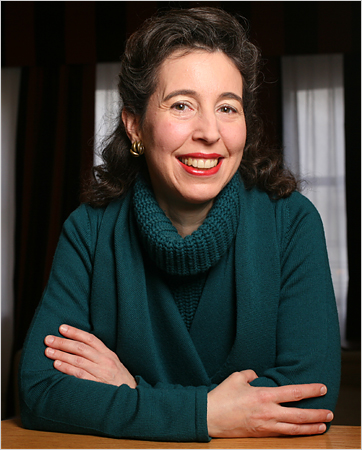
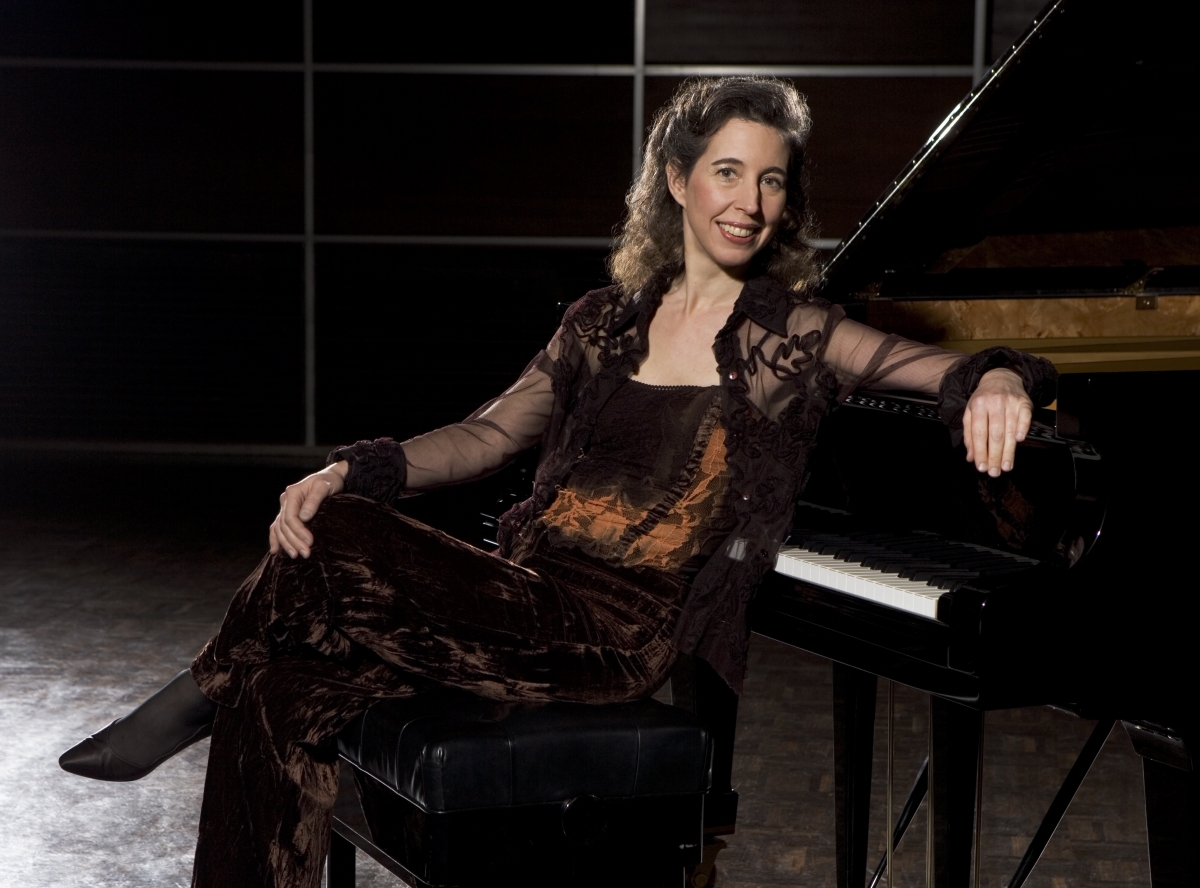
ANGELA HEWITT: JULY 30 AT TORONTO SUMMER MUSIC FESTIVAL, ‘THE PIANIST WHO WILL DEFINE BACH PERFORMANCE ON THE PIANO FOR YEARS TO COME’ EXPLAINS, “I NEVER STOP. PEOPLE PROBABLY THINK, ‘OH HEWITT AND BACH: SHE MUST KNOW THAT BY NOW!’ BUT I DON’T TAKE ONE NOTE FOR GRANTED, NO MATTER HOW OFTEN I’VE PLAYED A PIECE IN THE PAST.” …A REVIEWER INTERVIEWS PEOPLE IN THE ARTS

JAMES STRECKER: Please tell us about one or more projects that you have been working on or have recently completed. Why exactly do they matter to you and why should they matter to us?

ANGELA HEWITT: Since September 2016 I have been on my “Bach Odyssey,” performing all the major solo keyboard works of J.S. Bach around the world. It takes 12 recitals, and it was supposed to be 3 recitals each season, but at the moment I find myself with 6 of those all at once within the space of a few months (two mammoth recitals with the complete Well-Tempered Clavier; the complete Toccatas, the complete English Suites and other works, and the Goldberg Variations). If you are familiar with the music, you can perhaps start to imagine what that means (i.e. a lot of work!). It’s not often that one person performs the complete works in such a short time, and of course they are all pieces I recorded from memory between 1994 and 2005 (with the exception of the Art of Fugue which I did in 2013). So, I think it’s quite a unique event, not just for me but for the people who come and listen to the concerts. It’s wonderful to be reminded time and time again what a genius Bach was and how emotionally fulfilling his music can be. At the same time, I am finishing my cycle of all the Beethoven Piano Sonatas for my record label, Hyperion. That has taken me something like 14 years. It gives me huge satisfaction to know I just have one sonata left to learn—even if it is “only” the huge “Hammerklavier”, Op. 106.

JS: How did doing these projects change you as a person and as a creator?

AH: They keep me busy and keep me on my toes. There’s no room to hide in this music. You have to still practise it like mad. So, I’ve kept up my standards and even improved on them. Working on both Bach and Beethoven all the time makes you a better musician every day.

JS: What might others not understand or appreciate about the work you produce or do?

AH: How much work it takes. I never stop. People probably think, “Oh Hewitt and Bach: she must know that by now!” But I don’t take one note for granted, no matter how often I’ve played a piece in the past.

JS: What are the most important parts of yourself that you put into your work?

AH: Everything. Heart and mind in equal measure. Plus, it’s hugely physical. A concert pianist really has to look after him/herself to keep going and to keep in shape. Lots of massages, stretches, osteopathy, walking….

JS: What are your biggest challenges as a creative person?

AH: To find enough time to do everything I want before I get even older. Mind you, I haven’t wasted one second of my life, so it’s not like I have to make up for lost time. Just that there is so much beautiful music written for the piano. Actually, the hardest thing at the moment is trying to decide what I want to play in 2-3 years’ time. Concert promoters always want to plan that far in advance, and are bugging me already about programmes for 2021 and 2022. At the moment I just want to get the Bach and Beethoven projects finished and then collapse in a heap for a few weeks (days??!!)!

JS: Imagine that you are meeting two or three people, living or dead, whom you admire because of their work in your form of artistic expression. What would you say to them and what would they say to you?

AH: Oh, I don’t know…. I know people often ask this question, but you know…. when pianists get together, they usually talk about practical things like hotels, good and bad pianos they’ve encountered along the way, conductors (also good and bad!), and food. Of course, if Bach were around, there’s lots I would ask him about tempi and articulation. Probably just to hear him play would be enough. He would no doubt be amazed at somebody like me who has performed in public all his keyboard works—something never done in his day.

JS: Please describe at least one major turning point in your life that helped to make you who you are as a creative artist.

AH: When I began my piano studies with French pianist Jean-Paul Sevilla at the University of Ottawa. I was 15 years old, and he opened up to me the whole world of the piano repertoire—most of which he could play himself. French music figured largely, of course, and I am indebted to him to this day for passing on to me his love and knowledge of that very particular repertoire—much of which I’ve recorded (Ravel, Faure, Debussy, Chabrier, Messiaen).

JS: What are the hardest things for an outsider to understand about your life as a person in the arts?

AH: That I don’t mind being alone so much. A pianist has to be able to stand being alone—all those hours practising, travelling, doing business—but that in the end you actually like it and it becomes a way of life.

JS: Please tell us what you haven’t attempted as yet that you would like to do in the arts? Why the delay so far?

AH: Learn the Hammerklavier Sonata by Beethoven, as I said above. I’ve left the biggest one for the last—also because I’ve never really liked listening to that piece—it always seems so ugly. But I trust Beethoven and I’m sure when I get round to it, I will love it—as has been the case with his last Sonata, the Op. 111, which I just learned and performed for the first time. I used to hate hearing Op. 111 in all the piano competitions I did as a young pianist—usually banged to bits and often boring. Now I adore it and just to think about it has me in tears.

JS: If you could re-live your life in the arts, how would you change it and why?

AH: I wouldn’t change a thing. I’ve been happy with how my life has worked out. And I’ve shaped my career in the way I wanted it—not allowing myself to be pushed into anything I wasn’t comfortable with by publicity people or agents.

JS: Let’s talk about the state of the arts in today’s society, including the forms in which you work. What specifically gives you hope and what specifically do you find depressing?

AH: I think people still want to go to exciting live performances. I get wonderful audiences in many parts of the world, especially at my Trasimeno Music Festival that I hold in Umbria, Italy every summer. Nothing can match hearing great music well performed in breathtakingly beautiful historic venues. But I think it’s important for the artist to have contact with their audience. It’s no good to be aloof and distant. In Asia there is a huge and very young audience for classical music. So, there its future is not in doubt. Unfortunately, the music world is also a big business, and one often wonders how some artists have managed to make a big name for themselves. But I think it was forever thus. I hope that the many gifted young artists who are just beginning their careers will still have many opportunities to perform—and if not, they just have to somehow create their own!

JS: What exactly do you like about the work you create and/or do?

AH: It keeps me busy and out of mischief. And gives enormous pleasure to people all over the world. I like to see people moved after a performance—if they’ve been crying, then that’s the best!

JS: In your creative life thus far, what have been the most helpful comments you have heard about your work?

AH: My record producer from Germany, Ludger Böckenhoff, is very strict with me in recording sessions. We’ve worked together for 25 years. He can say something is good (and also why), and also tell me what needs improving. We listen to each take of a piece together—in fact we spend just as much time listening during a session as playing. Thanks to him, I always come out of a recording session feeling that I’ve done my best at that particular time. We inspire each other, and never settle for something which is just OK.

JS: Finally, what do you yourself find to be the most intriguing and/or surprising things about you?

AH: That after 58 years of playing the piano, I’m still going strong and not giving

Posted in Uncategorized | Tagged , , , , , , , | Leave a comment

DANIEL TAYLOR: JULY 18 AT TORONTO SUMMER MUSIC FESTIVAL, ACCLAIMED COUNTERTENOR (“BEAUTY OF HIS VOICE WILL STOP YOU IN YOUR TRACKS.”) CROSSES NATIONAL BORDERS AND SPANS CENTURIES & DECLARES “ACCEPTANCE OF VULNERABILITY AND OF NOT KNOWING IS ESSENTIAL FOR GROWTH.”… A REVIEWER INTERVIEWS PEOPLE IN THE ARTS

JAMES STRECKER: Please tell us about one or more projects that you have been working on or have recently completed. Why exactly do they matter to you and why should they matter to us?

DANIEL TAYLOR: Jean Vanier reminds us that our meaningful actions can be put at the service of the divine and of love. There is a project close to my heart that was born from a trip I took a few months ago. I travelled to Africa with a delegation on a mission for Education and Health, and similar to my time in South America, I was a witness to and confronted by abject poverty, tremendous courage, and hope. I met with women at a clinic who have experienced obstetric fistulas and who, having been rejected by their community, have been taken in by the RAM Clinic and Foundation. I met with students dedicating their life to sharing their music across the globe.

On these trips, I was asked to sing recitals for the Presidents in major outdoor live televised events before traveling to both central and remote locations to teach. In the back of my mind, I have always wondered if there was something more I could do – something tangible. I have since been building a scholarship fund for studies in Early Music at the University of Toronto for African students (and for all students) to come to Canada to read music and I am interested in developing a national network of support.

Lastly, I have a major international recording with 20 musicians that is dedicated to children fighting cancer, a cause that two of my dearest friends – a doctor and his educator partner – have dedicated their lives to. Out of all my most recent recordings, I am drawn to this particular project because of its focus on children, birth, and death. I am keen to examine the intersections between music, health and prayer. It is our calling to transform what is not into what is that brings us closer.

JS: How did doing these projects change you as a person and as a creator?

DT: These projects have reminded me that collaboration is the indispensable quality of creativity. These experiences and the entire recording process – including researching the scores, travel and a lot of reading – influenced how I look at my life and aloneness, how I observe life in order to learn about my humanity and about the world.

JS: What might others not understand or appreciate about the work you produce or do?

DT: Beauty can be seen through more than one lens. Music can help us imagine and hope for a better future. Acceptance of vulnerability and of not knowing is essential for growth. Within the collaborative process, there is a sense of discovery that comes from working with a variety of individuals and that part cannot be seen in the final recording or product.

Every concert and every one of my recordings have represented hundreds of hours of work and are a testament to many, many kind and gifted individuals. The next three recordings continue our search for meaning. I believe music can heal and is a universal language.

JS: What are the most important parts of yourself that you put into your work?

DT: I think that would be my heart.

JS: What are your biggest challenges as a creative person?

DT: Well, I just put my heart into it, so next is my soul… they sort of go together, don’t they?

The next challenge is not being at home.

Then there is the idea of ‘existing in love and unlocking the prison of our egoism.’ When the doors are unlocked, others sometimes feel the need to come in uninvited and bring their suffering to us because they are full of fear. So, with being vulnerable, we open ourselves to criticism.

We then need to understand that when we provoke our listens to consider shifting their perspective, the listener can gain the ability to become empathetic and perhaps even to find purpose and meaning for what they do.

JS: Imagine that you are meeting two or three people, living or dead, whom you admire because of their work in your form of artistic expression. What would you say to them and what would they say to you?

DT: Friedrich Nietzsche, William Shakespeare – “I have a lot of questions”. They nod knowingly.

Jonathan Miller – “Please tell me more.” He nods knowingly.

Virginia Woolf and Arthur Miller – I would just listen.

JS: Please describe at least one major turning point in your life that helped to make you who you are as a creative artist.

DT: A few years ago, a family member experienced a life-changing injury that rendered him disabled. Now, one of our greatest challenges is to help him find a place in our society along with the proper support. There is an ‘othering’ that targets the disabled as well as other minorities such as the LGBTQ+ communities and undergirds disputes, conflicts, disease and hunger. Many are isolated and may feel like they will never be loved, but I find those who are disadvantaged have the possibility to show us how to love. If I seem less interested in the politics of our industry and of the endless chatter of a few of the university academics, this may be the main reason why.

A few other moments come to mind when I think of being an artist: my first concert with Jeanne Lamon leading Tafelmusik, the BBC Proms, the Met and singing at a Pow wow, Ralph Fiennes, Michael Chance and Dame Emma Kirkby. The Cirque du Soleil – very cool! There isn’t really one moment that I would point to – I am thankful for many of my friends and guides I have met on this journey.

JS: What are the hardest things for an outsider to understand about your life as a person in the arts?

DT: I am a flawed and weak person surrounded by a chaotic world, and I have lived long enough to know this. I recognize that there is a fragility in my singing, in my conducting, and in my teaching that leaves some people uncomfortable.

Vulnerability in performance, however, draws us to the performer. I am studying practice techniques that help colleagues, students and all of us be more truthful in the moment and speak our truth in a professional, dramatic and honest way.

I believe in building opportunities for my colleagues and students and I believe an experiential teaching model is vital. I also believe in my students and I do not and will not treat them as infants. I believe in their power and I work within the realm of understanding that positive boundaries outline what is explorable – the imagination and the human spirit can then lead them to achieve the extraordinary.

As a student, I struggled with illness and had to work to find balance. I worry that there is, at times, more harm than good being done in the name of education: increased pressures on students encourages further complexity and this complexity actually causes more suffering – there is a true epidemic of anxiety among today’s students. We need to find an improved vocabulary to communicate with one another.

JS: Please tell us what you haven’t attempted as yet that you would like to do in the arts? Why the delay so far?

DT: I think that the last moment of ambition I had was when I was a child and thought I had super powers and could jump walls. I ran into that wall back then. Sometimes, I hope that those walls aren’t there any more… but they may be.

JS: If you could re-live your life in the arts, how would you change it and why?

DT: I have been fortunate. I suppose that there have been times when I would have wished that I had the presence of mind and clarity of mind to make better decisions.

JS: Let’s talk about the state of the arts in today’s society, including the forms in which you work. What specifically gives you hope and what specifically do you find depressing?

DT: The state of the arts today is somewhat bleak. One need only look towards the downward trend of sales at our biggest opera houses, the mismanagement of some of the leading recording labels, the conveyor belt young artist training and the lack of unity within our community to know something isn’t right. My hope is that the paradigm for the existing model will shift.

This goes hand in hand, if you ask me, with what is going on in Ontario and Quebec right now. I would say that adversity and faith play key roles in our worldly struggle, and here in Canada these seem at times to be translated into misplaced social outrage that undermines meaningful actions. Our own Provincial Government works steadily to undermine vital programs such as healthcare, affordable housing and education resulting in a skewed landscape of unequal opportunity while in Quebec, the Charter of Values disregards human dignity. We need more kindness and more love and respect for others.

JS: What exactly do you like about the work you create and/or do?

DT: I would like to address this indirectly. A few years ago, a man wrote to me about his husband and shared with me that every evening, they would play one of my discs in the background as they made dinner together at their cottage. That summer, his husband was very unwell and the needed to be away from the world – the breeze from the lake and the music transported them. One night, his husband asked him to open the windows of his house and turn up the music – and then he said goodbye and he passed away.

JS: In your creative life thus far, what have been the most helpful comments you have heard about your work?

DT: “Be quiet.” “Don’t judge.” “Listen.”

JS: Current information: Daniel Taylor appears this June with the Victoria Conservatory of Music before joining the Festival of Music and Beyond in Ottawa in recital and conducting Handel Dixit Dominus, in recital at the Elora Festival and in recital and conducting Monteverdi Madrigals with the Toronto Summer Music Festival. He also returns to the UK for concerts and to teach and perform at the Siena Liberal Arts University in Italy. The Fall brings him across North America in concerts and recitals and celebrates his return to the title role in Gluck’s Orfeo at the Teatro Col

Posted in Uncategorized | Tagged , , | Leave a comment

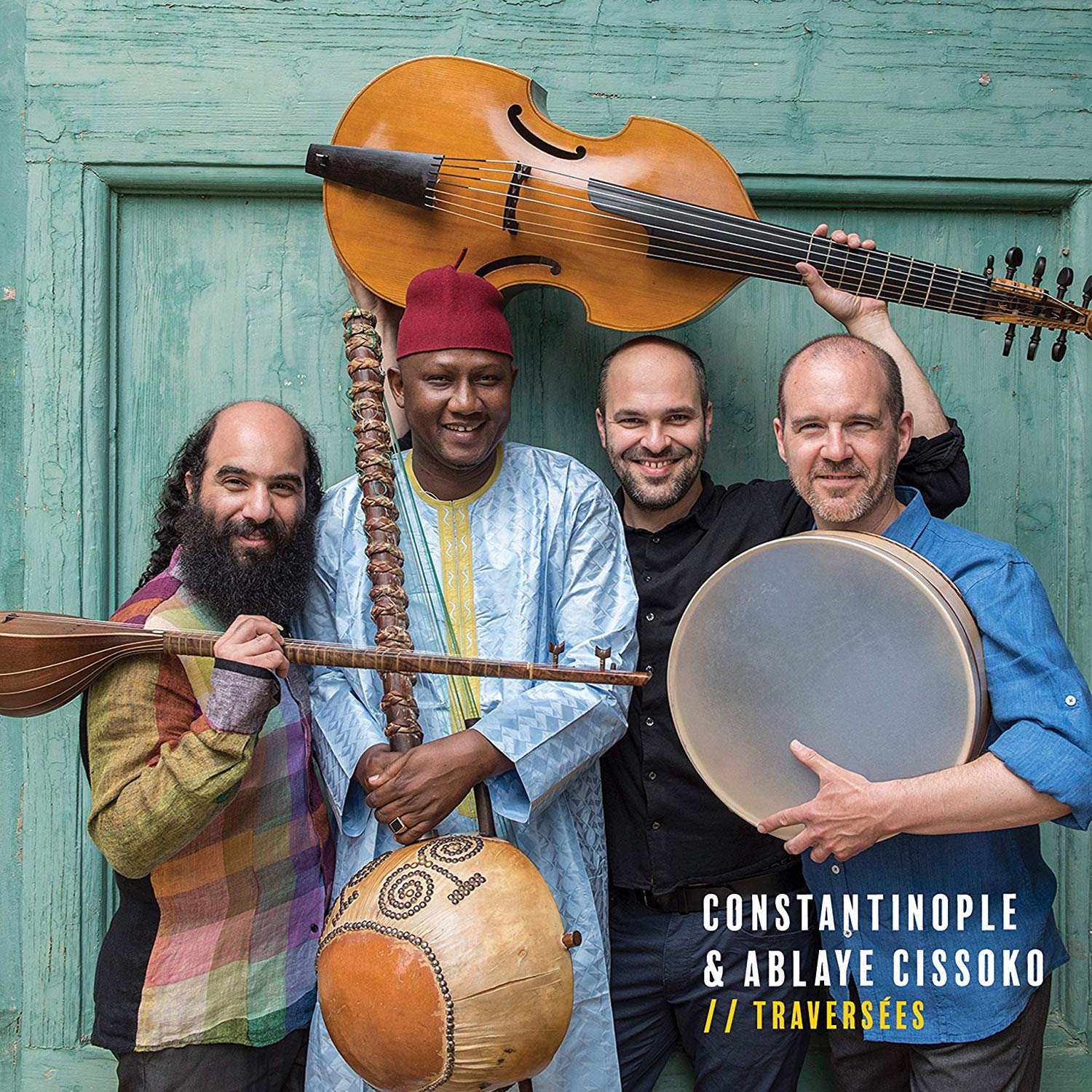
ABLAYE CISSOKO: WEST AFRICAN STORYTELLER – JULY 15 AT TORONTO SUMMER MUSIC FESTIVAL WITH MIDDLE EASTERN/EARLY MUSIC GROUP, CONSTANTINOPLE – STATES “SEEING YOUNG PEOPLE PLAYING THE KORA, THE TRADITIONAL INSTRUMENT I INHERITED, MAKES ME HAPPY AND GIVES ME HOPE THAT THE TRADITION WILL CONTINUE AND THAT THE CHAIN WILL NOT BE BROKEN.”

  1) Please tell us about one or more projects you have worked on or recently completed. Why are they important to you and why should they be important to us?

One of my recent projects is Mane mane, which means “knowledge”, a tribute to my friend the great musician Habib Faye (notably artistic director of the Youssou N’Dour orchestra for 25 years). It was actually his own musical project, but he sadly passed away before he released it and I felt it was my duty to make it public myself. Habib Faye is a musician who marked everyone’s childhood and whose work and memory I had a duty to honour.

2) Imagine that you meet two or three people, living or dead, whom you admire for their work in your artistic expression. What would you tell them and what would they tell you?

I have already had the chance to meet several great personalities, great men of music who are at the same time extraordinary humans. For the rest, I don’t focus on one person in particular, and I have faith in the idea that one day or another I will be able to meet all the people I have to meet in my life.

3) Please describe at least one major turning point in your life that has contributed to making you what you are as a creative artist.

I was born in Kolda, but I moved to Saint-Louis at a young age, and I would say that this city is a turning point, a milestone in my life as an artist. In fact, this is where it all started for me, and it is also the place where I involve all the people I care about: my mentor, my wife and my children.

4) Let’s talk about the state of the arts in today’s society, including the forms in which you work. What gives you hope and what depresses you the most?

Seeing young people playing the kora, the traditional instrument I inherited, makes me happy and gives me hope that the tradition will continue and that the chain will not be broken.

As for the things that depress me, I avoid listening to them. When music doesn’t talk to me, I don’t get stubborn. Maybe it will call me later, but I refuse to listen or make music that I don’t like. For me, music should not be associated with suffering or torture, but with pleasure.

5) What exactly do you like about the work you create and/or do?

The musical encounters. Some musicians have entire careers with the same ensemble, but for me, I lead a career based on encounters. I need to meet lots of people, to surround myself with a multitude of people to work and constantly share.

6) In your creative life so far, what have been the most useful comments you have heard about your work?

Probably when my father, himself a great master of the kora, asked me to play for him, saying: “The kora feeds my heart”.

It is the kind of comment that touches my heart, makes me live and gives me the desire and reason to exist as a musician.

Posted in Uncategorized | Tagged , , , | Leave a comment

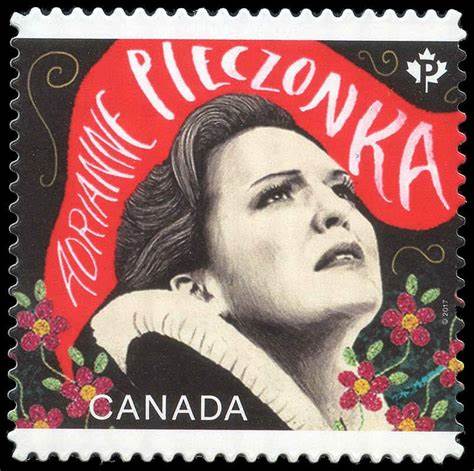
ADRIANNE PIECZONKA: CELEBRATED SOPRANO OPENS TORONTO SUMMER MUSIC FESTIVAL JULY 11, OBSERVES: “I HAVE BEEN SINGING PROFESSIONALLY NOW FOR 31 YEARS AND TO KEEP SINGING DECADE AFTER DECADE IS NOT SO EASY. TO HAVE A LONG CAREER IN THE OPERA BUSINESS IS HAPPENING LESS AND LESS, AND MANY SINGERS FIND THAT AFTER 10-15 YEARS, THEIR CAREERS ARE OVER, WHICH IS VERY SAD…A REVIEWER INTERVIEWS PEOPLE IN THE ARTS

JAMES STRECKER: Please tell us about one or more projects that you have been working on or have recently completed. Why exactly do they matter to you and why should they matter to us?

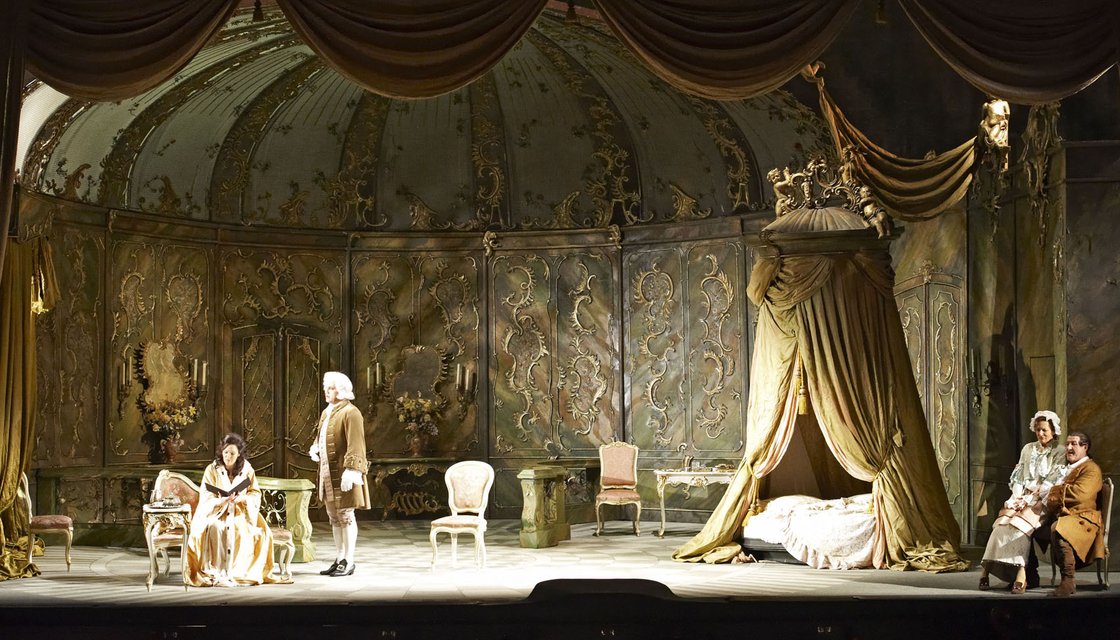
ADRIANNE PIECZONKA: I recently sang The Marschallin in Richard Strauss’ opera Der Rosenkavalier at the Vienna State Opera. My performance on March 21st marked the 1000th performance of this opera in Vienna. This is a huge milestone – when you consider that Der Rosenkavalier has been performed in just one European city this many times, it is really amazing.

JS: How did doing these projects change you as a person and as a creator?

AP: I’m not sure this project changed me per se – but of course it was a huge honour to be part of such an important performance which might go down in the record books I suppose. It was very inspiring of course and a few days before the performance there was a large symposium on the opera and many grande dames were in attendance – singers who had sung leading roles in the opera in Vienna in the 60’s to the present time.

JS: What might others not understand or appreciate about the work you produce or do?

AP: I think others might not appreciate just how much discipline is required to be an opera singer. I liken the art of singing to an athletic sport in many ways. You have to train your voice, keep it in shape, warm up, warm down, keep changing and adapting your technique as time goes by. I have been singing professionally now for 31 years and to keep singing decade after decade is also not so easy. To have a long career in the opera business is happening less and less. Many singers find that after 10-15 years, their careers are over which is very sad.

JS: What are the most important parts of yourself that you put into your work?

AP: I put my heart and soul into my work, in a nutshell I put everything I have into it. I love what I do and somehow I am still driven to keep doing it! I am still learning, still evolving and adapting. This process never ends.

JS: What are your biggest challenges as a creative person?

AP: I think my biggest challenge is that I am innately not a patient person. I want to see results ASAP and I lack the trust or patience sometimes to just go along with a creative process. I am a Type A personality which is not ideal for creative people.

JS: Imagine that you are meeting two or three people, living or dead, whom you admire because of their work in your form of artistic expression. What would you say to them and what would they say to you?

AP: I would like to meet Franz Schubert and WA Mozart. Both are Austrian composers dear to my heart. I began my career in Vienna, Austria in 1989 and to live in the city where both of these brilliant composers lived and worked was really inspirational. I might ask them about their creative process – how did their inspiration happen? Both composers were so prolific and so gifted that it boggles my mind to know just how they achieved what they achieved. Next on my list would be to meet Giuseppi Verdi and ask him about writing so beautifully for the voice.

JS: Please describe at least one major turning point in your life that helped to make you who you are as a creative artist.

AP: I suppose it would have to be way back in 1988 when I decided to leave Toronto and move to Europe to continue to study voice and enter singing competitions. Very quickly I was able to win several important competitions which led to an offer from an opera house in Vienna (Vienna Volksoper). So, I found myself at 25 moving to Vienna and starting a whole new life there. Had I remained in Canada, I think my life and career might have been quite different.

JS: What are the hardest things for an outsider to understand about your life as a person in the arts?

AP: I think people might not realize that it can be a lonely lifestyle – there is a lot of travel involved and often you are on the road alone for weeks or months at a time, away from friends and family. Usually people say that a career in opera must be very glamourous but I can assure you that the glamour wears off quite quickly!!

JS: Please tell us what you haven’t attempted as yet that you would like to do in the arts? Why the delay so far?

AP: My secret desire is to be in a musical either here in Toronto, NY or London. Musicals were my first love, way before I discovered opera. My idol was Julie Andrews. I recently did a Broadway hits show with orchestra and it was really satisfying!

JS: If you could re-live your life in the arts, how would you change it and why?

AP: I don’t think I’d change a thing. In fact, I do feel grateful that I am not starting out now as an opera singer. I feel the business is more competitive than ever and that talented young singers are finding it much more difficult to find and agent and find employment.

JS: Let’s talk about the state of the arts in today’s society, including the forms in which you work. What specifically gives you hope and what specifically do you find depressing?

AP: I am a firm believer that opera is not a dying art, contrary to what some critics say. People complain that it is an art form to be enjoyed by the elite/rich. Opera, which combines all three art forms – movement, text and music is, in my opinion, the “perfect” art form. It can touch us deeply and inspire and thrill us. As I mentioned above, I am concerned about the difficulty young singers are experiencing when trying to launch themselves toward a professional career. Cuts to orchestras, opera houses, even cuts to arts programs in the TDSB and throughout Ontario and Canada are affecting the health of the arts in our country and this will have a global effect. We all know that arts education and exposure to creative arts enhances our lives – it can benefit our minds and our physical health.

JS: What exactly do you like about the work you create and/or do?

AP: No one day is like another. There is a lot of change day to day in my work and change is good and exciting. I meet new people constantly and collaborating with new artists is exciting and rewarding.

JS: In your creative life thus far, what have been the most helpful comments you have heard about your work?

AP: When I receive comments like “your voice and your singing really moved me or made me very happy or thrilled”, they are the best compliments a singer can receive. To know you are touching someone through your voice/artistry is very special.

JS: Finally, what do you yourself find to be the most intriguing and/or surprising things about you?

AP: I am an introvert and I think this might come as a surprise to people who just see me on stage. On stage I have a “stage presence or persona” but this is not who I am in private. I am not a big party person nor do I like noisy events. I love to be in nature and I revel in its stillness and beauty.

Posted in Uncategorized | Tagged , , , , | Leave a comment

MARYEM TOLLAR: EGYPTIAN-CANADIAN VOCALIST IS WIDELY-ACTIVE (TAFELMUSIK, CBC’S LITTLE MOSQUE ON THE PRAIRIE, WINNIPEG SYMPHONY IN CHRISTOS HATZIS’ “SYN-PHONIA – MIGRATION PATTERNS”) AND DECLARES “I HAVE TO REALLY FEEL THAT I CAN EXPRESS THE MUSIC IN AN AUTHENTIC WAY THAT IS RESPECTFUL TO THE TRADITIONS OR THE COMPOSERS” ….. A REVIEWER INTERVIEWS PEOPLE IN THE ARTS

JAMES STRECKER: Please tell us about one or more projects that you have been working on or have recently completed. Why exactly do they matter to you and why should they matter to us?

MARYEM TOLLAR: I recently finished making a CD called “Cairo Moon” with my group “Al Qahwa” (which means “The Coffee House” or just “coffee” in Arabic) with a special guest musician, Alfred Gamil, from Egypt. This project is important to me because it is a combination of the Arabic music of my roots, but it also includes some original material by myself and some of the other band members – and overall, we allow musical influences from our lives to come through in the arrangements of the music. I also have been doing collaborative projects with different arts groups including 2 multi-media collaborations with Tafelmusik, where a story is told that is set in the baroque period, but there are all kinds of connections that are made with the place and time that we are living in now. One of the projects is called “Tales of Two Cities: The Leipzig-Damascus Coffee House” and the other one is called “Safe Haven.”

JS: How did doing these projects change you as a person and as a creator?

MT: These projects and most of the projects that I have been working on over the last 3 decades have given me opportunities to collaborate with people of different backgrounds – musically and culturally – and they have helped me to grow as a person and as musician and to understand many different perspectives of what our world is about.

JS: What might others not understand or appreciate about the work you produce or do?

MT: Generally, people seem to be very appreciative and often moved by the work that is being presented in these projects, but they may not realize how much planning, rehearsal, thinking and funding have to go behind making these projects a reality. I also feel very privileged to have been able to work with other artists who are very open, which makes it a huge pleasure to see what can happen when we bring the different genres of music and different backgrounds together.

JS: What are the most important parts of yourself that you put into your work?

MT: As a singer, my body is my instrument, and I feel that whatever I am singing, or singing about, I really have to believe the messages that I’m putting across. I also have to really feel that I can express the music in an authentic way that is respectful to the traditions I am doing (if I am doing traditional or classical repertoire), or to the composers.

JS: What are your biggest challenges as a creative person?

MT: My biggest challenges are balancing making a living and the day to day practicalities of life with having time to work on my artistic projects.

JS: Imagine that you are meeting two or three people, living or dead, whom you admire because of their work in your form of artistic expression. What would you say to them and what would they say to you?

MT: I am by nature quite shy, so I don’t know that I would want to necessarily meet any of the artists that I really admire. The best scenarios are if I have an opportunity to work with someone I really admire so that we can just create something together.

JS: Please describe at least one major turning point in your life that helped to make you who you are as a creative artist.

MT: Growing up, I was raised in a household that allowed me to participate in many musical activities at school, but the idea of becoming a performer as a profession was not something that I could consider. Because of my love and passion for performing, I did it whenever I could at school, but I didn’t major in music at university. And when I finished, with a degree in French, I still only really wanted to perform. It was a couple of years after that, that I finally had the courage to tell my family that that was my choice – and even though it was met with some resistance, I pursued that path and never looked back.

JS: What are the hardest things for an outsider to understand about your life as a person in the arts?

MT: It might be difficult for some people to understand my need to perform and have music as a major part of my life – and that without it, my life would be very difficult (in terms of nurturing my soul). I have a full time job as a teacher – and it is fulfilling work in its own way – and some people are surprised that I would have the energy to also pursue a career as a professional musician – but what they may not understand is that it is my work as a musician that gives me the energy and fulfillment and happiness so that I can have something to give to my students when I am teaching (or in any other aspect in my life).

JS: Please tell us what you haven’t attempted as yet that you would like to do in the arts? Why the delay so far?

MT: I guess I feel that I am very fulfilled in my artist life, so it is difficult to say if there is anything I feel that I have delayed doing. To be honest, I can’t think of anything. Of course, there are many artists that I admire, so I would love to one day work with them.

JS: If you could re-live your life in the arts, how would you change it and why?

MT: If I could do it all over again, I would have seriously pursued a career in music much earlier than I did. I knew as early as I can remember that I loved to sing, but it was my fear of telling my family that stopped me from going on a path towards music in a serious way.

JS: Let’s talk about the state of the arts in today’s society, including the forms in which you work. What specifically gives you hope and what specifically do you find depressing?

MT: I feel hopeful that more and more people are open to many different kinds of music – and that it seems that there are more opportunities to get it out there than there were when I first started performing what people refer to as “world” music. What I find depressing is that to get my music out there, we depend on funding, and I feel that lately the kind of governments, who are being elected, are not that interested in arts and culture.

JS: What exactly do you like about the work you create and/or do?

MT: I think I like that fact that I have made a name for myself of being able to work and collaborate across cultures. So I am invited regularly to be in different projects, each one very different from the last – and so I never get bored of what I am doing. I am also very interested in so many different kinds of music, I feel like with every project I get a chance to learn something new, whether it’s a deeper understanding of music I have been exploring for a long time, or it’s something totally new to me.

JS: In your creative life thus far, what have been the most helpful comments you have heard about your work?

MT: I am really moved when I hear from people that the work that I do has touched them in a deep way – and it has happened enough that I feel like I must be doing something right.

JS: Finally, what do you yourself find to be the most intriguing and/or surprising things about you?

MT: I find it interesting that I love to perform so much – there is nothing I would rather do more – and I am so passionate about it. Yet I am so shy, and when I have to just talk on stage, I am so nervous. Luckily over the years, I have been able to conquer the fear of talking (in between songs for example) and in the last project with Tafelmusik, I was even asked to be the narrator of the show. So I have definitely come a long way.

Posted in Uncategorized | Tagged , , , , | Leave a comment

LIBBY DAVIES: AUTHOR OF “OUTSIDE IN: A POLITICAL MEMOIR” – AND AFTER 4O YEARS AS AN ACTIVIST AND POLITICIAN – DECLARES: “THERE’S A COMMON PERCEPTION IN OUR SOCIETY THAT WE SUBSIDIZE THE ARTS, BUT I ALWAYS HAVE THOUGHT THAT IT’S REALLY THE OTHER WAY AROUND, THAT ARTISTS SUBSIDIZE SOCIETY IN SO MANY WAYS – FINANCIALLY, PERSONALLY, THROUGH THEIR WORK AND EFFORT. SOCIETY IS INDEBTED TO THE ARTISTIC COMMUNITY FOR WHAT IT GIVES US SO GENEROUSLY.” …. A REVIEWER INTERVIEWS PEOPLE IN THE ARTS

JAMES STRECKER: Please tell us about one or more projects that you have been working on or have recently completed. Why exactly do they matter to you and why should they matter to us?

LIBBY DAVIES: I can’t quite believe I have completed a Political Memoir and it’s out there. It’s been a new and fascinating experience for me. I always loved writing from an early age and, although politics and political office has taken up most of my life, whenever I could put pen to paper, even for short articles, I found it energizing and a wondrous kind of process.

I feel that my memoir “Outside In” is a story and I hope it’s read that way – a story about how change happens; about characters and times gone by and times to come; about why it matters to all of us to be engaged with what’s happening around us and not let ourselves be counted out.

JS: How did doing these projects change you as a person and as a creator?

LD: I’ve been an activist since I was 19 and in elected office 31 years both locally and nationally. It always felt like life was rushing by at a million miles an hour – and I barely had time to stop and think. Writing a book has given me space and time to think and ruminate and look back and forward, so much so that it felt like a luxury and in many ways, it calmed me down. The process of writing, re-writing, considering, researching, and re-writing some more is an adventure of sorts because you don’t exactly know where you will go or where you will end up. It’s made me happy to follow this slightly crooked path and not always know what’s around the corner.

JS: What might others not understand or appreciate about the work you produce or do?

LD: People who know me politically or personally might be surprised I pulled it off. I said in 2016 I’m going to write about transformative change; I’m going to write about activism and the more formal world of politics and why there needs to be a better connection between the two (and why isn’t there a better connection); I’m going to write about a life of working on difficult and non-mainstream issues like sex worker rights and ending drug prohibition and homelessness and how we bring about change. No one deterred me and in fact people encouraged me – but I think there was also some scepticism that I would actually do it and produce something from it. Sometimes people looked surprised when I said I really love to write. They saw it as a chore and as something to get through – but I saw it as the freedom of an open door.

JS: What are the most important parts of yourself that you put into your work?

LD: We all have our stories and they matter to ourselves and those around us and often to the bigger world. Learning to be honest about the elements of your story is a complex thing. It’s not like you have to share every gruesome or gritty detail – so there is a process to be worked through involving honesty and discipline to sort out the elements of the story that fit together. You have to give of yourself and be willing to let yourself feel vulnerable. I’ve been in the public sphere for 40 plus years, so that’s not new to me, but somehow setting words down – committing to the story, in writing, and the ups and downs of personal experience made me feel more vulnerable. Maybe it’s actually understanding that it’s out there now, on paper for all who care to see. That makes the difference. I can’t revise it now.

JS: What are your biggest challenges as a creative person?

LD: I like free flow, but there is that major element – the editing process. This was a challenge for me and I was fortunate to have the help of a skillful and perceptive editor who helped me through this part of the creative process.

JS: Imagine that you are meeting two or three people, living or dead, whom you admire because of their work in your form of artistic expression. What would you say to them and what would they say to you?

LD: Michelle Obama – Your book is amazing and it teaches us so much about the struggles and successes of life. How long do you think it will take to recover from the hateful political path that followed after your husband left office?

Reply: It’s already happening. New leadership is emerging, especially amongst new racialized young women. It will take as long as enough ordinary and progressive people jump on board and say “I’m getting involved.”

Leo Tolstoy – You were an aristocrat and writer who rejected aristocratic life because you believed in the hard work of peasants who worked the land. Is peaceful revolution possible?

Reply: Most things don’t happen the way we think they should. It’s the process of change that really matters. The means don’t justify the end. And sometimes the end isn’t the end, it’s only a trial.

JS: Please describe at least one major turning point in your life that helped to make you who you are as a creative artist.

LD: I read War and Peace and Anna Karenina by Tolstoy when I was in my very early teens. After that I couldn’t stop reading the great Russian novels and not be embedded with a sense that writing could change the way people think and act. The creativity of writing and bold ideas carried through to my political work
JS: Please tell us what you haven’t attempted as yet that you would like to do in the arts? Why the delay so far?

LD: I’d like to write fiction. I have half-finished stories and bits and pieces lying around in folders, scribbles here and there. I aim to gather up the pieces and see what’s there and embark on another project and see where it takes me. Running in 15 different elections kept me occupied but it’s not too late, I hope.

JS: Let’s talk about the state of the arts in today’s society, including the forms in which you work. What specifically gives you hope and what specifically do you find depressing?

LD: There’s a common perception in our society that we subsidize the arts (through public and private grants and support) but I always have thought that it’s really the other way around – artists subsidize society in so many ways. Financially, personally, through their work and effort and as such, society is indebted to the artistic community for what it gives us so generously.

We all have artistic potential. But, of course, some people are exceptional in their talent and perception. They give us an understanding of the world around us and challenge us in our mediocre views. Creativity and art need to be nourished and treasured because we all benefit. It is very depressing that too many artists struggle to make ends meet and don’t get the recognition they are due.

JS: What exactly do you like about the work you create and/or do?

LD: Imagination is a wonderful quality and I treasure it. When I can combine imagination with life experience and my political beliefs and set it down in writing, I feel that I can contribute. A bold imagination is also an essential quality for the world of politics and for change to happen. Imagination is the art of the possible and the process of making people believe they have the power to make a better world based on the common good for people and making sure our planet is healthy and sustainable.

JS: In your creative life thus far, what have been the most helpful comments you have heard about your work?

LD: I’ve just finished the first leg of a book tour. It has been so wonderful to hear feedback from people about “Outside In”. I’ve been most happy to hear people say that the book gave them a renewed sense of hope about change for a better world where people are engaged and not cynical.

JS: Finally, what do you yourself find to be the most intriguing and/or surprising things about you?

LD: I’ve always been politically active and I’ve spent my life in politics – yet here at age 66, I can find new doors opening, to, I hope, write about what matters.

Posted in Uncategorized | Tagged , , , , , | Leave a comment

GLENN ANDERSON: DRUMMER WITH REDHOT RAMBLE (DUE AT HAMILTON’S ARTWORD ARTBAR ON JUNE 8) OBSERVES: “SEEING PEOPLE GET OUT OF THEIR SEATS BECAUSE THEY LOVE THE MUSIC AND CAN’T HELP THEMSELVES IS VERY REWARDING.”…A REVIEWER INTERVIEWS PEOPLE IN THE ARTS

JAMES STRECKER: Please tell us about one or more projects that you have been working on or have recently completed. Why exactly do they matter to you and why should they matter to us?

GLENN ANDERSON: Outside of my work with, and commitments to several other amazing leaders and their projects, I continue to focus my attention on our band Red Hot Ramble. RHR has been together now for over eight years and my partner singer/pianist Roberta Hunt continues to work with our wonderful band mates Alison Young, Jacek Zorawski and Jamie Stager in creating new places to play, new material to perform and write, and to continue to grow as a band.

JS: How did doing these projects change you as a person and as a creator?

GA: Working on RHR hasn’t necessarily “changed” me as a person or as a “creator”, but it is always a challenge to balance that creativity with the necessary “evils” of spending the time promoting the band and finding new and interesting venues to play … i.e. the business side of the music business.

JS: What might others not understand or appreciate about the work you produce or do?

GA: Like every occupation there are aspects of it that people who are not involved with that occupation don’t understand or appreciate. I think the basics or fundamentals of “succeeding” in anything we aspire to do are basically the same. However, I’m not sure we can expect others to necessarily “get” what we do as musicians.

JS: What are the most important parts of yourself that you put into your work?

GA: I think my love for making music with friends and other great musicians and my love for the different kinds of music I’m involved with is extremely important for me.

JS: What are your biggest challenges as a creative person?

GA: One of the biggest challenges is being a creative person while earning a living, especially in a city like Toronto that has become ridiculously expensive to live in for everyone that isn’t extremely well off financially. It’s also challenging to maintain the effort and persistence to keep a “band” working and together in today’s working musician’s environment.

Another challenge is getting your music heard and appreciated taking into consideration the vast amount of talent both young and not as young that are attempting to capture the attention of what has become a somewhat finite audience for live music.

JS: Imagine that you are meeting two or three people, living or dead, whom you admire because of their work in your form of artistic expression. What would you say to them and what would they say to you?

GA: Those are interesting questions. In all honesty, I have had the opportunity to meet musical artists or otherwise who I admired greatly for their work and it’s always a challenge to come up with something meaningful to say and/or ask until you’ve had an opportunity to really sit down and get to know each other. I can remember being introduced to Buddy Rich by now deceased jazz broadcaster Phil McKellar backstage at Minkler auditorium years ago. I was so in awe of Buddy, and well aware of his reputation for his sharp tongue that I basically stammered my way through a few questions and compliments. However, if I could have sat down with Buddy and had a coffee, I think the conversation would have turned to more substantial questions and responses. Listening to those you admire simply tell their stories is always informative and inspiring and can help give one that little jolt of encouragement to continue on with one’s goals.
JS: Please describe at least one major turning point in your life that helped to make you who you are as a creative artist.
GA: I’ll give you three examples…

I’m fond of recalling that my exposure to the music I love started with my Dad’s love of good music and the drums. He used to play piano for us at home and introduced me to big band music and traditional and mainstream jazz artists. But when we watched the ‘Gene Krupa Story’ one afternoon on television, I knew immediately what instrument I wanted to play and how I would approach the drums when I played them. That movie had a huge effect on me becoming a musician.

When I was in Grade 8, the local high school, Wexford Collegiate brought its Senior Stage Band to the school to encourage kids to go to that high school which was beginning its transition into a school for the arts. When I saw and heard that incredible band, my immediate goal was to sit in that drum chair as soon as I could. The next five years in that incredible musical environment under the leadership of J. Ross Folkes changed my life forever.

The last example is the first time I was “let go” from a band almost directly after receiving several favourable reviews both personally and as a band after several performances. I won’t go into the personalities or details; however, suffice it to say that the music that band played sparked something in my musical psyche to inspire me to look deeply into the music of New Orleans and the musicians that spawned so many styles of music that we listen to today. That experience became the catalyst for the creation of our band Red Hot Ramble almost a dozen years later.

JS: What are the hardest things for an outsider to understand about your life as a person in the arts?

GA: I’m not saying anything ground breaking when I say that people not involved in the music industry or in the arts continue to justify their undervaluing of musicians by stating that we are lucky because we play music for a living. They’ll nod their heads in agreement and agree we don’t get paid very much, but, “we do it because we love it” so we are blessed. I can’t argue with that; however, they fail to understand that this is a profession and each one of us is, in effect, a small business trying to keep our heads above water in a city that has become prohibitively expensive to live in. As much as we love doing it, the challenges to even survive are becoming prohibitive.

JS: Please tell us what you haven’t attempted as yet that you would like to do in the arts? Why the delay so far?

GA: Despite the fact that recording CDs have become little more than expensive business cards for many of us, I would like to record a second CD under my name. I recorded ‘Glenn Anderson Swinging the Blues’ in 2003 and would love another opportunity to record that band.

JS: If you could re-live your life in the arts, how would you change it and why?

GA: “Should have, would have, could have”? Haha!! I think there’s always things we could have all done differently and/or better in hindsight; however, here’s where I am and it’s the future I’m looking forward to.

JS: Let’s talk about the state of the arts in today’s society, including the forms in which you work. What specifically gives you hope and what specifically do you find depressing?

GA: I don’t think I can speak for the arts. However, in my musical world and that of many of my colleagues, especially those of my “vintage”, the live music scene has changed drastically over the past twenty years and not necessarily for the better. It is difficult to see so many talented musicians struggling to make ends meet and it has become a huge challenge to get audiences to come out to see live bands. There are less and less venues to perform in for an incredible amount of talent from around the world. That being said, no one told the younger musicians that it was going to be a struggle because they are out there with incredible musical talent and education and are willing and able to do what it takes to have their music heard.

JS: What exactly do you like about the work you create and/or do?

GA: There are two things that I like about my creativity. One is collaborating and creating music with incredibly talented musicians and friends. There is nothing like performing live or recording with people who are there to create interesting music and provide entertainment and a chance to “escape” this crazy world. The second is when an audience is clearly enjoying and immersing themselves in whatever musical performance I’m involved with. Seeing people get out of their seats because they love the music and can’t help themselves is very rewarding.

JS: In your creative life thus far, what have been the most helpful comments you have heard about your work?

GA: Well, on a personal level I’ve had many incredibly talented and respected musicians young and old offer comments both positive and constructively critical. It’s always valuable to listen to and consider comments from those you respect; however, there are times when I believe one has to have faith in their talent and goals and push forward to achieve what it is you’re striving for.

JS: Finally, what do you yourself find to be the most intriguing and/or surprising things about you?

GA: Perhaps one of the most surprising things in a way is the fact that after 41 years of playing drums and being a musician, I’m still out there doing it. I’m doing what I wanted and said I would do from the age of 14 when I informed my parents that I was going to be a musician. Four decades is a long time to do anything professionally however I feel like I don’t have enough time to do everything I want musically.

Posted in Uncategorized | Tagged , , , , | Leave a comment