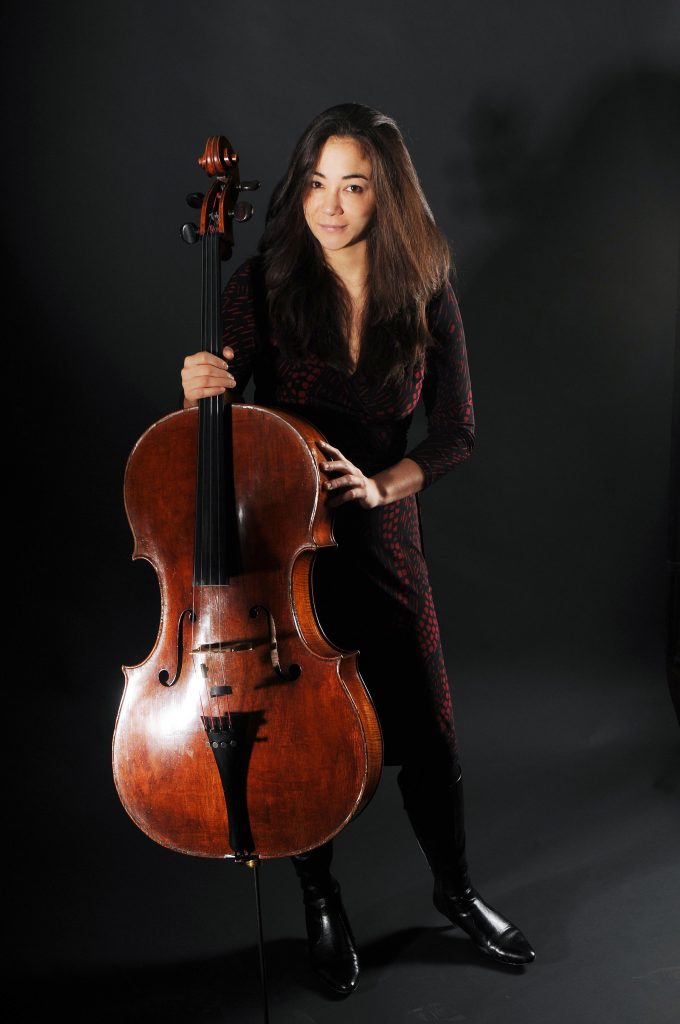
CORY KNIGHT: TENOR IN SCHÜTZ’S CHRISTMAS STORY WITH TORONTO CONSORT DECEMBER 13, 14, 15, AND IN HIS INAUGURAL YEAR WITH THE TORONTO CONSORT AS ARTISTIC ASSOCIATE, EXPLAINS,” YOU NEED TO BE A BIT OF A DETECTIVE TO RECONSTRUCT EARLY MUSIC AND EVERY NEW PROJECT BRINGS NEW QUESTIONS AND NEW IDEAS.”…A REVIEWER INTERVIEWS PEOPLE IN THE ARTS

Photo by Bruce Zinger Photography

JAMES STRECKER: Please tell us about one or more projects that you have been working on or have recently completed. Why exactly do they matter to you and why should they matter to us?

CORY KNIGHT: We had our first Toronto Consort program of the season last month called Countryside and Court, under the direction of Artistic Associate Katherine Hill with special guest fiddler and dancer Emilyn Stam. The program was an exploration of 16th century French courtly music paired up with today’s French traditional music. It was an exciting program that literally had us singing and dancing with the audience.

Upcoming in December we have Schütz’s Christmas Story, directed by David Fallis with guest artist internationally-acclaimed English tenor Charles Daniels. This program will bring together period performers to kick off the holiday season with this early-Baroque masterpiece along with music by Schein, Scheidt, and Hassler.

JS: How did doing these projects change you as a person and as a creator?

CK: The Toronto Consort is a collective of Artistic Associates who specialize in medieval, renaissance and early baroque music. As such, each concert program is created by one (or a small group) of Artistic Associates. We are by nature a very collaborative team and even if we are not taking the lead on a particular project, we work together to build a final product. This is my first season with Toronto Consort as an Artistic Associate and having a role like this is a new step in my professional career. I am very much enjoying growing into this role with my wonderfully supportive colleagues.

JS: What might others not understand or appreciate about the work you produce or do?

CK: Being an early musician is a pretty specialized thing to do, even in the world of classical music. It’s kind of a niche within a niche. We’re often working with instruments and musical styles and notation that are centuries old and require specialized study and training in order to interpret. You need to be a bit of a detective to reconstruct early music and every new project brings new questions and new ideas.

JS: What are the most important parts of yourself that you put into your work?

CK: For me the draw to music, and in particular singing, has always been its expressive storytelling power and its ability to bring people together regardless of cultural background. I believe we can learn a lot about ourselves when we gather to listen to the stories of the past and I aim to create opportunities where people can experience this.

JS: What are your biggest challenges as a creative person?

CK: I think most artists would agree that the job never feels complete. We may be very satisfied with what we’ve created, but there’s always more to explore or another variation to try.

JS: Imagine that you are meeting two or three people, living or dead, whom you admire because of their work in your form of artistic expression. What would you say to them and what would they say to you?

CK: I think it would be interesting to meet a singer from J. S. Bach’s time as Music Director at Thomaskirche in Leipzig. Knowing the difficulty of Bach’s music and the speed at which those singers would have had to learn it, I would love some insight into how they got the job done.

JS: Please describe at least one major turning point in your life that helped to make you who you are as a creative artist.

CK: I would say getting my Master of Arts in Historical Performance Practice from the Schola Cantorum Basiliensis in Switzerland has had the greatest impact on who I am as an artist. During my time in Europe, I was immersed in a world of early music resources and aficionados and I felt like I had finally found a group of people who understood my voice and what it was capable of. I was inspired to work hard and came back to Canada feeling confident and accomplished.

JS: What are the hardest things for an outsider to understand about your life as a person in the arts?

CK: I think it can be difficult for people to understand what ‘work’ looks like for a musician. Because our hours and income vary and we’re often moving from place to place, people tend to have a lot of questions about the stability and longevity of the career. The truth is, we often ask ourselves the same questions and, in fact, no two artists have the same experience. So, there are definitely a lot of unknowns. At the end of the day however, there is a great satisfaction that comes from engaging with the arts and in my opinion this far outweighs any uncertainties the career might throw at you.

JS: Please tell us what you haven’t attempted as yet that you would like to do in the arts? Why the delay so far?

CK: With my new role as an Artistic Associate with The Toronto Consort I have the opportunity to create and direct concert programs. I have a few ideas floating around in my head that I would really like to bring to life and I’m looking forward to giving them a try.

JS: If you could re-live your life in the arts, how would you change it and why?

CK: I don’t think I would change much to this point about my career as a musician. I feel very lucky to have had the opportunities that I’ve had. One thing I might change would be to advocate for arts education more often and in more meaningful ways. I think we all benefit from a well-rounded understanding of how the world works and the arts are an integral part of who we are as humans.

JS: Let’s talk about the state of the arts in today’s society, including the forms in which you work. What specifically gives you hope and what specifically do you find depressing?

CK: There has been quite a significant growth in the number of people interested in Early Music over the past few decades and that has been wonderful to see. I think the internet has played a significant role in providing access to resources and for allowing specialists from around the world to connect and share ideas.

JS: What exactly do you like about the work you create and/or do?

CK: I like that early music gives us a small peek into what life might have been like in the past.

JS: In your creative life thus far, what have been the most helpful comments you have heard about your work?

CK: In general, I love chatting with the audience. Some of the best feedback comes through conversations that happen before, during, and immediately after a show. Music is a lived experience that is meant to be shared and I think it’s important to find ways to blur the boundary between performer and audience member whenever we can.

JS: Finally, what do you yourself find to be the most intriguing and/or surprising things about you?

CK: I’ve been very fortunate to be able to balance my professional life between being a musician and an educator. I’m an Occasional Teacher with the Toronto Catholic District School Board and I have a background in recreational learning. I spent many years in the world of summer camps (over twenty) and taught arts-based workshops to visiting school groups at Harbourfront Centre. Something people might not know about me is that I’m a farm boy from Southwestern Ontario. I grew up picking tomatoes in the Tomato Capital of Canada.

Posted in Uncategorized | Tagged , , | Leave a comment

STEPHEN SITARSKI: CONCERTMASTER-VIOLINIST PRESENTS HIS ‘MUSIC & WELLNESS: A PERSONAL PERSPECTIVE’ AND EXPLORES DEPRESSION, A MUSICIAN’S LIFE, THE HEALING EFFECT OF MUSIC, AND MUCH ELSE, IN AN INFORMATIVE, INSIGHTFUL, AND MOVING TALK – AND WITH BACH SELECTIONS TOO! – .AT THE BURLINGTON PUBLIC LIBRARY…A REVIEWER INTERVIEWS PEOPLE IN THE ARTS

JAMES STRECKER: Your presentation is titled Music and Wellness, so, to begin, what do you want people to learn as a result of hearing you?

STEPHEN SITARSKI: Mostly I just want to start a discussion about mental health. It is still stigmatized and badly understood by most of society. In our ‘sound bite’ world it is all too easy to jump to convenient conclusions when interacting with someone who is suffering from one of these terrible conditions. It is good for everyone to learn how to engage with such a person: be patient, and ask simple, sincere questions.

JS: What parts of your talk were initially hard for you to discuss and why was that so?

SS: Every time I speak about my own illness, I relive the difficult moments of darkness, numbness, and hopelessness that I felt (and still feel on occasion).

JS: What exactly is the connection between wellness and music?

SS: There is now enough research to prove that: 1. Music education for children is one of the best things for their healthy development, perhaps even the MOST important thing they can do, 2. Listening to music engages a different part of the brain, so that dementia or Alzheimer patients experience soothing effects, 3. Humans attach memories and feelings to pieces of music to the extent that they conjure up pleasant nostalgia. This can be used therapeutically.

JS: What connection is there between the quality of music people in a society listen to and that society’s wellness as you define it?

SS: Music can be pretty subjective, and there are changing trends all the time. Cultural and generational gaps can lead to misunderstandings or even a complete lack of understanding among members of society. I suppose that whatever musical sounds a person or group find meaningful will be healthy to them. And if anyone is denied music important to them there will be great anxiety.

JS: You talk of wellness and I wonder how you might describe ‘unwellness’ and also describe how unwellness impacts on society

SS: Wellness to me represents a state of physical, emotional, intellectual, and spiritual balance. Therefore, unwellness is the imbalance of this state. A lack of physical fitness, strong personal relationships, challenging work, and/or existential calm is being unwell. An unwell society is less generous, less empathetic, and more prone to unhealthy decisions.

JS: What have you learned about people from the questions your audiences ask you during your presentations?

SS: I truly believe that society is turning a corner in regards to mental health issues. Most people (it would seem) that attend my presentations know someone (including themselves in some cases) who suffers from a mental illness. We don’t hide this as much anymore.

JS: During your presentation you talk of your own depression. What do you want people to do in dealing with their own depression and the depression of others?

SS: The most critical thing for a severely depressed person to know is that depression is an ILLNESS. It isn’t WHO you are or WHAT you can be. But…you must still reach out for help. This disease wants to isolate you, to denigrate you, to see the futility of everything and anything. Asking for help does NOT feel comfortable because the victim doesn’t think they deserve it, or just doesn’t care about their future at all. And if you notice someone shrinking socially, having poor self-esteem, becoming easily irritated, or withdrawn, please just ask them if they are ‘okay’. And if they’re not, seek help for this person.

JS: What is there about a profession musician’s life that is most difficult to handle and what are the harmful effects on a musician’s wellness?

SS: Different stages of different musicians’ lives bring about different stressors. Nevertheless, a musician’s ego is extremely important. What we do is so difficult on a daily basis that the idea that we’re doing a decent job in performance is critical. Praise from others is fairly important, but even more so is our personal satisfaction of playing up to a perceived standard of excellence. Battling perfectionism, or not reaching a high enough level can be crippling for a musician’s psyche. Lack of authenticity is also a factor. If we aren’t regularly performing music in a way that satisfies our inner feelings, we will suffer. When enough of these stressors build up over time, our body will release such a huge amount of cortisol that our immune system will become confused and begins to attack our own body.

JS: Please discuss three pieces of music that have a healing effect on you.

SS: Kancheli: Exil, Chopin mazurkas, Beethoven string quartet op.130

JS: Please describe what having depression feels like.

SS: It can have at least two faces. The first is a toxic level of low self-esteem that leads to self-harm. The other is nihilism – nothing matters, there is no joy, no hope, no future.

JS: What remedies have helped you with your depression?

SS: I have taken standard antidepressants (SSRIs), had psychotherapy, and changed diet. I am now managing my depression primarily with cannabis products.

JS: Please describe the ideal doctor.

SS: One that can spend enough focused time with a patient to not just provide a diagnosis, but to also discover why the illness may have occurred. Also, s/he will be someone who considers non chemical alternatives, if possible.

JS: What advice would you give a young person who wants to be a musician?

SS: Be aware of the many stressors throughout every stage of your development and career. You can’t avoid most of them, but if you know what the challenges are you can stay in control. BE AUTHENTIC. Listen to how you feel. Remember that the voice that you hear speaking in your head is not necessarily you. YOU are who is listening; therefore, you can filter that information and use only that which is helpful and positive. And finally, LIVE an interesting life. Otherwise you won’t have much to say as an artist.

JS: How should sponsors arrange for you to come do your presentation?

SS: I can be contacted through my website. www.stephensitarski.com

JS: I have to ask…the first live concert I ever heard as a kid was Scheherazade with Sir Ernest MacMillan conducting the TSO, and I was transformed, so what does it feel like to play the solo violin part of Scheherazade, which your HPO will be performing in the spring of 2020 with you as violin soloist?

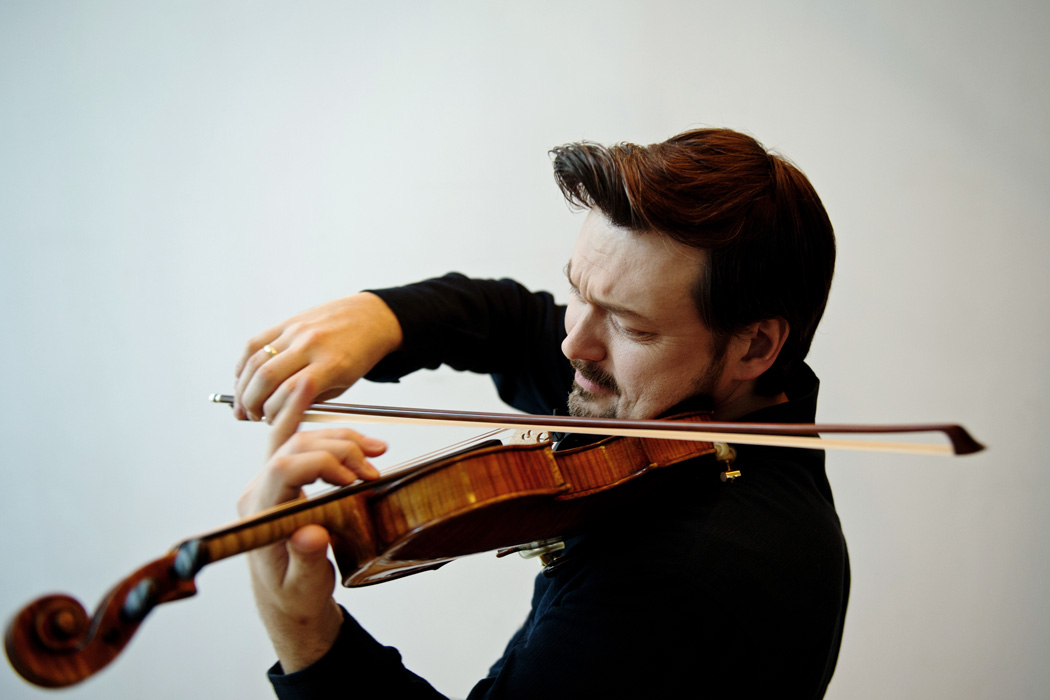
SS: This is one of the greatest pleasures of being concertmaster in an orchestra. Rimsky-Korsakov has given the solo violin so many opportunities throughout this piece to express many different characters. I have performed the solos several times, but I am really looking forward to performing it in Hamilton with Gemma conducting. And don’t forget – there are incredible solo moments for so many other instruments as well…


Posted in Uncategorized | Tagged , , , , | Leave a comment

MIREILLE ASSELIN: ZERLINA IN OPERA ATELIER’S DON GIOVANNI (OCTOBER 31 – NOVEMBER 9) EXPLAINS : “ZERLINA CAN BE FLIRTATIOUS, SHE CAN BE DEFIANT, SHE CAN BE SEXY, SHE CAN BE GENUINE AND SWEET… SHE HAS STRONG FEELINGS, SHE HATES BEING TOLD WHAT TO DO, SHE FEELS LIKE SHE DESERVES A GOOD LIFE AND IS WILLING TO BEND CERTAIN SCRUPLES TO GET THERE.”…. WHAT’S HAPPENING IN MY CREATIVE LIFE?

JAMES STRECKER: This fall you are singing the character of Zerlina in Mozart’s Don Giovanni for Opera Atelier after doing the role in Paris not long before. You have said that Zerlina is one of your favourite roles, so first of all, what is there about Zerlina that appeals to you as one who is doing her, in music and in libretto?

MIREILLE ASSELIN: Zerlina is one of those roles that you encounter constantly, at least in bits and pieces, as a young soprano in training. I can’t even begin to count the amount of times I’ve sung “La ci darem la mano” (the famous duet between Don Giovanni and Zerlina) in gala performances and house concerts over the years. and same goes for her arias “Batti batti” and “Vedrai carino” – they are all part of the soprano training regimen! And so, consequently, one can’t help but saddle her with a million other peoples’ opinions – about her character, how it should be sung, etc. And I’d never really bothered to step back and figure out who I thought she was until I finally performed the role in its entirety this year. And it’s been something of a revelation! As with all of the Da Ponte/Mozart collaborations, there is a ton of complexity and nuance in the text and the music for Zerlina, and I’ve discovered that she can be a sort of chameleon who grows and changes from show to show. She can be flirtatious, she can be defiant, she can be sexy, she can be genuine and sweet… she has strong feelings, she hates being told what to do, she feels like she deserves a good life and is willing to bend certain scruples to get there. I’ve really enjoyed finding multiple ways of delivering the same text, and the genius of the piece is that it does support multiple readings. I also love that the role, like Susanna in The Marriage of Figaro, has both saucy, fast, chatty moments of singing, as well as moments of great legato and line. I’ve particularly fallen in love with her second aria, which is simultaneously incredibly sensual and, I feel, a moment of poignant sincerity and forgiveness amidst the chaos that Don Giovanni sows around him.

JS: How do you make connection with and get into an operatic role like Zerlina? Is it through the libretto, the score, the guidance of the director or conductor, your own instincts?

MA: It’s a bit of everything, to be honest. I connect initially through the music and my own vocal preparation, of course, but the real joy of the process is in the rehearsal room with the other singers, the conductor and the director, who all inform the ultimate product. I firmly believe that you have to tailor your version of the character to the production you find yourself in, because otherwise everyone is doing their “own” show, and it just doesn’t hold together as a coherent piece of theatre. So, in the end, what you see is both my and my colleagues’ version of Zerlina!

JS: What is there about you, Mireille, that you bring to your take on Zerlina? Are you alike? Are you different?

MA: We have enough in common that I feel able to portray her – we both don’t like being told what to do, for example! She’s lively, smart, practical. all things I can relate to in some way. On the flip side, she can be very combative and her relationship with her fiancée, Masetto, is tempestuous and by turns both cruel and sweet. Her combativeness is something that I find very different from my own personality, but is such a fun thing to play on stage.

JS: Could you and Zerlina be best pals? Why or why not?

MA: I think she’d be fun to invite to a party, but I wouldn’t trust her… there’s something about Zerlina that I think I’d find incredibly intimidating in real life!

JS: Please describe and explain your relationships as Zerlina, first with Don Giovanni and then with Masetto.

MA: This really gets to the crux of her arc in the opera. As I mentioned earlier, she’s a very smart, practical girl who comes from humble origins. She’s a self-starter and is not above using her charms to get a leg up in life. I also think, crucially, that she’s pragmatic and not romantic – and so when she encounters Don Giovanni, she sizes him up immediately and sees her chance to move up a few rungs of the social ladder. I think she finds him attractive, yes, although it’s not about that. It’s about him being a powerful man who might be her ticket out of Dodge. But when she ultimately gets a fuller picture of his character, she turns on him and knows she’s got a much better thing in Masetto. Speaking of Masetto, I think she really really loves him, and finds him incredibly attractive, even more than she finds the Don, but they also drive each other crazy and their relationship is a constant rollercoaster of fights and making up from fights, which they seem to both love. Theirs is a relationship fraught with sexual tension! And so even after behaving very badly to one another, they always kiss and make up.

JS: Does any aspect of your performance change over a run of a specific production, or do you have the given character as you want it soon into the run?

MA: Live performance means things will always be slightly different every night – it’s the nature of the beast! But I do think that the development of the character has to happen primarily over the course of the rehearsal process alongside my colleagues, because once we’re out on stage together we need to be able to count on each other to be on the same page and deliver a coherent show. I don’t mean to say that there aren’t real moments of discovery over the course of a run of shows – there always are, which is what makes the job so wonderful! – but the real work happens before the curtain goes up. I do find however, that characterizations deepen and become more complex over the course of a run.

JS: As you sing Mozart’s music over the years, how does your opinion of him change, if at all?

MA: As I’ve matured, my understanding and appreciation of his genius has grown. I can come back to his operas time and time again and always find something new and thrilling. I feel like I’ve grown up with some of his characters, and they’ve evolved along with me. On a purely technical note, his music is incredibly challenging to sing and it remains the best vocal test to make sure I’m singing freely and well.

JS: How does having seen and heard an opera you are about to do help or hinder you?

MA: It’s always more difficult, I find, to take on a piece that is very popular and done frequently. Everyone has an opinion! Or a favourite recording that you will just never live up to! In many ways it is more challenging to approach a role like this with fresh eyes and ears, because it seems loaded with preconceived notions and expectations. So, the challenge is to forget everything and try to bring the best of yourself to the piece instead of being a poor imitation of someone else’s ideal.

JS: What specific parts of your training and previous experience help you the most in doing Zerlina?

MA: It really brings it all together – vocal technique: needing a strong middle register, and an ease with fast paced “patter” singing, good line, a good handle on negotiating the passaggio (the break in a singer’s voice); as well strong acting skills, TONS of energy, and my dance background and years of experience working with OA really help as well!

JS: What are the differences between an audience in France and the Toronto audience?

MA: Every country has their funny audience etiquettes and traditions. In France there is a tradition of clapping all in sync if the show is well received, and that’s a very exciting thing to experience from the stage! But I really do love the audiences here in Toronto and am so happy to be singing this great opera for them on home turf.

Posted in Uncategorized | Tagged , , , | Leave a comment

ROBERTO CAMPANELLA: CO-CHOREOGRAPHER OF PROARTEDANZA’S PREMIERE OF THE 9TH! NOVEMBER 6-9 AT HARBOURFRONT CENTRE’S FLECK DANCE THEATRE (AND CHOREOGRAPHER OF THE OSCAR-WINNING, THE SHAPE OF WATER) REMEMBERS HIS MAJOR TURNING POINT – “WHEN I STOPPED CREATING FOR THE EXPERTS.” …A REVIEWER INTERVIEWS PEOPLE IN THE ARTS


20160505RobertoCampanella

JS: How did doing these projects change you as a person and as a creator?

RC: In every creation there’s a personal discovery, but especially in The 9th, probably due to the scale of popularity of this monumental music masterpiece, I find myself constantly fighting my doubts. What I feel it’s happening is the development of allowing myself to trust my own instincts, and the ones of our co-creator, Robert Glumbek, as well as our wonderful collaborators, ProArteDanza dance artists.

JS: What might others not understand or appreciate about the work you produce or do?

RC: What others might not understand or appreciate is beyond our control, but I always hope that the audience sits down allowing themselves to experience the phenomenon of what they’re seeing, open their hearts and to unleash their own imagination: experiencing the performance as a real escape from our day to day top heavy lives. We’re not spoon feeding anyone but just hoping to connect and take them with us to an emotional journey.

JS: What are the most important parts of yourself that you put into your work?

RC: Passion! What I can definitely promise is that the incredible amount of passion myself and the rest of our collaborators have for what we do it will be visible on stage.

JS: What are your biggest challenges as a creative person?

RC: Doubts. As I mentioned earlier, it’s a constant fight. I personally feel that overthinking your choices, could be more damaging than helpful, although I sometimes fall into the trap.

JS: Imagine that you are meeting two or three people, living or dead, whom you admire because of their work in your form of artistic expression. What would you say to them and what would they say to you?

RC: I’d let them know how grateful I am of having had them as my inspiration. I’ve had the fortune of working with some extraordinary choreographers, some of whom are still in my thoughts while I’m in the studio creating and for that I’d like to say, THANK YOU!. Most likely they would say, YOU’RE WELCOME! 🙂

JS: Please describe at least one major turning point in your life that helped to make you who you are as a creative artist.

RC: When I stopped creating for the experts. Another trap I kept on falling into was asking myself, what would the experts say about this? My turning point was channeling that unnecessary waste of energy into having fun in the studio and by being in touch with what I wanted out of the creation.

JS: What are the hardest things for an outsider to understand about your life as a person in the arts?

RC: My insane schedule and what’s the fun in living in a constant deficit! 🙂

JS: Please tell us what you haven’t attempted as yet that you would like to do in the arts? Why the delay so far?

RC: I would like to bring more of the dance world here in Toronto. Unfortunately, the lack of resources is delaying the process, but I’m not giving up.

JS: If you could re-live your life in the arts, how would you change it and why?

RC: I would advocate more and take stronger actions in support of the arts in general, because we can all always do more!

JS: Let’s talk about the state of the arts in today’s society, including the forms in which you work. What specifically gives you hope and what specifically do you find depressing?

RC: Well…Depressing is that while I know how much each one of us work in trying to maintain the high standard that our company is known for, ProArteDanza has currently been unjustly targeted for a major cut by the Ontario Arts Council. On a positive side, I’m hopeful of personally knowing some amazing gladiators in Canada and abroad who continue to fight to make dance visible at the standard that it deserves.

JS: What exactly do you like about the work you create and/or do?

RC: Choreographers are known to be the worst critics of their own work. In general, I’d say that the most fulfilling part of it is to witness how our dance artists translate my choices, their commitment, devotion and the growth that inevitably goes with it.

JS: In your creative life thus far, what have been the most helpful comments you have heard about your work?

RC: Don’t create for the experts! 🙂

JS: Finally, what do you yourself find to be the most intriguing and/or surprising things about you?

RC: Intriguing…I’d say that my being very affectionate and warmth towards people could spark some curiosity. Also, perhaps, it might come to a surprise to some people that I give the benefit of the doubt to anybody without distinctio

Posted in Uncategorized | Tagged , | Leave a comment

NATHAN KEOUGHAN: BARITONE STARS AS PINK IN TORONTO PREMIERE OF ANOTHER BRICK IN THE WALL: THE OPERA, AT MERIDIAN HALL NOVEMBER 13–23 AND EXPLAINS “PINK’S EMOTIONAL SPECTRUM IS HUGE, FROM PLAYING A COMFORTABLY NUMB PSYCHOSIS TO A FASCIST MURDERING DICTATOR”….A REVIEWER INTERVIEWS PEOPLE IN THE ARTS

JAMES STRECKER: Please tell us about one or more projects that you have been working on or have recently completed. Why exactly do they matter to you and why should they matter to us?

NATHAN KEOUGHAN: The project I am currently working on is one I’ve been lucky to live with now for three years. In 2016 I was given an amazing opportunity to workshop and cover a brand-new operatic role, Pink in Another Brick in the Wall: The Opera. Pink is a rock star, jaded by fame and tormented by his past and inner demons. The opera may be new but the text and story is taken from the iconic album, The Wall. This work, like the original and Roger Waters’ film Another Brick in the Wall is famous for being an anti-establishment commentary on the physical and metaphorical walls that get built throughout our society.

This commentary is important to me because these walls are more prevalent in today’s political environment than ever before in my lifetime. Having the opportunity to perform this opera in Trump’s America was particularly important to me and to every person who was a part of it. I started working on this piece during the 2016 election and I cannot divorce these metaphorical walls from Trump’s physical walls.

For me however, this show is close to my heart because it deals with the psychological walls we build and what can happen when mental illness is suppressed and stigmatised.

JS: How did doing these projects change you as a person and as a creator?

NK: This show has been a huge part of my development as a young singer. I began working on it in my early days of training as a young artist at Opera de Montreal’s young artist program, L’ Atelier Lyrique and it was also my debut as the principal singer in a professional opera house. As you can imagine, my perspective has changed as well as my voice through this process and what I love about having the opportunity to perform it again and again is that I can continue to evaluate and dive deeper into this character of Pink.

JS: What might others not understand or appreciate about the work you produce or do?

NK: I don’t think people understand exactly how much energy it takes to perform in an opera when you never get to leave the stage and you rarely get to stop singing. The role of Pink is unique in that way, and it has been the lesson of a lifetime knowing that it is physically possible but it requires calculated singing and exertion of energy. This can be especially tough when the demand for the show is so great that I often have to perform it two days in a row, which is rare in opera today.

JS: What are the most important parts of yourself that you put into your work?

NK: Pink’s emotional spectrum is huge, from playing a comfortably numb psychosis to a fascist murdering dictator. The most important part of myself that I put into Pink’s emotion is my connection to mental illness. Though I have never been in a state of psychosis and have never been an evil dictator, mental illness has touched my life in a way that has given me perspective into the darkness that Pink falls into.

JS: What are your biggest challenges as a creative person?

NK: I don’t see myself as a creative person in the same way that most people in the arts do. Instead I think of myself as an interpreter of the music and roles that I get to portray. The challenge in opera is being authentic in that interpretation. It is very easy to sing things the way you’ve heard them sung before and this is why working on new pieces can be so rewarding.

JS: Imagine that you are meeting two or three people, living or dead, whom you admire because of their work in your form of artistic expression. What would you say to them and what would they say to you?

NK: I am always astonished by some opera singer’s longevity. Leo Nucci is an incredible Verdi baritone who is still singing multiple productions of Rigoletto every year. I would ask Leo what his secret to a long career has been. Red wine? Pasta? I’d be happy with those answers.

JS: Please describe at least one major turning point in your life that helped to make you who you are as a creative artist.

NK: When I was in high school, I was a sucker for attention and had no outlet for my frenetic energy. When my high school band teacher learned that I could sing, he gave me a subtle nudge into performing professionally. I had no idea what I would do after high school but with his suggestion my whole life turned and soon after I was on my way to training as an opera singer in university.

JS: What are the hardest things for an outsider to understand about your life as a person in the arts?

NK: I think the hardest thing for anyone to understand about my life as an opera singer is that I am my own product. If I am sick or tired it can really make your day a bit more stressful. So, I often have to hibernate while in a production. It can be tough for people who have travelled to see me perform and then I can’t go out for dinner or have a drink with them. I always feel guilty about it but I have a responsibility to keep myself in the best condition possible to do my job.

JS: Please tell us what you haven’t attempted as yet that you would like to do in the arts? Why the delay so far?

NK: For singers we are often waiting to age into the roles that we’ve been dreaming of singing for years. I would love to sing roles like Scarpia and The Flying Dutchman but since I’m 31 years old, I will not get hired to portray these middle-aged characters until I’m a little older. It’s probably one of the only fields of work where we are looking forward to getting older.

JS: If you could re-live your life in the arts, how would you change it and why?

NK: I wouldn’t. The scariest part of living in the arts is not knowing what might or might not come next. It has taken me years to accept that life in the arts can be a roller coaster and it’s best if you just go along for the ride.

JS: Let’s talk about the state of the arts in today’s society, including the forms in which you work. What specifically gives you hope and what specifically do you find depressing?

NK: What gives me hope about the state of opera today is that new works such as Another Brick in the Wall are enticing new people into the medium of opera. Often all you hear about opera is that it’s a dying art form. I disagree. Opera has been an important part of culture in our societies for 350 years. It’s not going anywhere, it’s just turning a new page. What depresses me is the opera world’s conservative nature in the sense that things must stay in their traditions. I believe the only thing that is dying in opera are those traditionalists. This is why new opera and new opera audiences are so important.

JS: What exactly do you like about the work you create and/or do?

NK: I come from a family of musicians from Prince Edward Island. Music and singing are so ingrained into my life and my heritage that I would never live a life without it. What I like about my work now is that I am the first of my family who has really pushed for a career with the gifts and skills given to me by my parents and grandmother and I think it’s my responsibility to represent that part of my family. This is what continues to drive my career and development.

JS: In your creative life thus far, what have been the most helpful comments you have heard about your work?

NK: The most helpful thing anyone has ever told me is to listen to myself and my instincts and shut everything else out. When you’re at the helm of a large production, every person has something to offer you. And though they usually intend to be helpful, filtering through a sea of opinions can be confusing and frustrating. The key to surviving is being authentic and that comes from within.

JS: Finally, what do you yourself find to be the most intriguing and/or surprising things about you?

NK: I think people are often surprised by my candor. The truth can be refreshing and a lot people today shy away from the truth, I don’t. I think being honest makes me an effective performer and it saves a hell of a lot of time!

Posted in Uncategorized | Tagged , , , | Leave a comment

CHRISTIANNE ULLMARK: DANCER-CHOREOGRAPHER IN FALL FOR DANCE NORTH OCTOBER 2-6 IN TORONTO EXPLAINS “I REALLY LOVE FACILITATING A SPACE FOR OTHERS TO EXPLORE IDEAS AND BRING TO LIFE VISIONS IN MY MIND. FROM THE OUTSIDE, IT MIGHT BE HARD TO UNDERSTAND AND APPRECIATE HOW MUCH AWARENESS OF THE WHOLE SELF THAT IS REQUIRED OF THE DANCER TO CARRY OUT IMPROVISED TASKS INSIDE OF A CHOREOGRAPHIC STRUCTURE.” A REVIEWER INTERVIEWS PEOPLE IN THE ARTS

JAMES STRECKER: Please tell us about one or more projects that you have been working on or have recently completed. Why exactly do they matter to you and why should they matter to us?

CHRISTIANNE ULLMARK: At the moment, I am in the process of working on three projects, with three different companies. I am performing in Fall for Dance North, with a piece by Hanna Kiel called “G.H 5.0” (Toronto Dance Theatre); I am performing in a remount of a work called “Nuit” choreographed by Jean-Pierre Perreault (produced by Citadel + Compagnie); and finally I am finishing up the creation of my own work called “close encounters in the fifth dimension” that will be presented in November at The Citadel Dance Mix.

All three of these projects are important to me because each one satisfies a different part of my creative soul, and each offers a unique outlet for the range of my expression. Hanna Kiel’s piece is a crowd pleaser; fast-paced, and showcases individuality among the cast; everyone has a moment to shine. “Nuit” is about the power of the collective group; task-based, sometimes improvised, sometimes slow and sparse; we see metaphors for humanity, simplicity, and strong imagery. It is really nice to be able to work in these different ways to remind myself that there are in fact different ways of working and relating to how I am thinking about dance and what, where and how value can be placed. In my own choreography, I am able to ask my own questions, and I am able to express deep desires that I can’t express in words. I am able to communicate my ideas, theories and perspective on the universe and beyond. It is extremely liberating and empowering to be able to create my own work and have people watch it.

JS: How did doing these projects change you as a person and as a creator?

CU: Working on my own piece “close encounters in the fifth dimension” has in particular been very special. In fact, over the time that I have been working on it, I have discovered that I really love facilitating a space for others to explore ideas and bring to life visions in my mind. I am excited by the idea that I am perhaps transitioning into focusing more on the production of my own work and I think that working on my own choreography has also allowed my to see how much I like teaching and helping others learn new things.

JS: What might others not understand or appreciate about the work you produce or do?

CU: My current work uses a structured improvisation as a choreographic score. I think that from the outside, it might be hard to understand and appreciate how much awareness of the whole self that is required of the dancer to carry out improvised tasks inside of a choreographic structure. I think that it can be hard for an audience to appreciate the high level skill it takes to perform a piece based in improvised tasks, because one might think “improvised = no memorizing movement and anything goes”, when in fact there are very specific parameters which require concentration, practice and experience to execute.

JS: What are the most important parts of yourself that you put into your work?

CU: Honest feelings and genuine curiosity.

JS: What are your biggest challenges as a creative person?

CU: Getting stuck in my head, self-doubt and pressure to be original. But I think it is one of those paradoxes, where not worrying about originality (because, come on, everything has been done by now) actually allows me to access a greater sense of freedom, which in turn produces authenticity and individuation- something, and someway of being and making that belongs just to me.

JS: Imagine that you are meeting two or three people, living or dead, whom you admire because of their work in your form of artistic expression. What would you say to them and what would they say to you?

CU: Right now, I am really obsessed with David Lynch; both his films and his perspectives on the relationship of consciousness and art making. I would say to him, that I think his films are very much like the way I am thinking about contemporary dance. That each frame, each moment, image, task, has to be taken in for what it is; moments in time that are not always causally related. I think he would say to me, that I have read his books and my interpretations of what I have seen and believe need no approval and are for me alone. I don’t need to convince others; I just need to make what I want to make.

JS: Please describe at least one major turning point in your life that helped to make you who you are as a creative artist.

CU: Honestly, for me personally, I think a turning point was simply reaching a certain age and level of experience. I spent so much time when I was younger (even though I know I am still young) worrying about what other people thought of me, that I needed approval to carry out my visions. For sure this is a life-long lesson, and I will continue to gain age and experience, but I think it might have taken me a little longer to reach this point where I really feel comfortable with my opinions and views of the world and where humanity is headed. These realizations have really informed the themes and point of view that my work is taking.

JS: What are the hardest things for an outsider to understand about your life as a person in the arts?

CU: How much time, energy and all consuming it can feel. How it can feel isolating even when performing for large groups of people, feeling like you can’t make mistakes. It can also be scary to be holding big questions and rarely having the answers.

JS: Please tell us what you haven’t attempted as yet that you would like to do in the arts? Why the delay so far?

CU: I would really like to collaborate with a visual artist and present a work in a gallery space. I am interested in this because I am curious about dance outside of the theatre (not a new thing) and I want to see the shape and life that a dance piece can take on inside of a space where people come and go, where it is possibly more casual.

JS: If you could re-live your life in the arts, how would you change it and why?

CU: Maybe I would have moved away after my university training, maybe to Europe — I have an EU passport going to waste — and I wish I would have been more brave, even slightly ignorant, so that I could have started working on my own choreography sooner and not been worried what others would have thought. Maybe I would be further ahead. But maybe not. I am really happy for the experiences I did have that are now shaping what and how I want to create.

JS: Let’s talk about the state of the arts in today’s society, including the forms in which you work. What specifically gives you hope and what specifically do you find depressing?

CU: It is depressing, of course, to think about the on-going financial budget cuts for public funding. As someone who is just starting out as a maker and will need help from public funding bodies, it is scary to think about how to develop a portfolio of work, and doing it the way I want, without some security. I do have hope that the broader community outside is continuing to appreciate dance and art, and that there will be space for some new voices and people that want to listen.

JS: What exactly do you like about the work you create and/or do?

CU: I mean, this sounds like a such a cliché, but I feel really lucky that I get to dance all day, and that is my job! I love being physical and being able to express very deep emotions that I don’t always know how to talk about, it can be really therapeutic; in a way that can also challenge things I thought I knew about myself.

JS: In your creative life thus far, what have been the most helpful comments you have heard about your work?

CU: As someone who has a hard time letting go of control and order (in life and in the work I make) it really stood out for me when someone told me not to be afraid of things looking “messy”. I often have thought that I need to have everything solved, and everything needs a reason to be there, but when I remind myself that a message can still be delivered even if I don’t have it all figured out, and if I allow things to get “messy” I will probably discover something else I didn’t even notice before. It also will allow the viewer agency to see things that I am not maybe aware of.

JS: Finally, what do you yourself find to be the most intriguing and/or surprising things about you?

CU: I guess it might be surprising to know that as a dancer, and someone who has a close relationship to their body and the natural world, that I am very interested in cybernetics, science/science fiction and post-human theories. I have a strong sense of spirituality, and belief of a higher plane of existence, but I also believe that consciousness can exist without the body. Not sure where that leaves me and what that means, but I am working on it; I have questions, and these questions are driving my current projects.

Posted in Uncategorized | Tagged , , , , , | Leave a comment

GREG HARRISON: MUSICIAN-COMPOSER FOR HUMAN BODY EXPRESSION’S RESONANCE SEPT 26-28 EXPLAINS, “I TEND TO POUR A LOT OF DEEP, GUTTURAL EMOTION INTO MY WORK. THAT’S PROBABLY WHY IT’S USUALLY HEAVY, AGGRESSIVE, BUT HAS AN EMOTIONAL STORY.” …A REVIEWER INTERVIEWS PEOPLE IN THE ARTS

JAMES STRECKER: Please tell us about one or more projects that you have been working on or have recently completed. Why exactly do they matter to you and why should they matter to us?

GREG HARRISON: I am currently working on a 75min composition for Human Body Expression’s Resonance. This will be my 6th project with choreographer, Hanna Kiel, and our first with live music.
Date: Sept 26-28, 2019
Location: Sts. Cyril and Methody Church Hall
Tickets: https://www.brownpapertickets.com/event/4191649

JS: How did doing these projects change you as a person and as a creator?

GH: I feel that any collaborative project allows you to grow as an artist. Writing music for another medium, whether being film or dance, has its challenges and rewards. I find with each commission I learn to become more vulnerable, mature and confident with the art I’m making.

JS: What might others not understand or appreciate about the work you produce or do?

GH: I typically make all my sounds from scratch and build patches and samplers from them. I try to refrain from using preset sounds from a computer. It’s more cumbersome, but feels/sounds more like me.

JS: What are the most important parts of yourself that you put into your work?

GH: I tend to pour a lot of deep, guttural emotion into my work. That’s probably why it’s usually heavy, aggressive but has an emotional story.

JS: What are your biggest challenges as a creative person?

GH: For this particular project it has been challenging composing a piece that will be performed live. Typically, with dance commissions, I hand over a recorded score for the performance. With Resonance, the compositional process changes quite a bit since the ideas will be realized/influenced by other humans.

JS: Please describe at least one major turning point in your life that helped to make you who you are as a creative artist.

GH: When I was 16 my brother was in a car accident that left him with a traumatic brain injury. During his time in the ICU and rehab, my parents bought me a digital 16-track recording machine. Creating and recording songs became my therapy in a big way. At the time it was difficult to express or share my emotions with my voice, so I used composition instead.

JS: What are the hardest things for an outsider to understand about your life as a person in the arts?

GH: There’s no such thing as a day off.

JS: If you could re-live your life in the arts, how would you change it and why?

GH: I’m pretty content with the one I’m in now.

JS: Let’s talk about the state of the arts in today’s society, including the forms in which you work. What specifically gives you hope and what specifically do you find depressing?

GH: I love seeing more choreographer/ composer relationships being formed in Toronto. It’s exciting to see and hear new works from emerging artist. Unfortunately, there’s not enough money to support everything, which is an unfortunate reality.

JS: What exactly do you like about the work you create and/or do?

GH: It allows me to work with different musicians all the time. I love bringing in new people to help influence my work.

JS: In your creative life thus far, what have been the most helpful comments you have heard about your work?

GH: I love hearing comments about how the music impacted them emotionally. I’m less stoked to hear about the technical parts ha-ha.

JS: Finally, what do you yourself find to be the most intriguing and/or surprising things about you?

GH: I’m actually a pretty chipper person although my music is generally depressing and intense. I guess it all balances out, eh?

Posted in Uncategorized | Tagged , , | Leave a comment

ALEX PANGMAN – WHAT’S HAPPENING? … “I HAVE NOW SUNG THIS UNRECORDED CONNEE BOSWELL SONG INTO A MICROPHONE, RECORDED FOR POSTERITY. IT WAS RECORDED IN ONE ROOM WITH NO BAFFLES, IN MUCH THE SAME WAY THAT CONNIE WOULD HAVE RECORDED. IT TOOK ME OVER A YEAR TO PLUCK UP THE NERVE TO RECORD THIS SONG: I WANTED IT TO BE JUST PERFECT.”

JAMES STRECKER: Please tell us what you want the public to know about your recent completed project or the one you are actively working on. What is it, why is it, and how was/is it done?
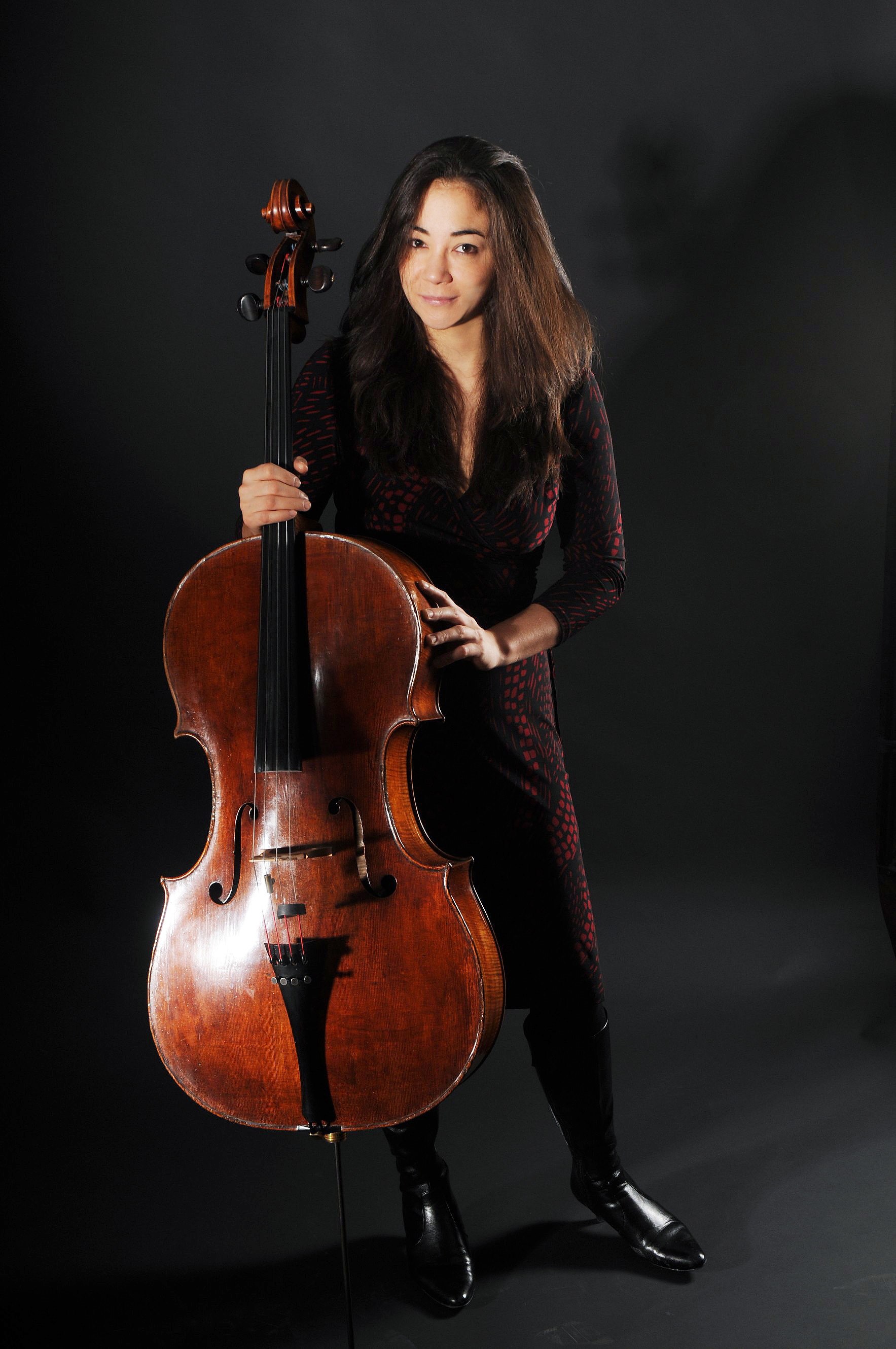
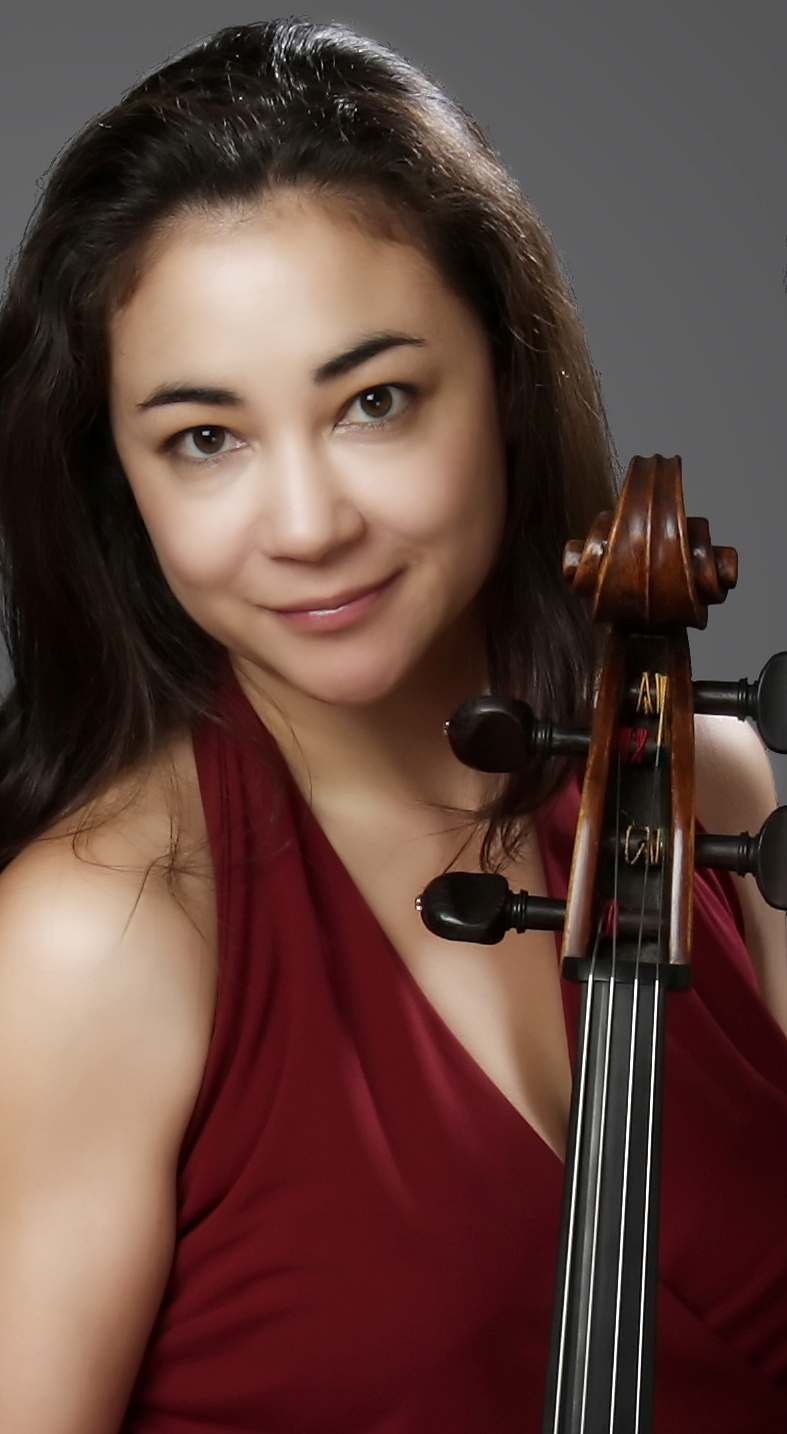

ALEX PANGMAN: My upcoming release is a pair of singles to honour the late great singer Connee Boswell. Boswell was part of the seminal sister singing act and cult favourite, the Boswell Sisters. She went on to record a solo career, selling millions. Connee was the inspiration for Ella Fitzgerald to sing at the Apollo when Ella was discovered! In short, Connee is one of the great fine jazz voices and influencers of the last 100 years. I was lucky enough to meet a grand-niece of hers, who gifted to me a beautiful set of the singer’s stage gloves, and some hand written sheet music of an original Connee Boswell composition which had never before been recorded. I am delighted to say that is no longer the case! With violinist Drew Jurecka, and guitarist Nathan Hiltz I have now sung this song into a microphone, recorded for posterity. It was recorded in one room with no baffles, in much the same way that Connie would have recorded. The song, entitled, “If I Don’t Mean It” will be released on December 3rd, Connee’s birthday! A second song from her solo career catalogue will follow in the new year.

JS: What kind of audience will this project interest? What new audience are you also seeking? Why to both questions?

AP: Certainly, jazz geeks and vocal music fans! Completists, sentimentalists, and acoustic music fans.

JS: In what ways was/is this project easy to do and in what ways was/is it difficult to realize? How long did it take or is it taking and why that long?

AP: It took me over a year to pluck up the nerve to record this song: I wanted it to be just perfect. As such, I probably did more takes of this tune than any other in my recorded history because I just wanted the greatest take to honour the great lady! (This is also complicated by doing the session in an un-separated room so we needed it all in one take.) What was different is that usually I’m rehearsing and arranging a song I’ve heard on recording. Apart from the odd original I’ve written, I’ve never before taken a song from scratch and worked it up. It was fun to massage the tune in the studio and literally hear this song coming to life as we played.

JS: How are you planning to promote, market, and sell this project to the public?

AP: This will be a digital only release, so look for ways to purchase it digitally through Justin Time Records and their publicity dept. Word has it that exclusive in studio video footage survives from our summertime session as a compliment to the release.

JS: Please give us a brief autobiography, some stuff about yourself, that is relevant to this project.

AP: I’m a melodic singer of jazz from the 20s 30s and 40s. Pre bop. I don’t scat unless I forget the words. This is why Connie’s elegant delivery appeals to me. I’m so delighted to carry the torch and record her in the digital age for the next generation to hear.

JS: What’s next in your creative life?

AP: Every Friday this month at the Rex Hotel 4-6pm with the Hogtown Syncopaters! We’ll actually be doing a version of the Boswell Sisters’ Heebie Jeebies all month in three-part vocal harmony.

Posted in Uncategorized | Tagged , , | Leave a comment

GIULIA MILLANTA – WHAT’S NEXT? …MULTI-LANGUAGE SINGER-SONGWRITER-GUITARIST ABOUT TO TOUR EUROPE AND NORTH EAST UNITED STATES, WORKING ON A NEW RECORD TO BE RELEASED IN 2020, AND STILL TOURING BEHIND 6TH RECORD RELEASED IN JUNE OF 2018.

JAMES STRECKER: Please tell us what you want the public to know about your recent completed project or the one you are actively working on. What is it, why is it, and how was/is it done?
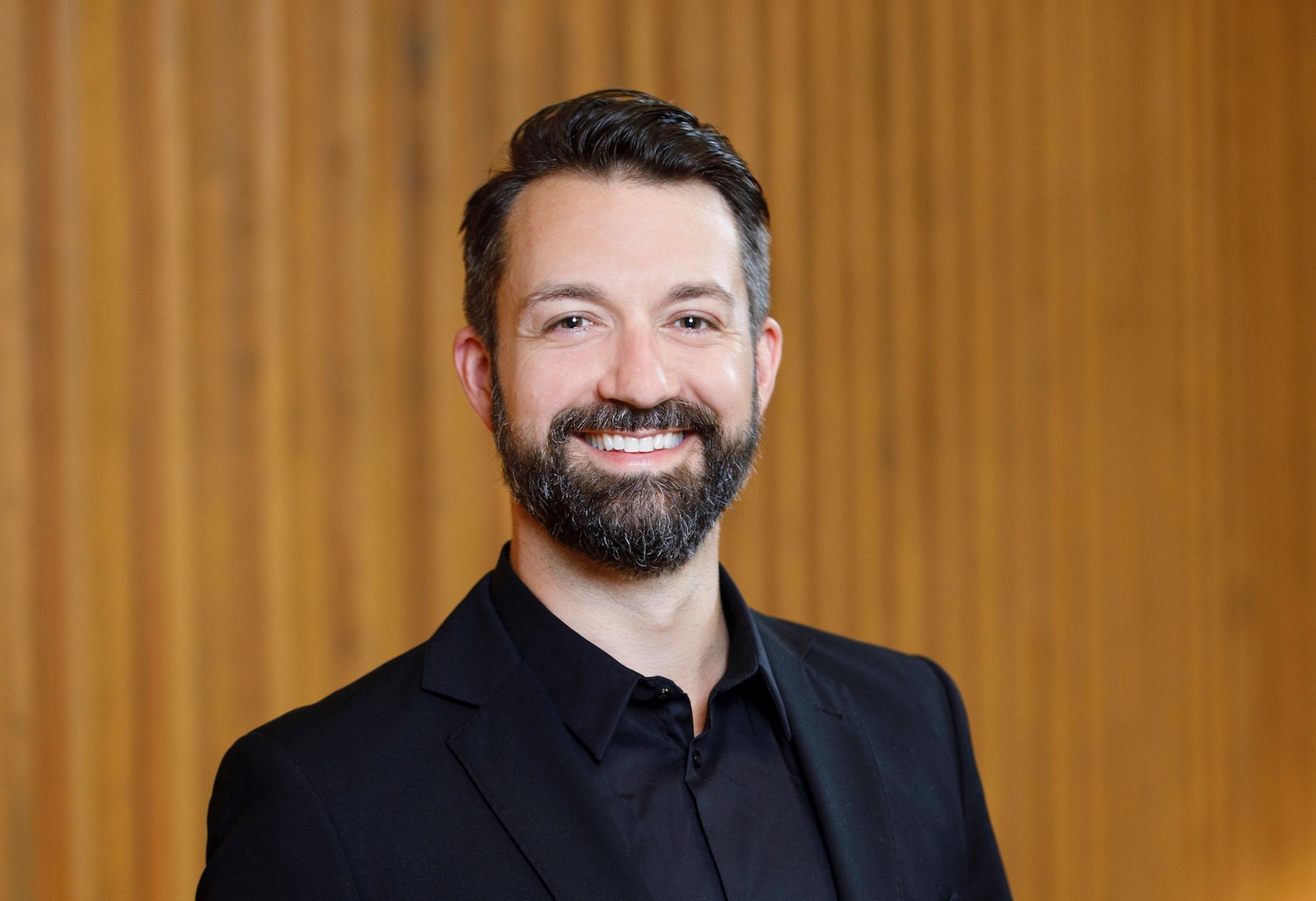
GIULIA MILLANTA: My 6th record was released in June of 2018 and I’m still touring behind it…but of course, artists can never stay still for too long. I am always writing songs!
I am working on a new record to be released sometime in 2020 and decided to release 4 singles in 2019. I just released #3, “Quiet Fight”.

“In a dream” came out in May, then “Woke up dreaming”, “Quiet Fight” at the end of August and “Not a love song” on October 4th.

JS: What kind of audience will this project interest? What new audience are you also seeking? Why to both questions?

GM: My music usually interests a well-educated, worldly, open minded audience. That is because my music is not mainstream and you really need to put attention to the lyrics and the nuances in order to really get it. Also, because I sing in different languages. You need to be somewhat of a curious person to fall in love with it.

I am seeking the same audience … I would like to reach more of a younger crowd, because I would like to connect with that demographic but I honestly think it’s a hard task, since they are mostly into rap.

JS: In what ways was/is this project easy to do and in what ways was/is it difficult to realize? How long did it take and why that long?

GM: Recording is always easy and fun for me…I always look forward to being in the studio and getting immersed in the creative process…. what is hard is getting payed by Spotify! LOL

JS: How are you planning to promote, market, and sell this project to the public?

GM: I reach my people through my social pages and email list. Concerts and tours are always the best way to connect.
I am about to tour in Europe and then back in US in the North East (dates on my website)

JS: Please give us a brief autobiography, some stuff about yourself, that is relevant to this project.

GM: I dream a lot and that part of my life informs my songs. I enjoy exploring topics like relationships (never ending source of material!!), travels, cultural differences…

JS: What’s next in your creative life?

GM: As I said, to release a record in 2020 and maybe a booklet too. Stay tune

Posted in Uncategorized | Tagged | Leave a comment

STACIE DUNLOP – WHAT’S NEXT? SOPRANO’S WORK IN PROGRESS REIMAGINES VIVIER’S ICONIC LONELY CHILD FOR ENSEMBLE OF 8 PLAYERS, 2 CIRCUS ARTISTS AND HERSELF WEAVING STORY AND CHOREOGRAPHY BOTH ‘ON THE GROUND AND IN THE AIR,’ PLUS ON SEPTEMBER 21 WITH THE HAMILTON PHILHARMONIC SINGING ABBY RICHARDSON-SCHULTE AND THE SIBELIUS LUONNOTAR

JAMES STRECKER: Please tell us what you want the public to know about your recent completed projects or the ones you are actively working on. What is each one, why is it, and how was/is it done?
STACIE DUNLOP: This has been an interesting time for me as I have been collaborating with two incredible contemporary circus artists, Angola Murdoch and Holly Treddenick, on the second of two projects we have created together. The first one (in 2016) was a reimagining of John Cage’s “Aria”, a work we titled Ascension for a show called Balancing on the Edge. We are now reimagining Claude Vivier’s iconic work Lonely Child, which also includes a new arrangement of the piece (originally scored for orchestra to be reduced to an ensemble of 8 players) created by composer/arranger Scott Good. In this reimagining we have brought the Lonely Child to life by weaving story and choreography both on the ground and in the air. And, yes, I will be in the air, so have been training on silks since mid-2018. The first workshop stage of the project, which was supported by a creation grant from the Canada Council for the Arts, was completed in March 2019, and we are very fortunate to be supported again by the Canada Council for the Arts for a second stage workshop that will include 8 musicians. In the first stage we performed with recorded sound, so this next stage will involve musicians playing live and our intention is to integrate them into the narrative. We will embark on this next stage of creation in October 2019 through to April 2020.

JS: What kind of audience will this project interest? What new audience are you also seeking? Why? to both questions.

SD: When this project enters its next stage of development, after the second workshop stage, the scale will be much larger…a full show that we have just begun the conversation about what it will look like…but I can say that this show will be of interest to everyone: music lovers, especially of contemporary classical music, contemporary circus lovers, visual arts lovers and theatre lovers. There will be music, story and spectacle.

JS: In what ways was/is this project easy to do and in what ways was/is it difficult to realize? How long did/does it take to do and why that long?

SD: This has been a relatively easy project to realize because of the people involved in it, and so far, we have been very fortunate to have had the support of the Canada Council for the Arts for both workshop stages, which also gives a certain ease to bringing a project to life. We began talking about this project in November 2016, and it is still in development. We are not exactly certain when the full-scale project will come to life, but it I would expect it to happen in at least a few more years from now.

JS: How are you planning to promote, market, and sell this project to the public?

SD: As we are still in the workshop stage, this will not be shown to the public just yet. However, we will have a “test audience” showing at the end of the workshop. We are planning for that to happen mid-April 2020. We are currently looking for partners and already planning the next stage of the project, so stay tuned for further developments.

JS: Please give us a brief autobiography that is relevant to this project?

SD: Stacie Dunlop is a singer, producer, and multi-faceted creative being who is passionate about reimagining existing iconic works for voice and bringing them to life through the integration of theatre, story and contemporary circus. Her current project is centred around Claude Vivier’s Lonely Child, a work that was introduced to her by her mentor, composer/producer David Jaeger. This project marks her second collaboration with contemporary circus artists Angola Murdoch and Holly Treddenick. Their first project, Ascension, was in a similar vein, as they took “Aria” an iconic work by John Cage, and created a new version of the work that was choreographed on an aerial ladder and on the ground, weaving together theatre, story and contemporary circus as part of a program called Balancing on the Edge which took place at the Harbourfront Theatre in November 2016.

JS: What’s next in your creative life?

SD: At the moment I am preparing for my premiere with the Hamilton Philharmonic Orchestra. I will be performing on their opening concert on September 21st, and will be premiering a new work called The Mermaid and the Fisherman for soprano and trumpet soloists by Abby Richardson-Schulte (composer in residence with the HPO) with text by poet Phoebe Tsang. Principal trumpet of the HPO, Michael Fedyshyn, will be the trumpet soloist and Gemma New will be conducting this piece along with the Sibelius Luonnotar, which I will also be performing on the program. It’s going to be one heck of a concert, that’s for sure!

Posted in Uncategorized | Tagged , , , , , | Leave a comment